
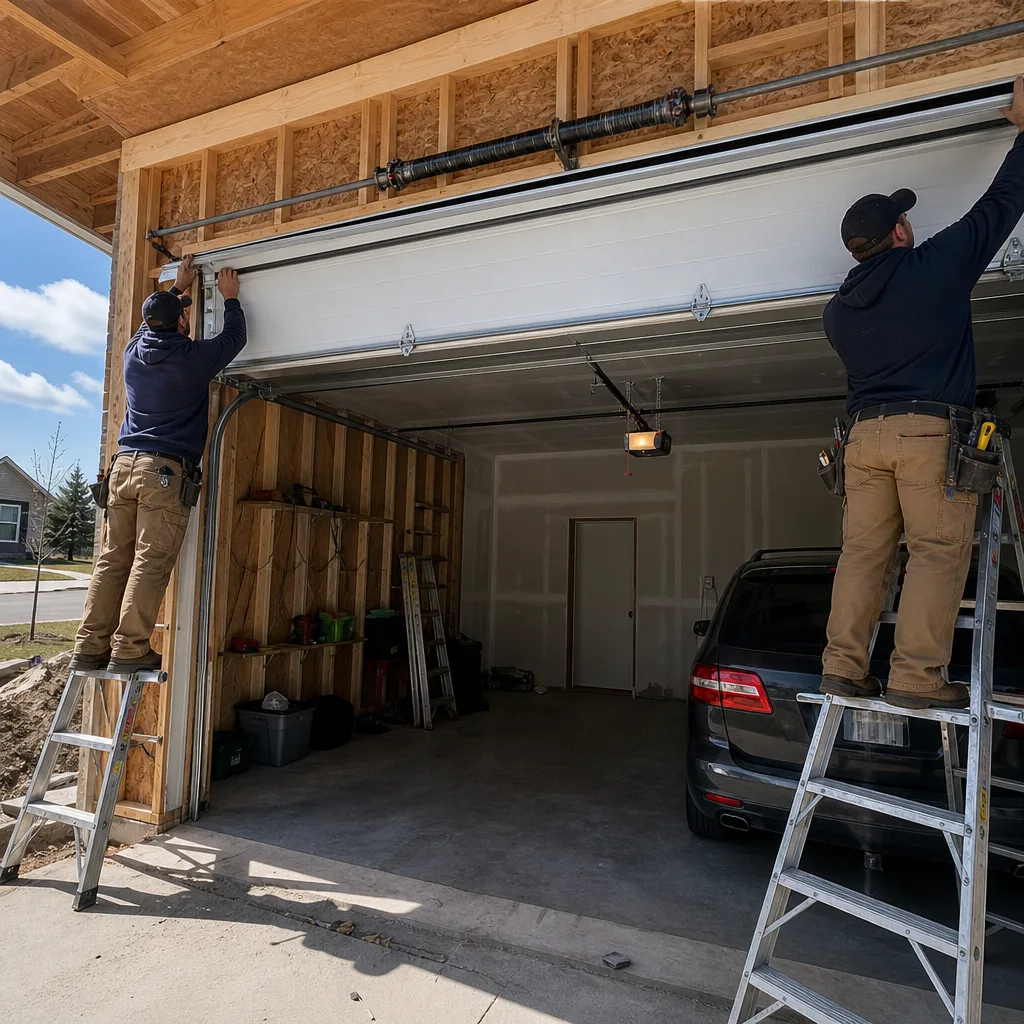
Last updated November 22, 2026
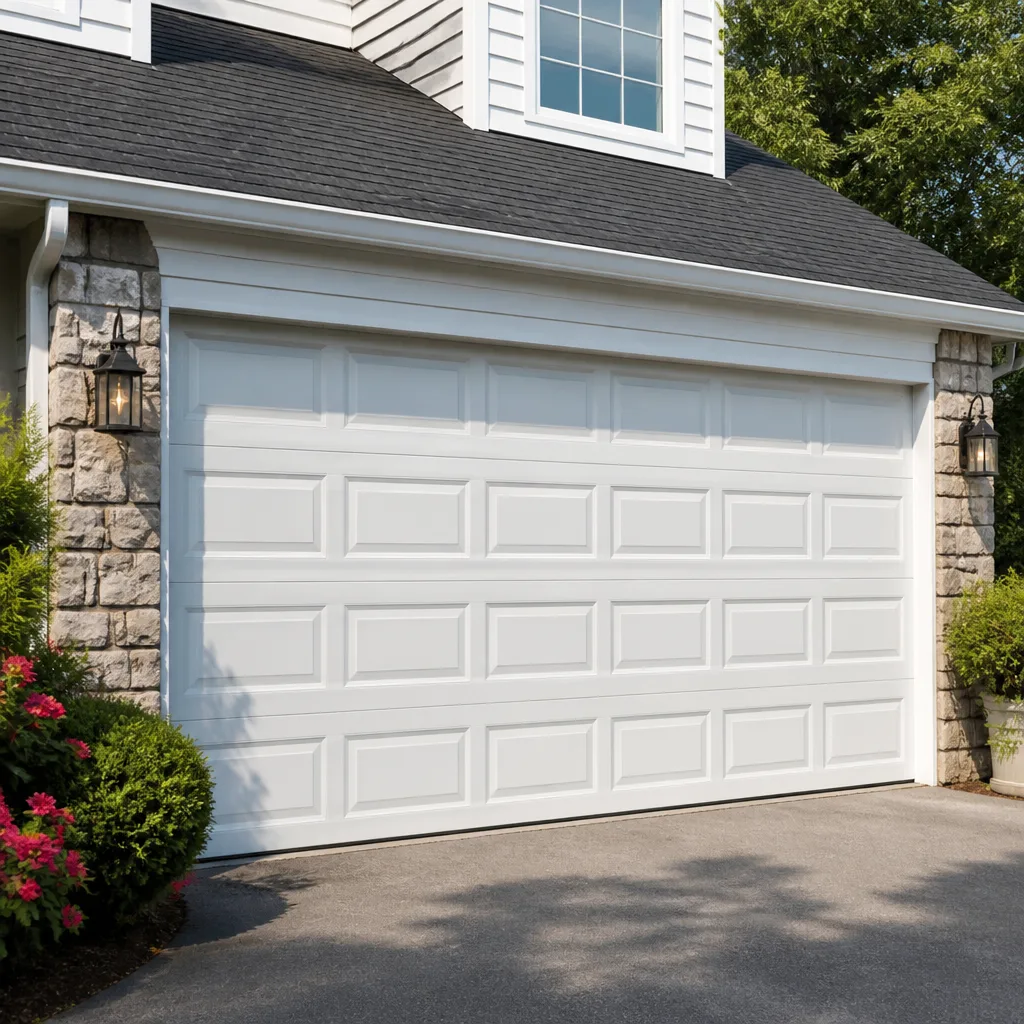 Raised-panel steel
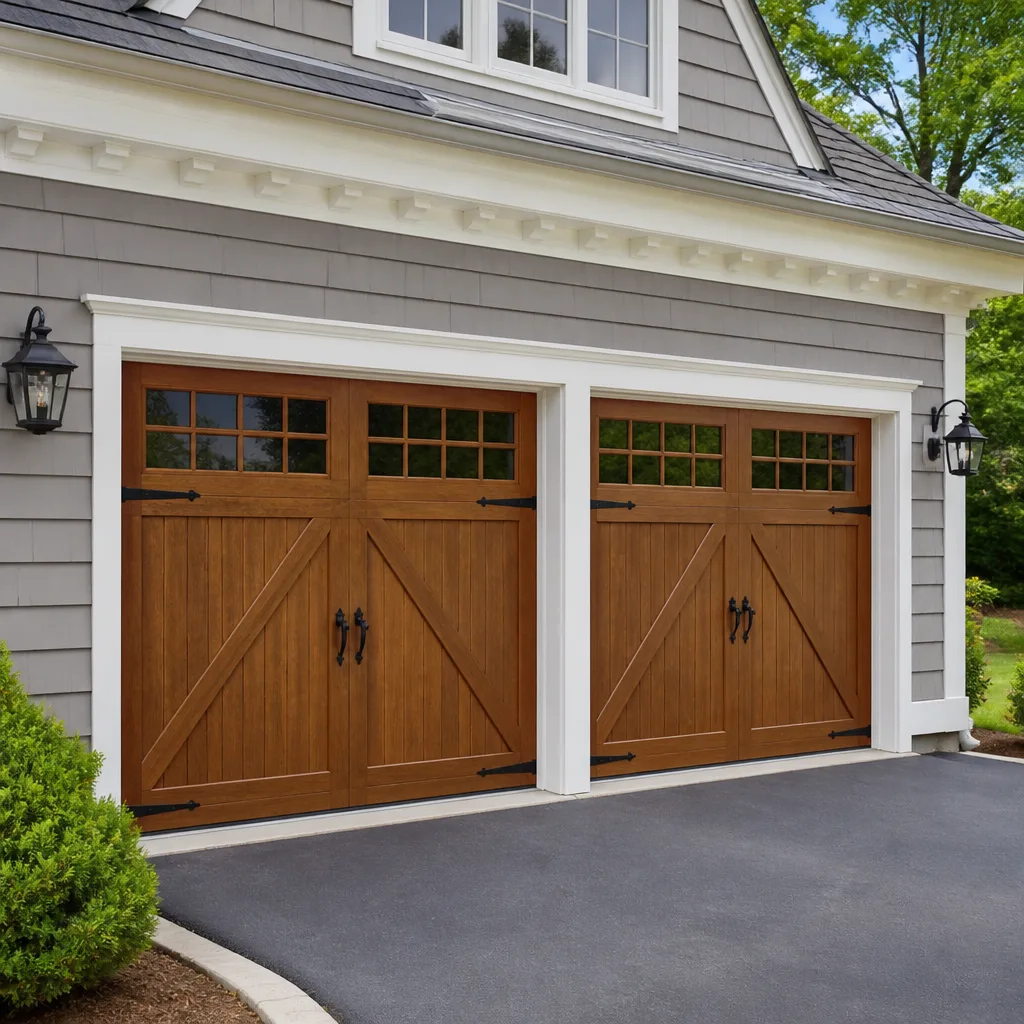 Carriage house
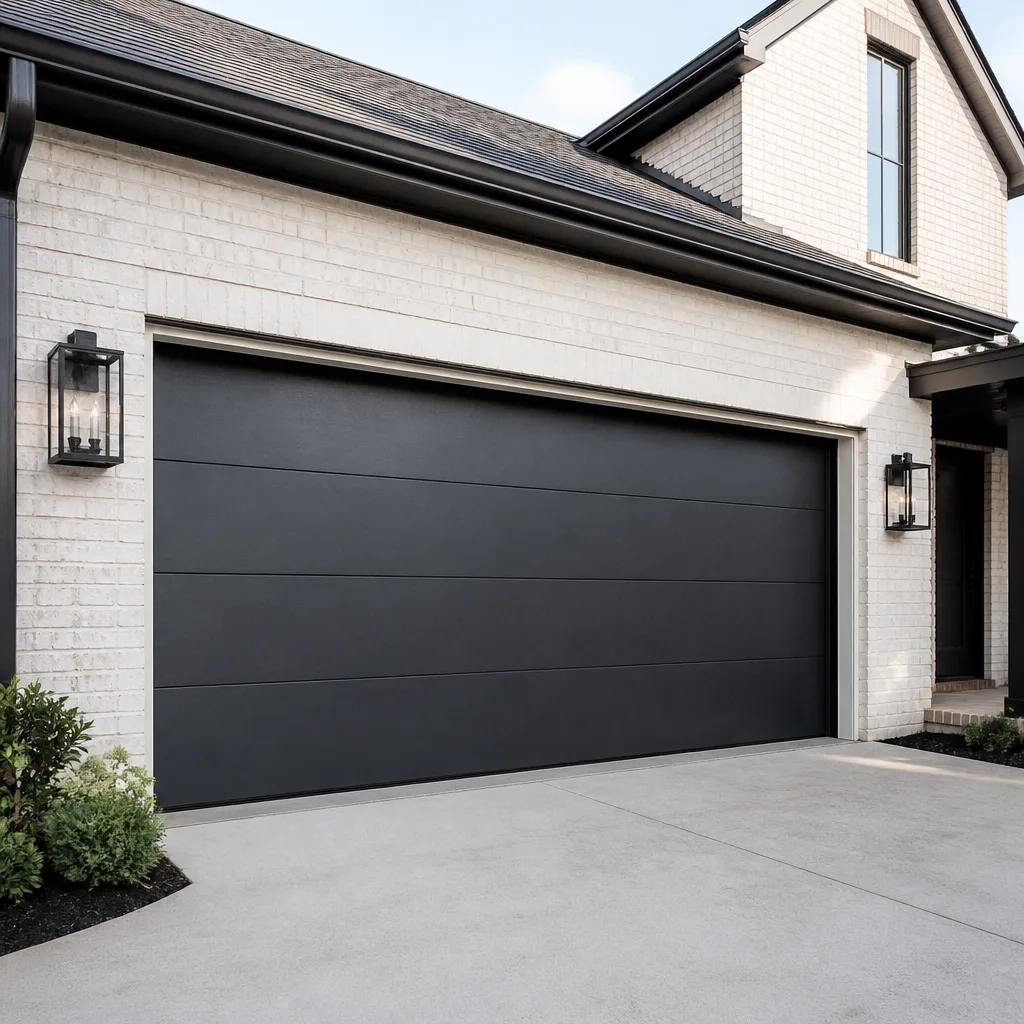 Modern flush
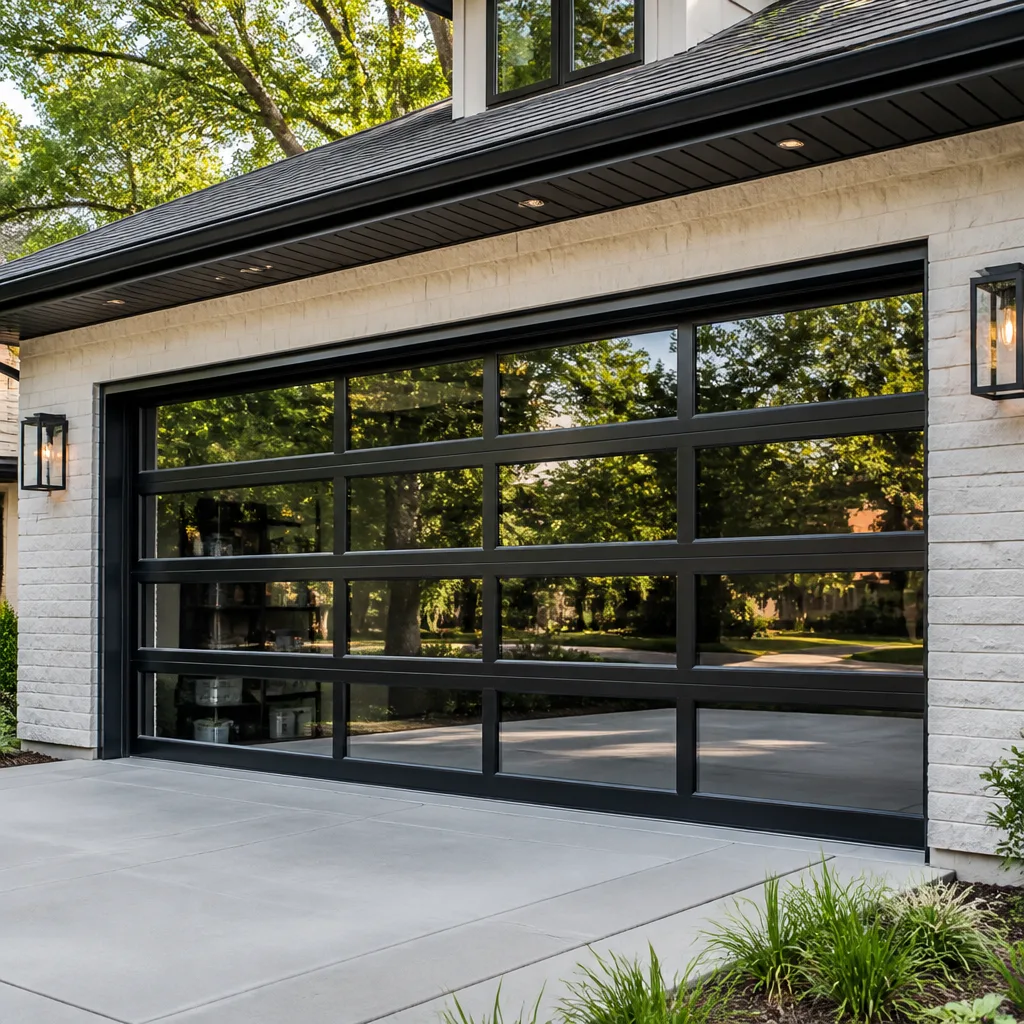 Full-view glass
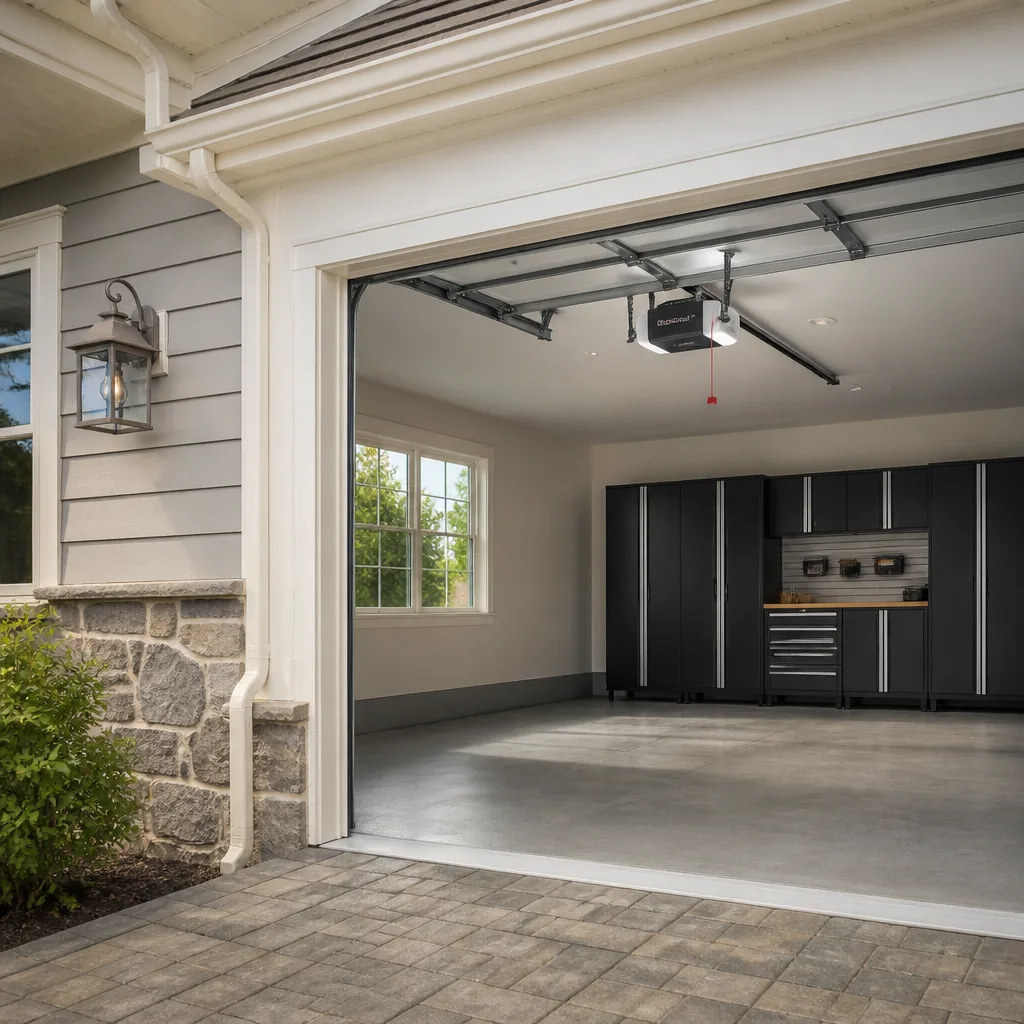 LiftMaster openers
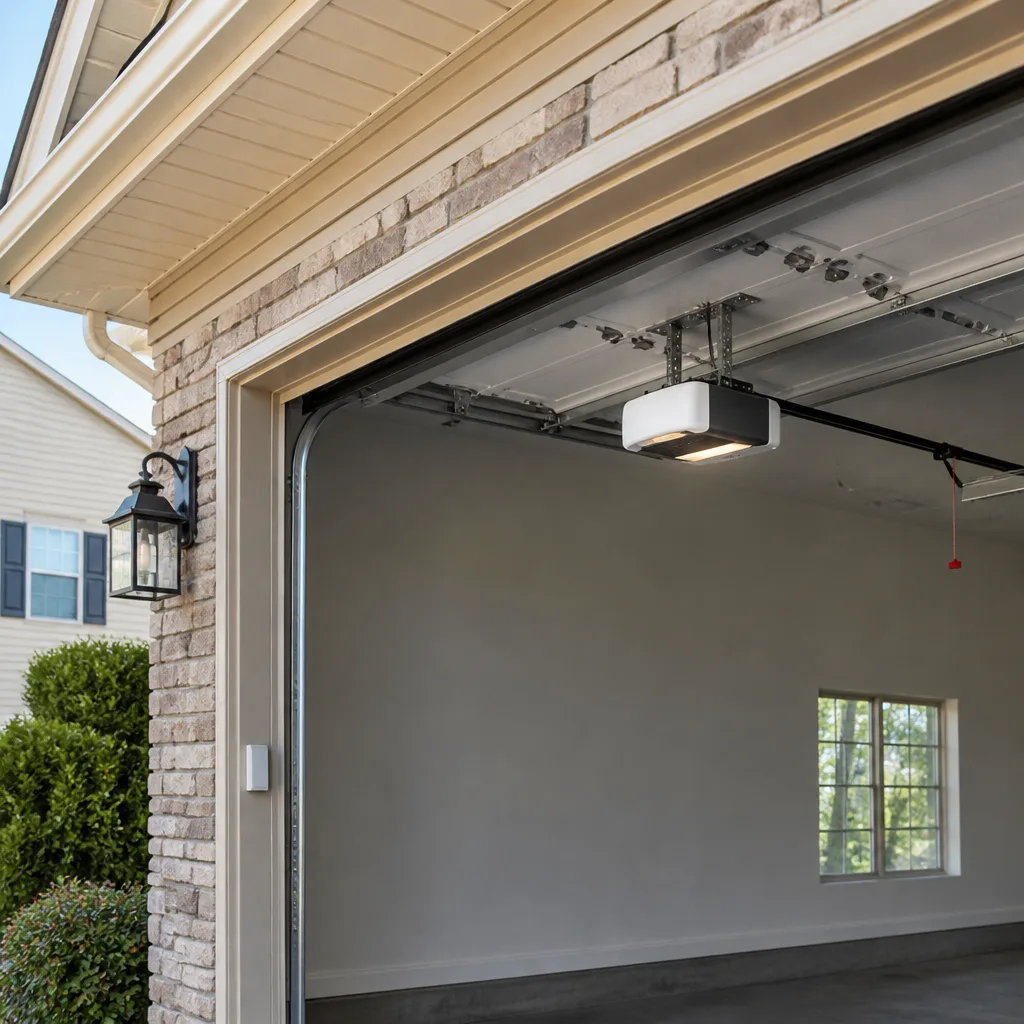 Chamberlain openers
Full 25-point door and opener safety check with every visit - springs, cables, rollers, tracks, and your LiftMaster or Chamberlain opener included
You get a price before we start. It does not change when the pro arrives.
Get your free estimateGarage Door Emergency Preparedness Guide for Apple Valley Homes
A broken spring doesn’t make your garage insecure. A broken cable does. From inside the garage those two failures can look nearly identical: the door sags, the opener strains, nothing moves the way it should. But one leaves your home exposed and the other mostly leaves it stuck, and each calls for a completely different response in the first hour. Getting that distinction right is what emergency preparedness actually means for an Apple Valley garage door. Most homeowners have a phone number saved and not much else. This guide fills in the rest. You’ll learn how to classify a failure as a real emergency or a morning problem, how to release a door when the cord is frozen solid, how to secure a door that won’t close without wrecking it further, and what to have ready before you call anyone in Apple Valley.
Quick Answer
A garage door emergency in Apple Valley is any failure that leaves your home open to the elements or your car trapped: a door stuck open, a door that won’t seat fully and leaves a security gap, or a door off its track while a vehicle sits under it. A broken spring on a closed, secure door usually waits for morning unless the door is now stuck open. When in doubt, secure the opening, keep people clear of the door, and call a professional rather than forcing it.
Styles & brands we work with
- Raised-panel steel
- Carriage house
- Modern flush
- Full-view glass
- LiftMaster openers
- Chamberlain openers
Table of Contents
- How Do You Classify a Garage Door Emergency?
- How Do You Manually Release a Garage Door Opener?
- What if the Red Release Cord Is Frozen or Stuck?
- How Do You Secure a Door That Won’t Fully Close?
- Winter Emergencies: Frozen Seal, Frozen Track, or Broken Spring?
- What Happens When You Call for Emergency Service?
- Why Spring Failures Are Never a DIY Job
- How Do You Prepare Before Anything Breaks?
How Do You Classify a Garage Door Emergency?
An emergency is any garage door failure that leaves your Apple Valley home unsecured or your vehicle trapped. Everything else can wait until the next dispatch window. That’s the whole test, and it’s simpler than most homeowners expect. The confusion usually comes from how dramatic a failure looks. A snapped spring sounds like a gunshot and the door drops hard, but if it settles closed and latches, the house is still sealed. Meanwhile a quiet cable failure that lets one corner of the door hang two inches off the floor is a genuine security problem that a lot of people shrug off until morning.
Here’s how we sort urgent from non-urgent in our experience:
- Genuine emergency: door stuck fully open, door not seated against the floor leaving a visible gap, door off track with a vehicle underneath, or a door hanging unevenly with a vehicle trapped inside.
- Usually wait until the next window: a broken spring on a securely closed door, an opener that won’t respond but the door is shut, a remote or keypad that stopped working, a door that reverses on its own but still closes fully.
- Judgment call: a door that closes but doesn’t seal tight, or one that makes a new and loud noise but still operates. If you can see daylight under it, treat it as security and don’t leave it overnight.
A door stuck open in winter is its own category. Minnesota cold will find every gap in a home, and an open garage door pulls heat out of the rooms above and beside it fast. If the door is open and won’t move, that’s an emergency in Apple Valley regardless of the hour. If it’s closed and stable, you have time to get it diagnosed properly.
How Do You Manually Release a Garage Door Opener?
Every residential opener has a manual release, and it works the same way in principle no matter the brand. The red cord or handle hanging from the trolley disconnects the door from the opener so you can move it by hand. The trick isn’t pulling the cord. It’s doing it safely, because once the door is disconnected it becomes a heavy object with nothing holding it up but you and the springs.
Here’s the procedure that the majority of openers installed in Apple Valley homes follow, including LiftMaster and Chamberlain units, which make up most of what we see:
- Close the door first if you can. A disconnected door is safest when it’s down. Never pull the release with the door partway up unless you’re certain of what it will do.
- Stand clear and off to the side. Do not stand under the door or directly in its path. If the springs are compromised, the door can drop.
- Pull the red handle straight down and toward the door. You’ll feel the trolley let go. On Craftsman and older Genie openers the release can be stiff, so a firm, steady pull works better than a yank.
- Lift the door slowly by hand. If it feels extremely heavy or won’t stay up on its own, stop. That tells you the springs or cables have failed, and the door should stay down.
- Reconnect carefully. With the door fully closed, pull the release cord again to re-engage, or run the opener once to re-latch the trolley.
A door that won’t stay up by hand after release is telling you something important. Don’t prop it, don’t force it, and don’t try to help it along with a shoulder. That’s the point to call a pro and let a trained technician diagnose what’s holding it.
What if the Red Release Cord Is Frozen or Stuck?
A frozen manual release is common in Apple Valley once the temperature drops and stays down. Moisture gets into the trolley assembly or the cord itself and locks it up. The cord feels like a solid rod, or the handle won’t budge no matter how hard you pull. Don’t force it with tools. Yanking a frozen release with pliers or a pry bar is how a door gets dropped on someone or a trolley gets bent out of alignment.
What actually works, in order of least risk:
- Warm the trolley area gently. A hand-held hair dryer aimed at the trolley and the top of the cord for a few minutes will often free it. Never use a heat gun, torch, or open flame near the door, springs, or opener.
- Work the cord, don’t yank it. Once it starts to give, gentle back-and-forth motion frees the mechanism better than a hard pull.
- Check the handle itself. Sometimes the cord is fine and the plastic handle has cracked or iced into its housing. Free the handle first.
- If the door is closed and secure, stop. You don’t need a manual release to be functional if the door is down and the home is sealed. Book a technician to free it and check for water intrusion that caused the freeze.
If the door is stuck open and the release won’t move, that’s the case to call for emergency service. We answer 24/7, and a technician can free the trolley and get the door closed without damaging the opener. Leave the door alone in the meantime and keep kids and pets away from it.
How Do You Secure a Door That Won’t Fully Close?
A door that won’t seat creates a real security gap, and the wrong fix can cause more damage than the original problem. When a door stops a few inches short, the temptation is to push it down by hand, wedge something under it, or back the car up to it. All three can bend panels, twist the track, or strip the opener’s drive. The goal before a technician arrives is to close the opening as much as you safely can without forcing the door past where it wants to go.
Approaches that work without adding damage:
- Clear the obstruction first. Run your hand along the floor and check the photo-eye sensors at the bottom corners. A small object, a sagging seal, or a misaligned sensor is behind a surprising number of doors that won’t close. Wipe the sensor lenses and straighten them if they’ve been bumped.
- Try the wall control, not just the remote. If the wall button closes it but the remote doesn’t, the problem is the remote or receiver, and the door is actually fine.
- Use the manual release to lower it by hand only if the door is balanced enough to move slowly and you can guide it down evenly. If it drops or fights you, stop.
- Brace the opening from inside, not the door. A piece of lumber laid across the interior floor against the bottom of the door, or a heavy object set against it low, holds the door from being pushed in. Never brace against a panel from the outside where weight can bend it.
What not to do: don’t wedge anything between the door and the track, don’t shove the door down with your body weight, and don’t disconnect the opener and leave the door hanging open. A door left mid-travel on a failed spring is a falling hazard. If you can’t get it down safely, call for emergency service and we’ll get it seated and the home secured.
Winter Emergencies: Frozen Seal, Frozen Track, or Broken Spring?
Minnesota cold breaks garage doors in three distinct ways, and telling them apart tells you what you can handle and what needs a technician. The symptoms overlap, so this is where a lot of Apple Valley homeowners chase the wrong problem. In our experience, most winter “my door won’t open” calls come down to one of these three, and only one of them is something you can usually address yourself.
- Frozen bottom seal: the door lifts an inch or two and stops, or the motor strains and reverses. The door itself is mechanically sound; the rubber seal has frozen to the concrete. You can often free this yourself by gently working a plastic scraper or warm water along the seal line, never a metal tool that gouges the rubber or the floor.
- Frozen track: the door moves but binds or grinds on one side, or the opener struggles and the door rocks unevenly. Ice has built up in the track or the rollers have frozen. Don’t run the opener repeatedly against it. Clear visible ice from the track carefully and, if it persists, call a pro to check alignment.
- Spring failure: the door feels extremely heavy, the opener won’t lift it at all, or you hear the snap. Cold makes steel springs brittle, and failures spike in winter. This is not a DIY job, and the door should stay down until a technician replaces the spring.
One more winter pattern worth knowing: a door that opens fine but won’t close because the safety sensors are fogged or iced over. That’s the easiest of the three to fix, and it’s the first thing to check when the door reverses on its own in cold weather.
What Happens When You Call for Emergency Service?
The information you have ready when you call determines how fast we can get you a working door, because it’s what tells us which parts to bring and which technician to send. A trained technician arriving with the right spring or the right opener part fixes it in one visit. A tech who has to guess makes two trips and your door stays broken in between. That’s why we ask a short set of questions up front.
Have these ready if you can, and don’t worry if you can’t answer all of them:
- Opener brand and model. LiftMaster, Chamberlain, and Craftsman cover much of what’s installed in Apple Valley, but a Raynor system or an older unit changes the diagnostic approach. The brand is usually on the opener housing or the wall control.
- Door type and rough weight. A single-car door and a double-car door need different springs and different tools. If you know whether it’s steel, wood, or composite, that helps too.
- Spring type and location. Torsion springs run on a bar above the door; extension springs run along the sides. Knowing which you have matters because the repair is completely different.
- What the door is doing right now. Stuck open? Won’t seat? Off track? Won’t move at all? Describe it plainly. “It opens a foot and stops” is more useful than “it’s broken.”
- Whether a vehicle is trapped or the home is exposed. This is the urgency question, and it decides how we prioritize the call.
We answer 24/7, with fast dispatch from 7am to 7pm, Sunday through Friday. A call outside dispatch hours is booked into the next opening, Sunday through Friday, 7am to 7pm. If your door is stuck open or your car is trapped, say so on the call so it’s handled as the emergency it is.
Why Spring Failures Are Never a DIY Job
Garage door springs are the most dangerous component in the entire system, and a failed one is the repair we most often see homeowners attempt without the tools to do it safely. A torsion spring is under extreme tension even at rest. Releasing that tension without the right winding bars and the training to control it can cause serious injury in an instant. This is not a warning to be cautious; it’s a warning that the job genuinely shouldn’t be done by hand. That’s why we treat garage door spring repair as a specialized service handled only by trained technicians.
What a correct spring repair involves:
- Identifying the exact spring. Springs are matched to door weight. The wrong spring puts the wrong load on the opener and cables and fails early.
- Controlled tension release and winding. This requires proper winding bars, a stable ladder, and the technique to keep the spring under control throughout.
- Checking the whole system. A spring failure often strains cables, rollers, and the opener in the process. A technician who only swaps the spring can miss collateral damage.
Cables are the second component to leave alone. A snapped cable can whip with serious force and is what actually leaves many doors hanging unevenly or off-seated. If you see a broken cable, keep everyone clear and keep the door down. Our technicians have up to 15 years of experience diagnosing exactly these failures, and we’d rather do that than see a homeowner hurt in the driveway. If the door is secure and the vehicle isn’t trapped, a spring failure can usually wait for the next dispatch window. Book it as soon as you can, since a heavy door run by an opener against a dead spring will wear out the opener too.
How Do You Prepare Before Anything Breaks?
Preparedness in Apple Valley comes down to a few things you can do on a normal day so a bad night doesn’t catch you flat. You don’t need a toolbox full of parts. You need to know your door, know what’s normal for it, and have a plan that doesn’t involve forcing anything. A garage door is a heavy moving system, and the homeowner who understands it handles a failure far better than the one who doesn’t.
Do these on a calm afternoon:
- Write down your opener brand and model. Note your door size and whether it’s single or double. Keep it somewhere you can find it fast, like a note on your phone.
- Find the manual release now. Locate the red cord and confirm it pulls freely while the weather is warm. Fixing a frozen release is easy before it freezes; much harder after.
- Test the safety sensors. With the door open, wave an object across the sensor line and confirm the door reverses. Clean the lenses.
- Listen to the door. Grinding, popping, or a sudden strain are early warning signs. A door that’s getting harder to lift by hand is telling you a spring is weakening, before it fails.
- Clear the track of debris and keep the area around the sensors unobstructed. These small habits prevent more emergency calls than any single repair.
- Save a service number. When the door fails at the wrong moment, the last thing you want to be doing is searching for a number. Keep garage door repair service reachable and know who you’ll call.
If your opener is smart or newer, check that its wall control and app both work. Opener failures on modern systems often trace to the control or the receiver, and a quick check now saves a confusing call later. Our garage door opener repair service covers LiftMaster, Chamberlain, Genie, and the other units common in Apple Valley homes, so we can diagnose most of what fails on a normal day before it turns into a frantic one.
Common Mistakes to Avoid
- Treating every failure as an emergency. A broken spring on a closed, secure door in Apple Valley will usually wait until the next dispatch window. Running to call for every noise eats up your time and doesn’t get the door fixed any faster, so sort security and trapped vehicles from everything else first.
- Forcing a door past where it stops. Pushing, shoving, or backing a car against a door that won’t seat bends panels and twists track, turning a small repair into a bigger one. If it won’t go, leave it and call.
- Pulling the manual release with the door up. A disconnected door has nothing holding it but gravity and you. Release it with the door down unless you’re certain of the balance.
- Yanking a frozen release with tools. Pliers and pry bars on a frozen trolley bend the mechanism and risk dropping the door. Warm it gently or call.
- Trying to fix a spring or cable yourself. People get seriously hurt doing exactly this. Springs and cables are under load strong enough to injure, and there are no shortcuts.
- Letting an opener run against a broken spring or a frozen seal. In Apple Valley’s winters, repeatedly forcing the opener against a door that won’t move burns out the opener on top of the original problem.
- Ignoring a door that won’t seal. A gap under the door is a security issue that doesn’t resolve itself and can let cold air and moisture into the home all winter. Get it seated and sealed.
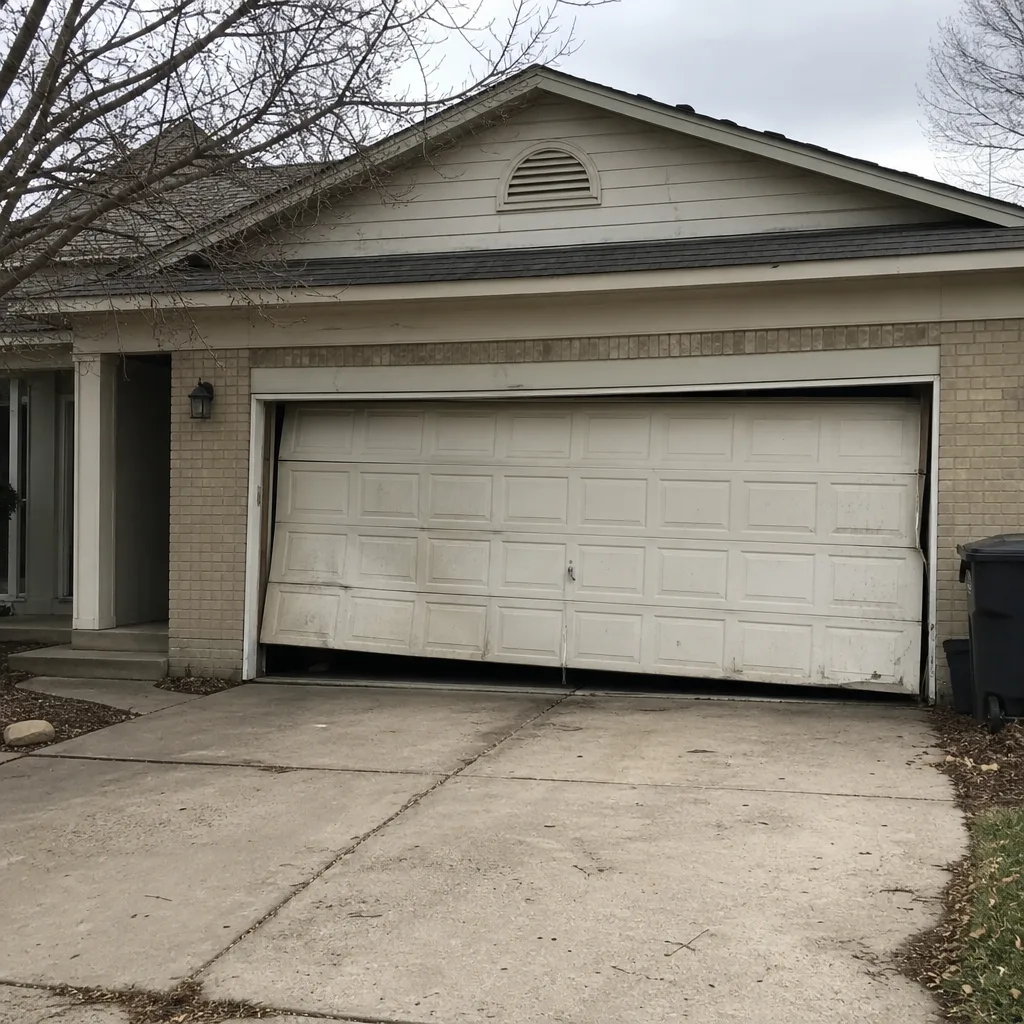
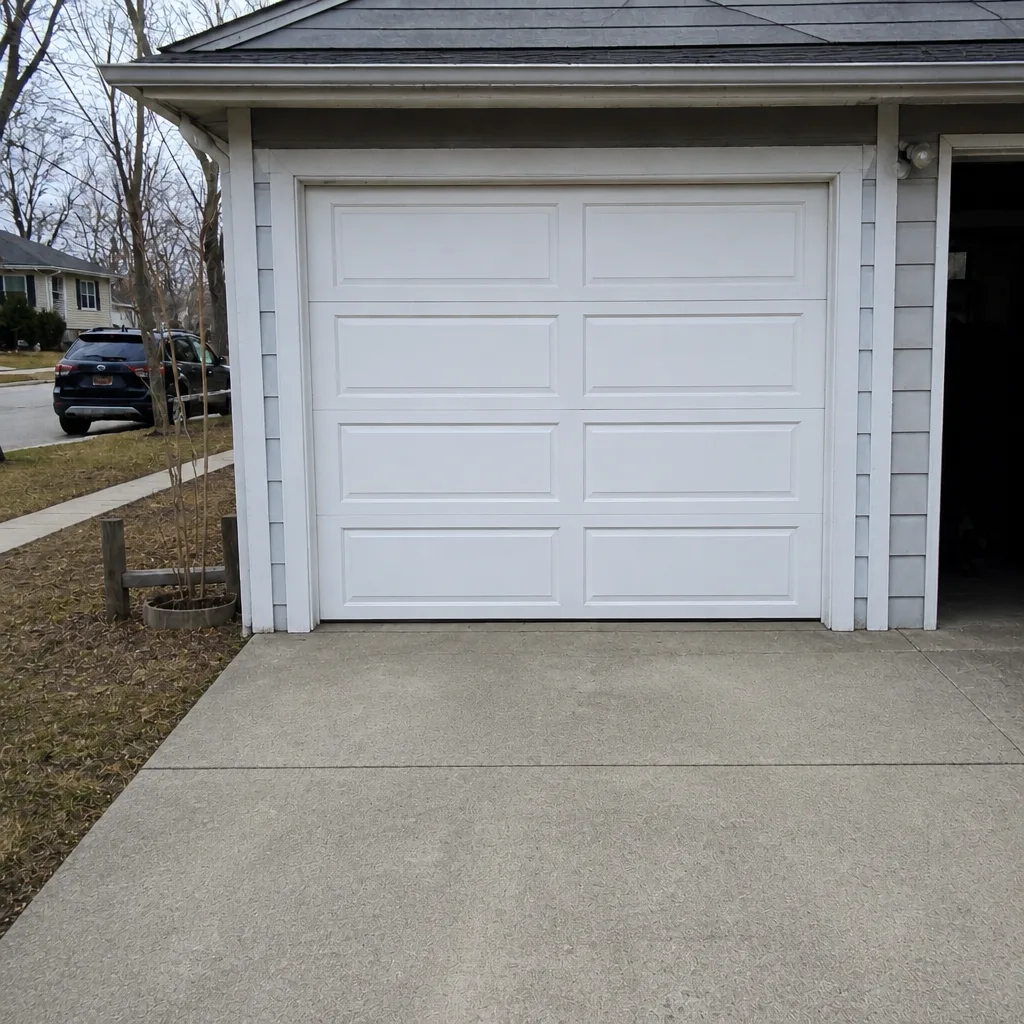
See the difference
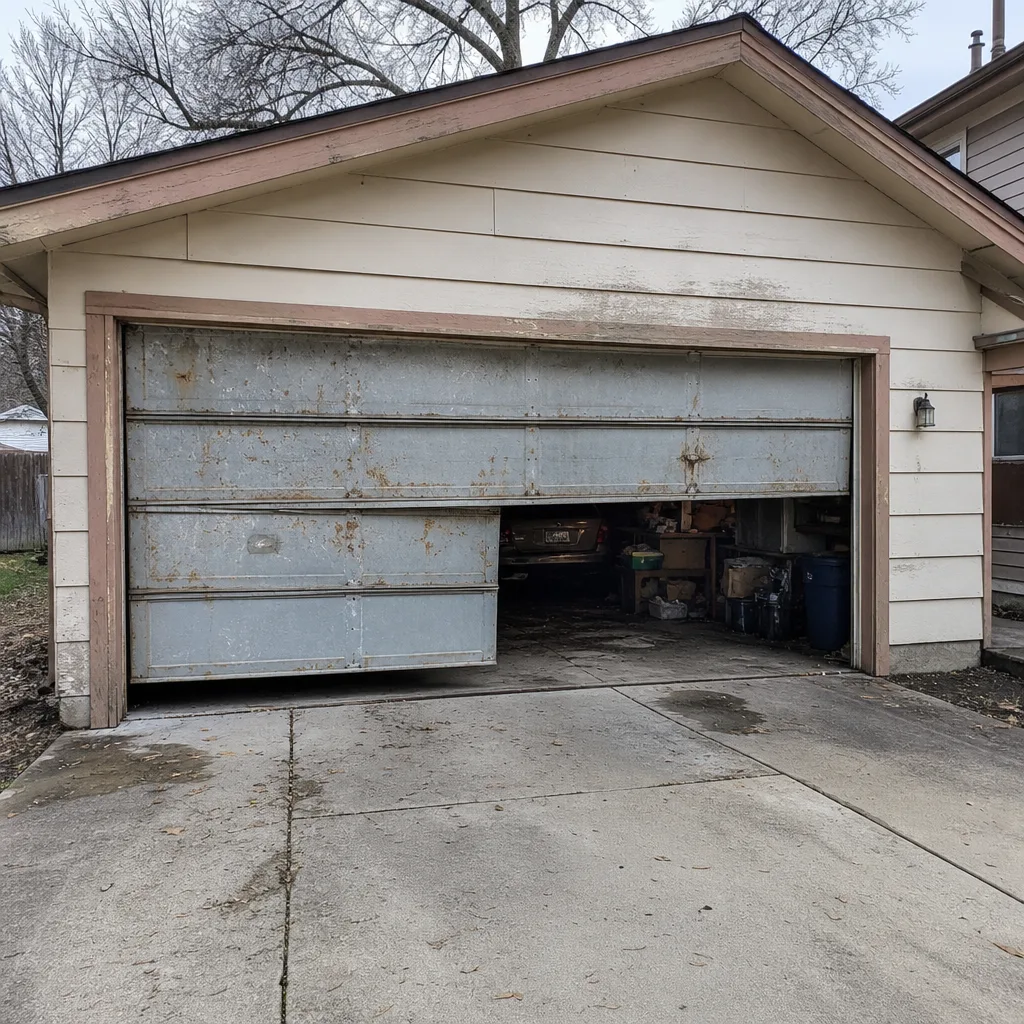 Before
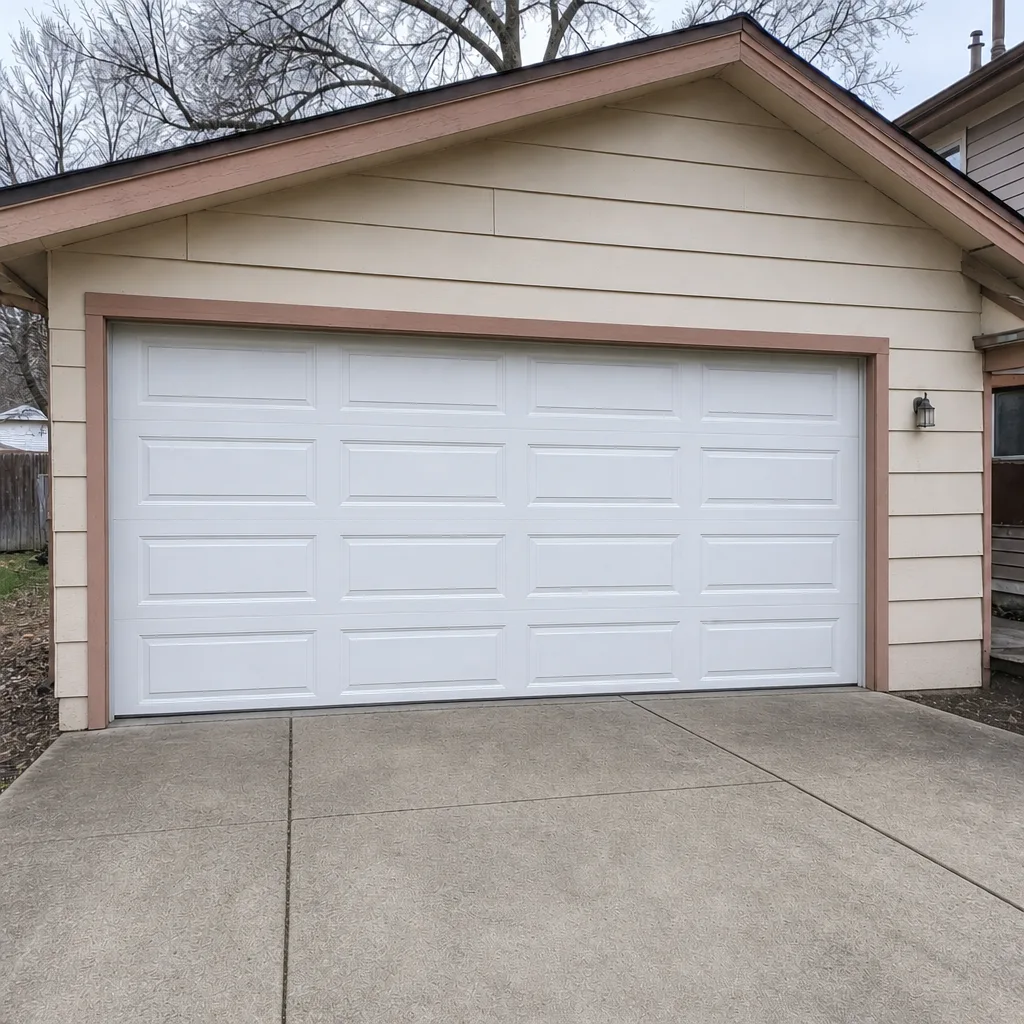 After
 Before
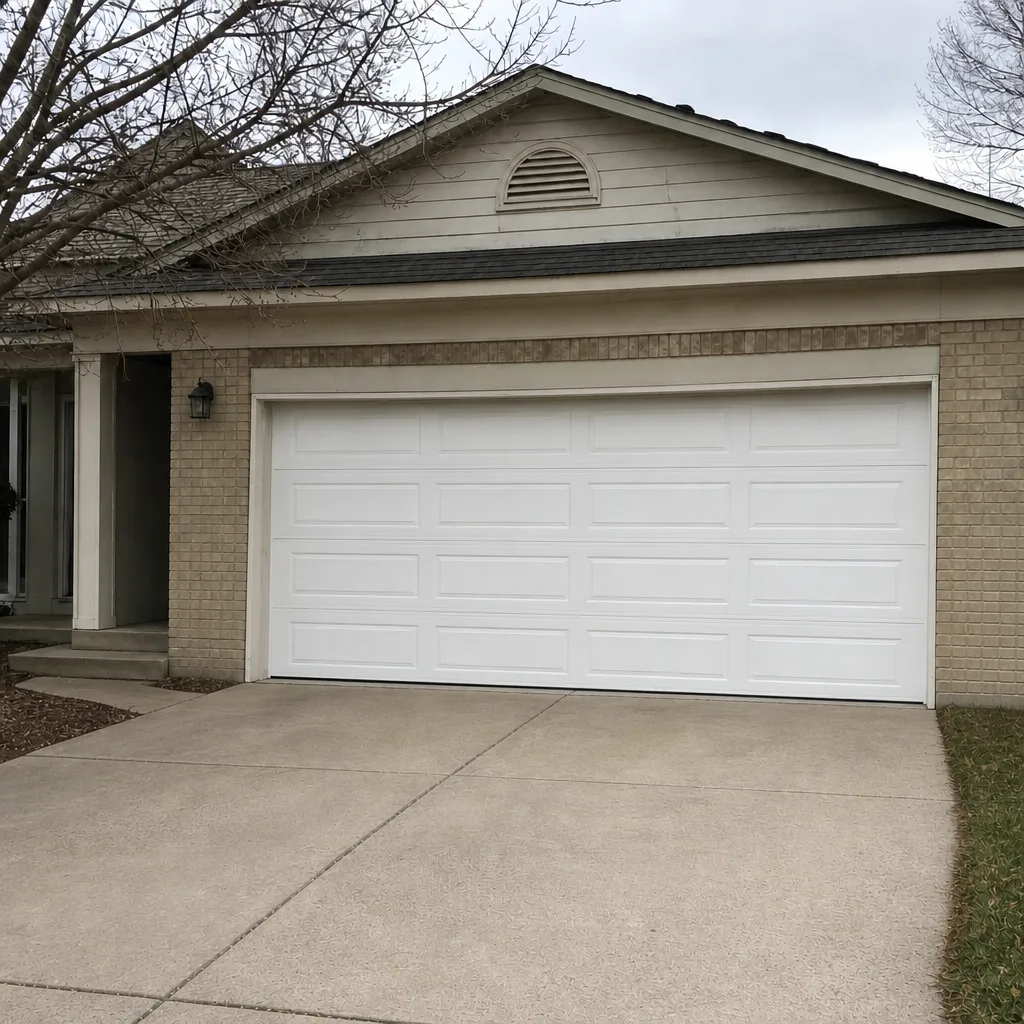 After
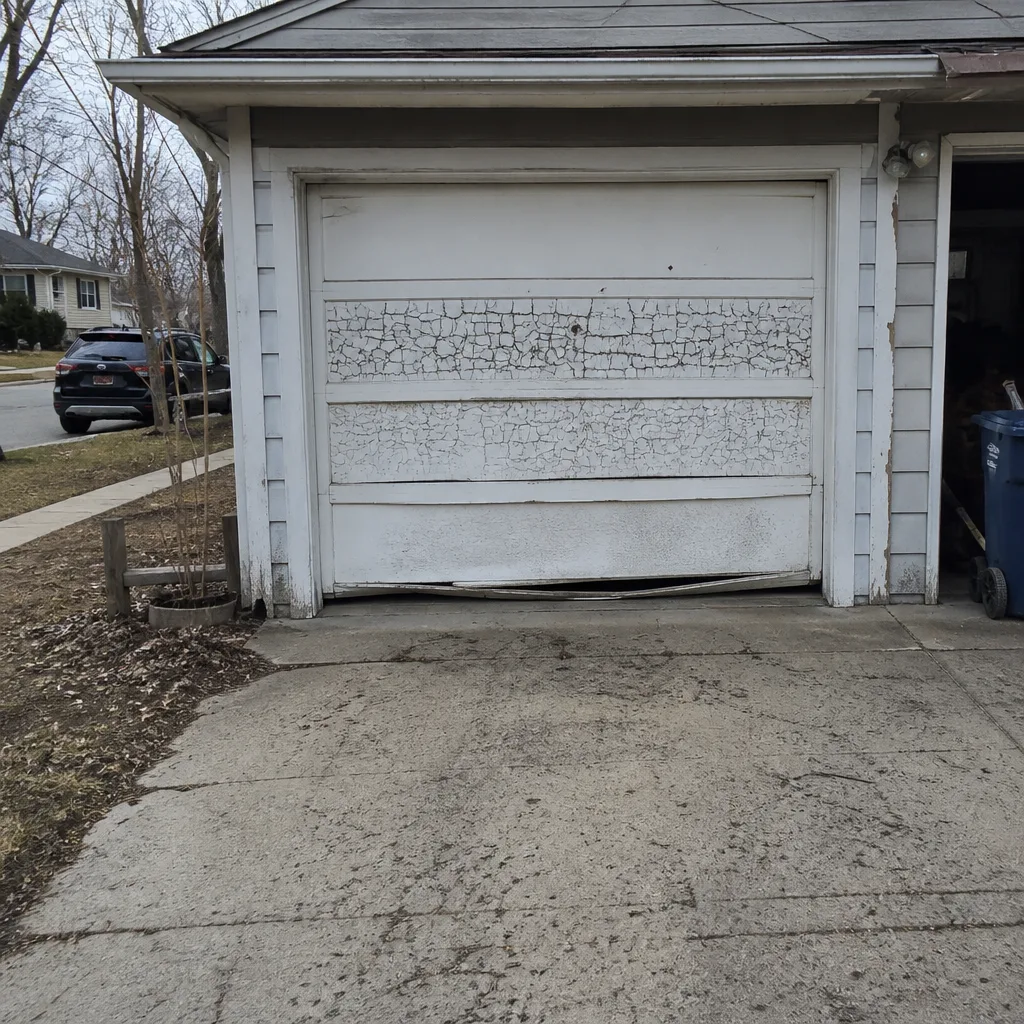 Before
 After
When to Call a Professional
Call when the door is stuck open, the door won’t seat and leaves the home exposed, a vehicle is trapped, or you see a broken spring or cable. Call when a door won’t operate at all and you can’t secure it safely, and call when a door is off track. If you’re not sure which failure you’re looking at, call and describe it. Garage Door Repair Apple Valley offers free estimates in Apple Valley. Call (844) 623-0656. We answer 24/7, with fast dispatch from 7am to 7pm, Sunday through Friday, and we can work with your schedule to get a technician there safely.
Frequently Asked Questions
A garage door emergency is any failure that leaves your Apple Valley home open or your vehicle trapped: a door stuck open, a door not seated and leaving a security gap, or a door off track with a vehicle underneath. A broken spring on a securely closed door is usually not an emergency, so it can wait for the next dispatch window. Call (844) 623-0656 if you’re unsure which you have; we’ll help you sort it.
Pull the red release cord hanging from the opener trolley straight down and toward the door while standing off to the side, with the door closed and no one underneath. This disconnects the door from the opener so you can move it by hand. If the door feels extremely heavy after release, stop and keep it down, since that points to a spring or cable failure. Call (844) 623-0656 for a trained technician to take it from there.
Warm the trolley area gently with a hand-held hair dryer and work the cord back and forth once it starts to give. Never use a heat gun, torch, or pliers on a frozen release. If the door is closed and secure, book a technician to free it and check for the water intrusion that caused the freeze. Call (844) 623-0656 and we’ll get it sorted.
No. Garage door springs are the most dangerous component in the system, under extreme tension even at rest, and releasing that tension without the right tools and training can cause serious injury. A trained technician should do it every time. Call (844) 623-0656 for spring repair in Apple Valley; our technicians have up to 15 years of experience.
Clear any obstruction, check and clean the safety sensors at the bottom corners, and try the wall control instead of the remote to see whether the door itself is the problem. If it still won’t seat and you can lower it safely by hand, brace the opening from inside rather than forcing the door. If you can’t get it down, call (844) 623-0656 for emergency service and we’ll secure it.
Have your opener brand and model, your door type and rough weight, whether the springs are torsion or extension, what the door is doing right now, and whether a vehicle is trapped or the home is exposed. LiftMaster, Chamberlain, and Craftsman cover much of what’s installed in Apple Valley, but any brand changes the diagnostic approach. Call (844) 623-0656 and we’ll take the details from there.
The Bottom Line
Emergency preparedness for an Apple Valley garage door is really about one question: is the home open or the car trapped? If yes, it’s an emergency. If no, the door is likely safe to leave until the next dispatch window. A broken spring and a broken cable can look alike and demand different responses, but neither is a job for a homeowner. Know your opener brand, know where your release cord is, know how to spot a security gap, and keep a service number ready. When the door won’t wait, call Garage Door Repair Apple Valley at (844) 623-0656 for a free estimate.
Written by the team at Garage Door Repair Apple Valley.