
Last updated November 22, 2026
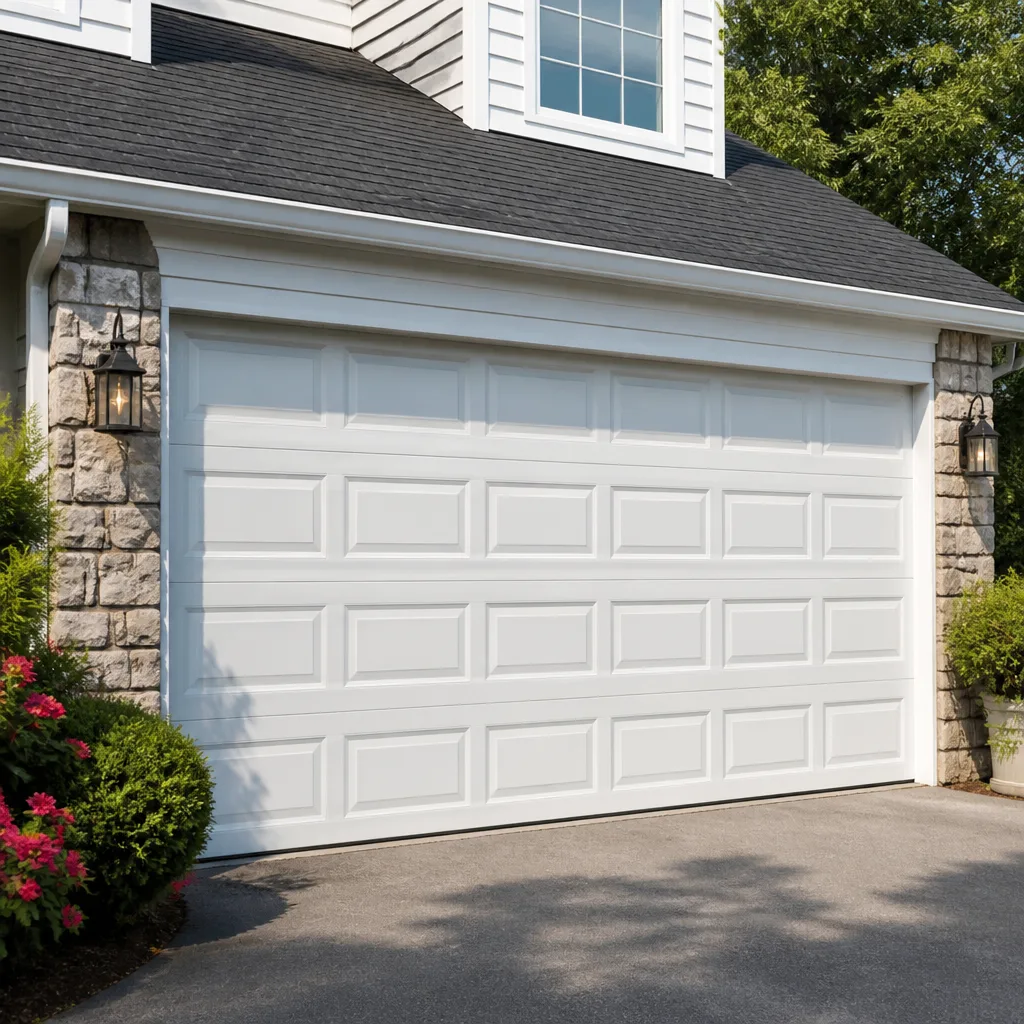 Raised-panel steel
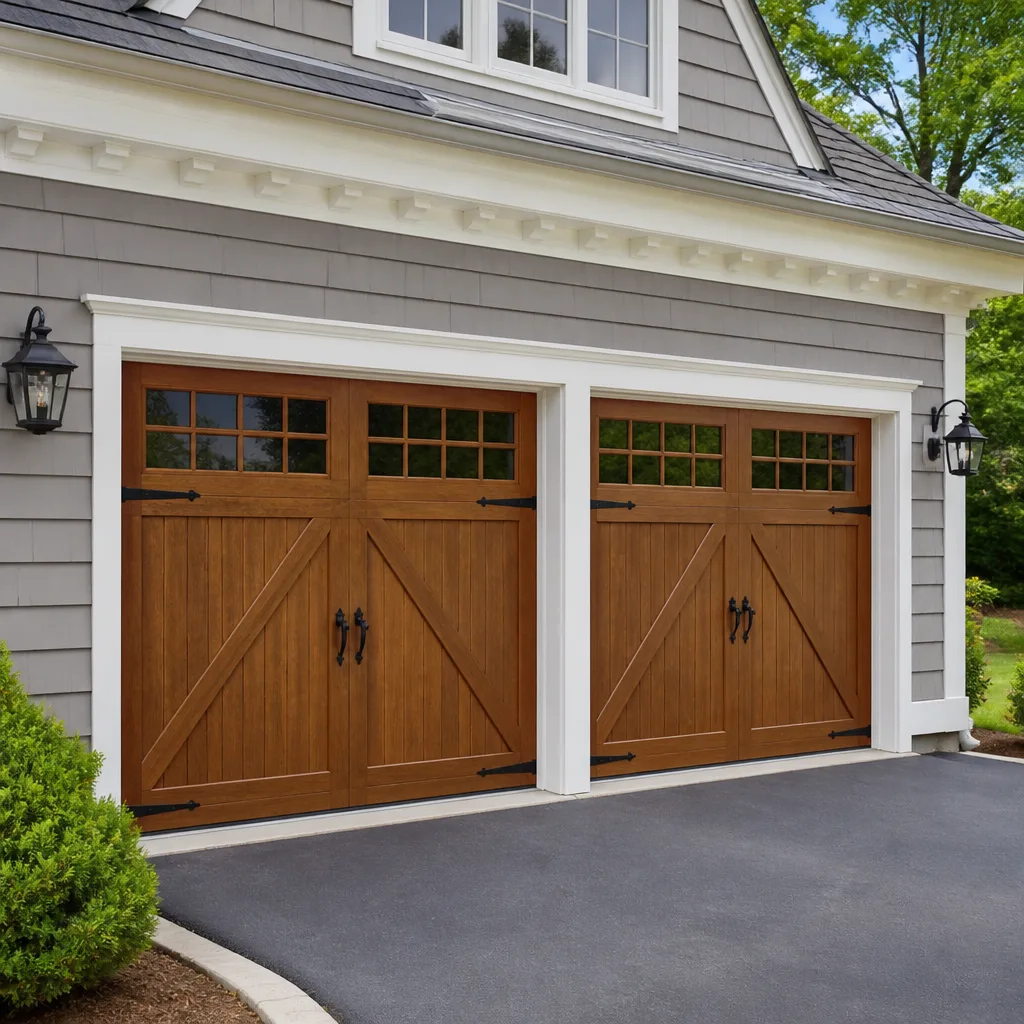 Carriage house
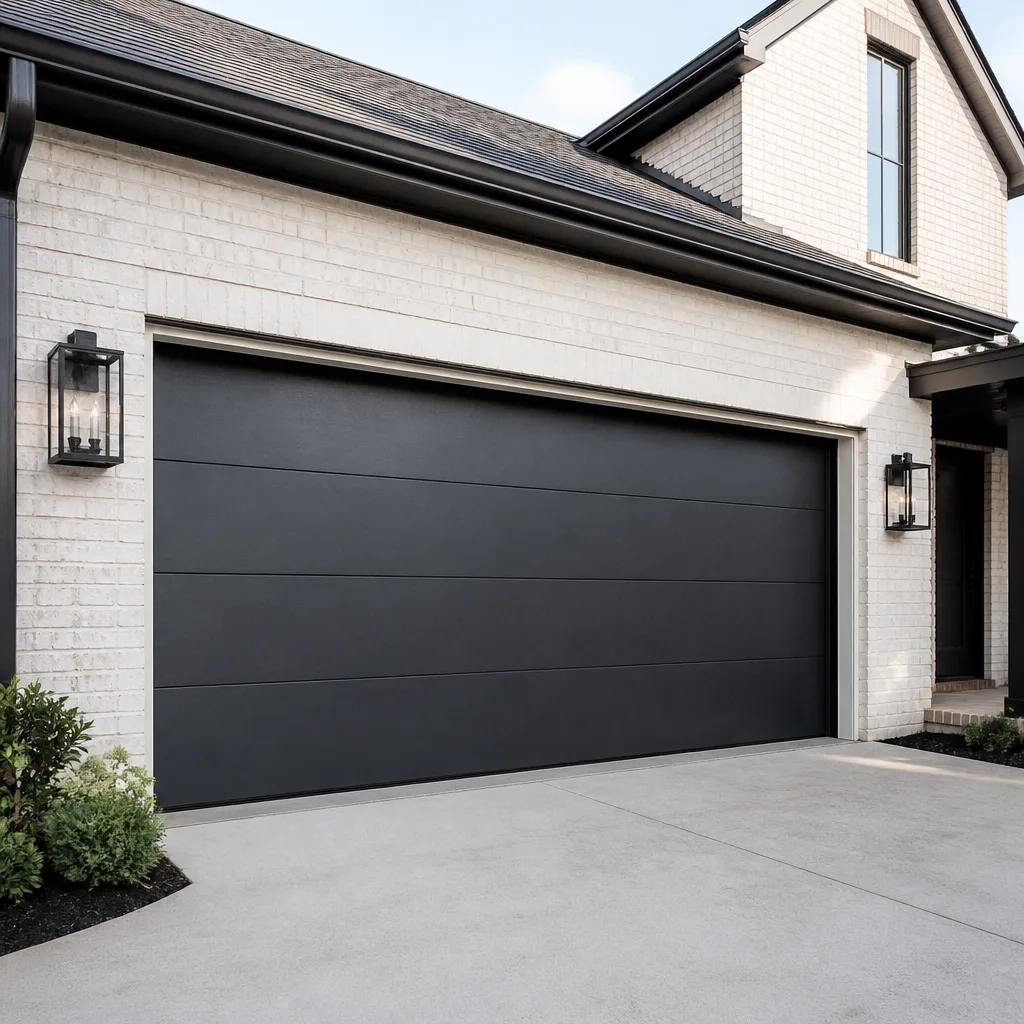 Modern flush
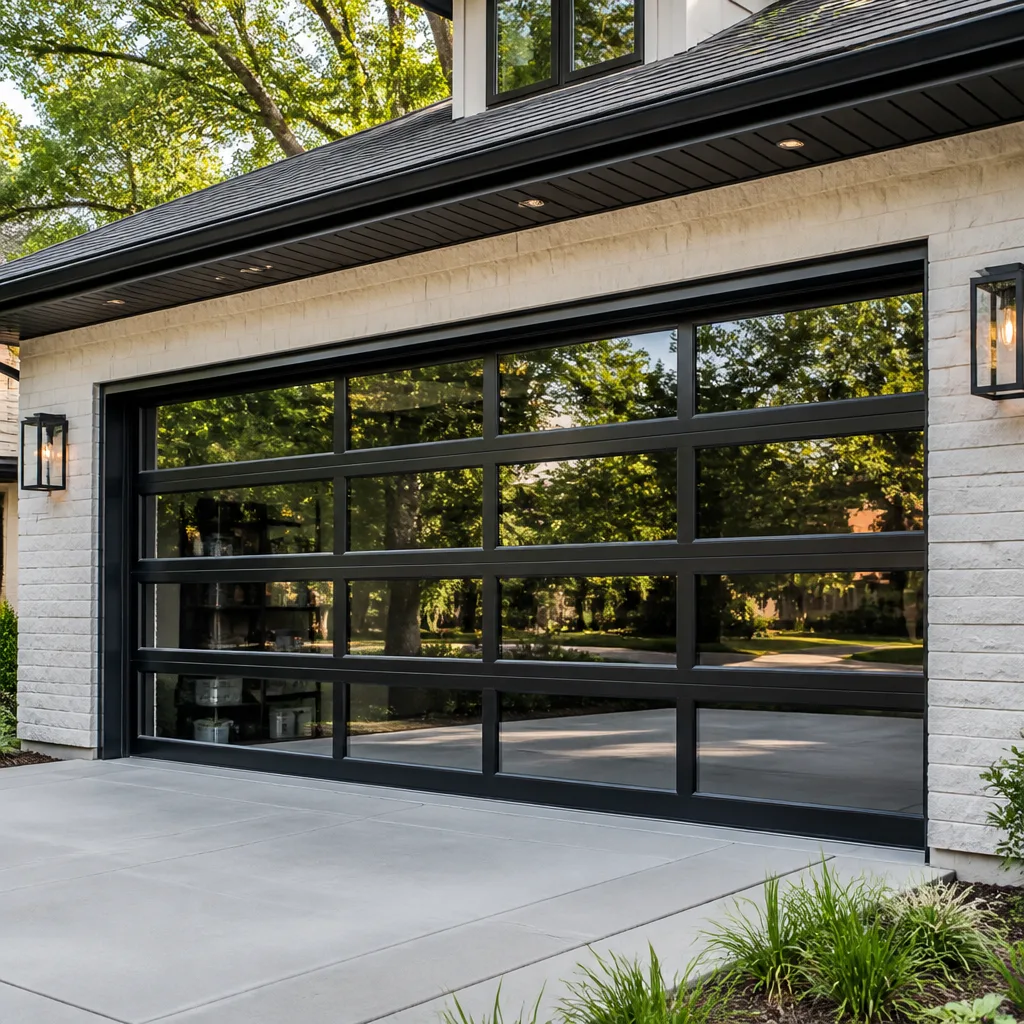 Full-view glass
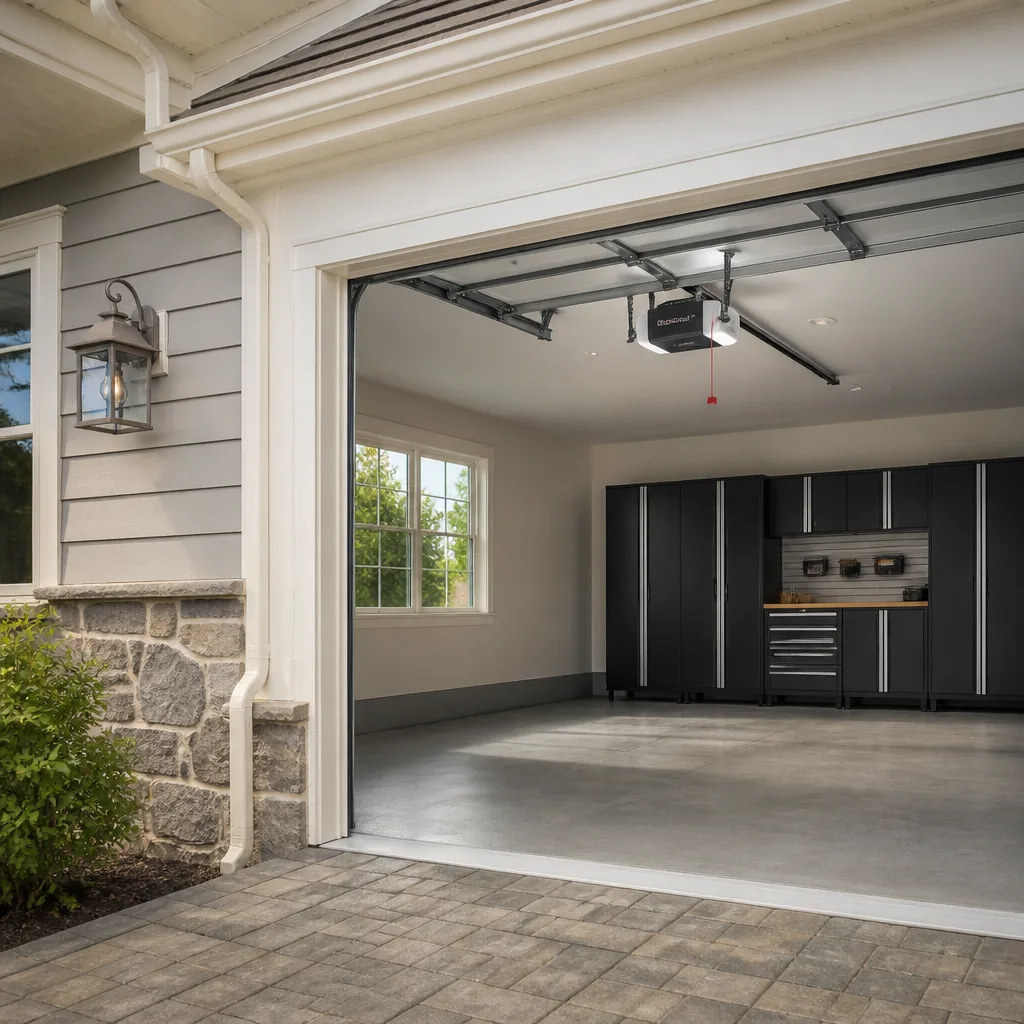 LiftMaster openers
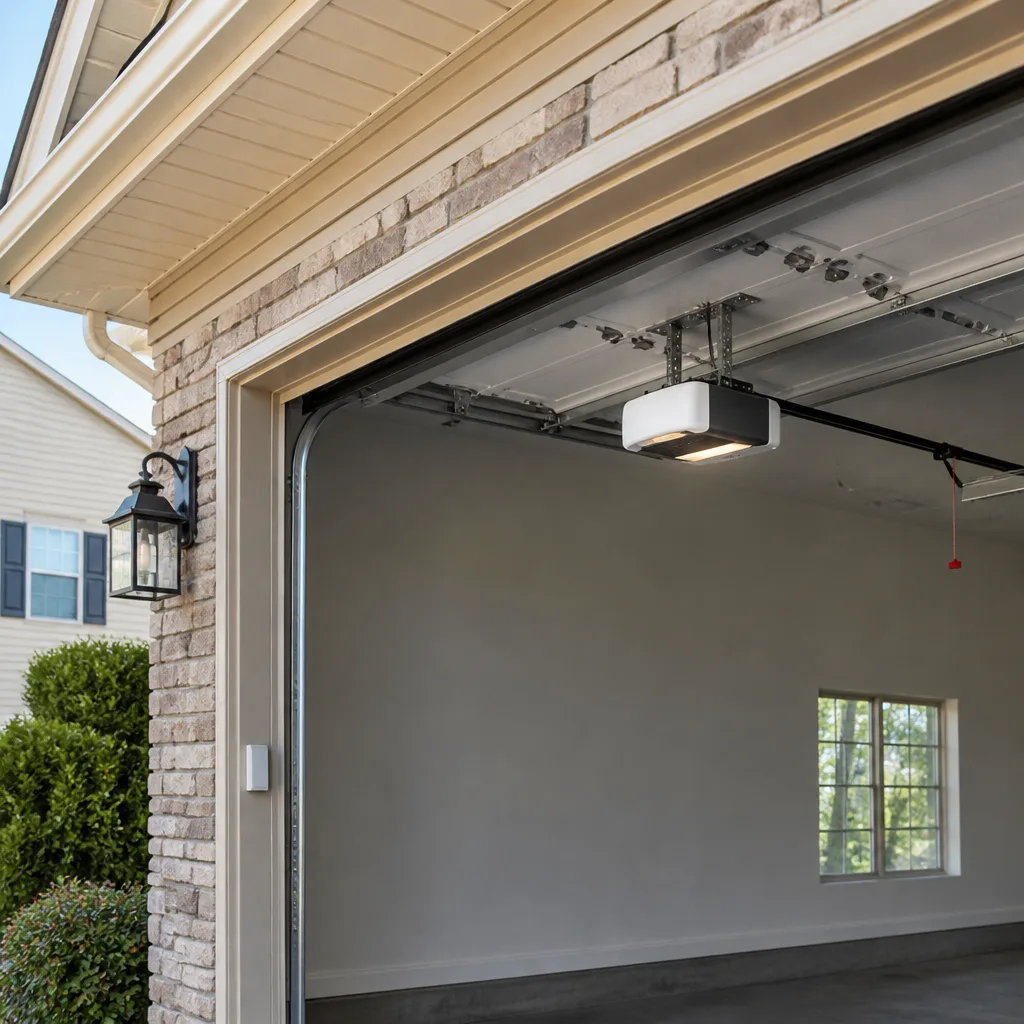 Chamberlain openers
Full 25-point door and opener safety check with every visit - springs, cables, rollers, tracks, and your LiftMaster or Chamberlain opener included
You get a price before we start. It does not change when the pro arrives.
Get your free estimateDIY vs Professional Garage Door: The Apple Valley Homeowner’s Decision Guide
Most homeowners asking “can I fix this myself?” are asking the wrong question. Garage door work isn’t one skill level from easy to hard. It’s two completely different categories of work wearing the same name. One category is genuinely homeowner-friendly: weatherseal, lubrication, remote batteries, sensor cleaning. The other involves stored mechanical energy and heavy components under tension, where a small slip has consequences that go well beyond a wasted afternoon. This guide draws a hard line between the two, with the specific failure modes behind each, so you can decide what’s genuinely safe to attempt on your own Apple Valley door and what isn’t. What you’ll learn: which tasks save you money doing yourself, which ones cost more when they go wrong, and how to spot the difference before you pick up a wrench.
Quick Answer
Homeowners can safely handle weatherseal replacement, roller and hinge lubrication, remote battery changes, and photo eye cleaning. Spring replacement, cable work, track realignment, and opener motor replacement are professional-only jobs, and the reason isn’t skill level: it’s stored energy and load-bearing components that can cause serious injury or turn a small repair into a full door replacement. If the problem involves a spring, a cable, a bent track, or a motor that’s dead, stop and call a professional.
Styles & brands we work with
- Raised-panel steel
- Carriage house
- Modern flush
- Full-view glass
- LiftMaster openers
- Chamberlain openers
Table of Contents
- The Physics That Decide This Question
- The DIY-Safe List: What You Can Genuinely Do Yourself
- The Professional-Only List: Where DIY Goes Wrong
- How to Tell If a “Simple Adjustment” Is a Bigger Problem
- The Hidden Cost of DIY Mistakes
- The Right Tool for the Right Job
- Apple Valley Climate and Your Door
- The Decision Framework: A Step-by-Step Check
The Physics That Decide This Question
A torsion spring under full tension stores roughly the same energy as a loaded firearm. That comparison isn’t meant to be dramatic. It’s the actual mechanical reality of what’s holding your garage door up. When you release a torsion spring without the right winding bars and the right procedure, that stored energy releases in an instant, and the spring, the bars, and the door itself become projectiles. Extension springs carry the same risk in a different configuration, with the added danger of snapping toward anything in their path if a safety cable isn’t in place.
This is why the DIY vs. professional debate for garage doors isn’t really about whether you’re handy. Plenty of capable homeowners replace their own brake pads and rewire a light fixture. The difference is that most home repairs don’t involve a component holding hundreds of pounds of force in a balanced system where releasing one part shifts the load to everything else. A torsion spring, two cables, and a set of drums work together to counterbalance the door’s weight. Loosen the wrong thing and the tension transfers to a component that wasn’t designed to hold it alone.
In Apple Valley, our winters add another layer. Cold contracts metal, and springs that have cycled thousands of times in milder conditions can behave differently when the temperature drops below freezing. A spring that’s been slowly weakening over a season is more likely to fail when it’s cold, and a homeowner attempting a repair on a cold, stiff mechanism has less margin for error than they’d have in July. That’s not a reason to avoid maintenance. It’s a reason to know which parts of the system you should be touching and which ones should be left to someone with the right tools and training.
The trade-off isn’t abstract. A spring replacement involves a labor cost that’s a fraction of what a hospital visit or a full door replacement costs. The question worth asking isn’t “am I handy enough to do this?” It’s “does saving that labor cost justify the risk if something goes wrong?” For weatherseal and lubrication, the answer is usually yes. For springs, cables, tracks, and motors, the math doesn’t work in your favor.
The DIY-Safe List: What You Can Genuinely Do Yourself
These tasks don’t involve stored spring tension or load-bearing adjustment, and they’re the ones worth doing yourself. They also happen to be the maintenance items that prevent bigger problems down the road.
Weatherseal Replacement
The rubber or vinyl seal along the bottom of the door and around the frame takes the brunt of Minnesota weather. When it cracks, hardens, or pulls away, you get drafts, water intrusion, and pests finding a way in. Replacement is straightforward:
- Measure the width of your door and the profile of the existing seal so you buy the right replacement.
- Pull the old seal out of its track or channel, working from one end to the other.
- Clean the channel so the new seal seats fully.
- Press or slide the new seal into place, trimming the ends for a clean fit.
- Check that the door still closes flush against the floor without compressing the seal too hard.
This is a genuine weekend project and one of the highest-value maintenance tasks for an Apple Valley home, given how much freeze-thaw cycling the seal endures each year.
Lubricating Rollers and Hinges
Noise and stiffness are often just dried-out moving parts. A garage door lubricant (not WD-40, which is a solvent and will strip existing lubrication) applied to the hinge pivot points and roller bearings once or twice a year keeps the door running quietly and reduces strain on the opener. Wipe off excess so it doesn’t attract dust.
Replacing Remote Batteries
If a LiftMaster or Chamberlain remote stops working and the wall button still operates the door, the battery is the first suspect. Open the remote, match the battery type, replace it, and re-test. If a new battery doesn’t fix it, the issue is likely the remote itself or the opener’s receiver, which moves into professional territory.
Cleaning Photo Eye Sensors
The two small sensors at the base of the door tracks stop the door from closing on something in its path. Dust, cobwebs, and condensation can block them, and the door will refuse to close or will reverse immediately. Wipe both lenses with a soft cloth and check that they’re aligned with each other. If the door still won’t close after cleaning and realigning, the sensor or the wiring is the problem, not the lens.
The Professional-Only List: Where DIY Goes Wrong
Each of these involves either stored energy, a load-bearing component, or a system that has to be resequenced correctly to stay safe. The failure mode for each is specific, which is why we don’t treat them as “harder versions” of DIY work. They’re a different category.
Torsion and Extension Spring Replacement
Torsion springs are wound to a specific number of turns to counterbalance the door’s exact weight. If the replacement spring isn’t sized correctly, the door will either be too heavy to lift by hand (dangerous if the opener fails) or too light, causing it to slam or refuse to stay down. Extension springs carry a different failure mode: if one snaps without a containment cable, it can fly across the garage. The specific danger here is the release of stored energy during removal of the old spring, which requires winding bars and a controlled procedure.
Cable Replacement
Cables run from the bottom corners of the door up to the drums at the top of the torsion shaft. They’re under tension whenever the door is closed. A cable that’s frayed or has jumped its drum needs to be replaced before it fails, and replacing it means releasing and rebalancing the spring tension first. The failure mode: a cable that snaps under load can whip with enough force to damage the door, the track, or anything nearby.
Track Realignment
A bent or out-of-alignment track isn’t just cosmetic. It causes the rollers to bind, which strains the opener and can cause the door to come off the track entirely. Resetting a track means understanding how the vertical and horizontal sections meet, how the rollers sit in the channel, and how much adjustment the brackets can take before the door’s balance is affected. A homeowner bending a track back into place by feel usually makes it worse.
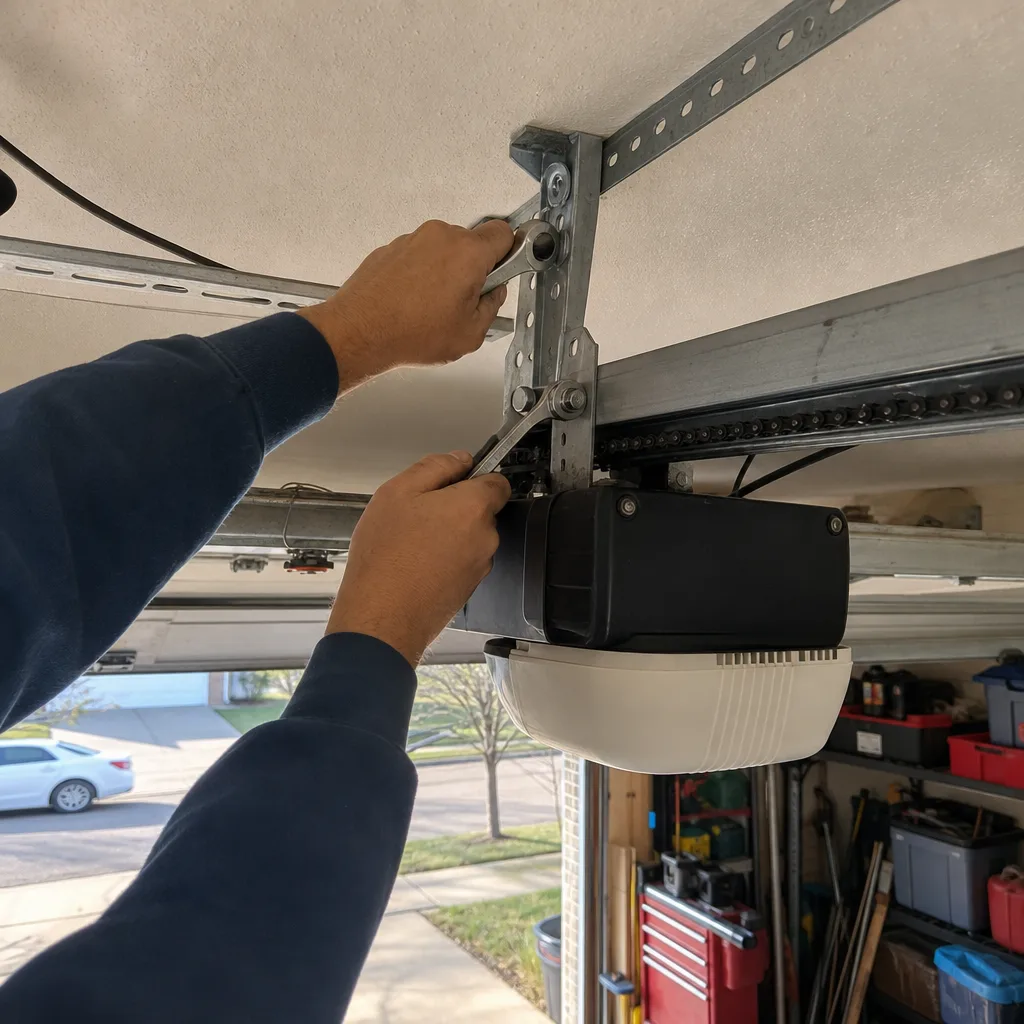
Opener Motor Replacement
Replacing an opener motor, or the opener itself, means matching the new unit to the door’s weight and travel, setting the force limits correctly, and making sure the safety reverse works before the door is used again. A Genie or LiftMaster opener installed with the force limits set too high will push through an obstruction instead of reversing, which defeats the safety system entirely.
If your Apple Valley door has a spring or cable problem, we handle garage door spring repair as a dedicated service because it’s the most technically demanding repair in the trade. Our technicians have up to 15 years of experience, and spring work is where that experience matters most.
How to Tell If a “Simple Adjustment” Is a Bigger Problem
Plenty of homeowners start with good intentions: the door is a little crooked, the opener strains a bit, there’s a noise that wasn’t there before. The problem is that a symptom that looks like an adjustment is often the visible sign of a worn component somewhere else in the system. Here’s how to read the difference before you start turning bolts.
Check the balance first. Disconnect the opener (pull the release handle) and lift the door halfway by hand. A properly balanced door should stay roughly where you let go. If it drops or rises on its own, the spring tension is wrong, and that’s not an adjustment you should make yourself.
Look at the cables and drums. If a cable is frayed, kinked, or sitting unevenly on its drum, the door’s alignment problem is coming from the cable, not the track. Adjusting the track won’t fix it, and the cable needs professional attention.
Listen to the opener. A grinding or straining opener that still moves the door often means the door’s balance has changed, not that the opener is failing. Replacing the opener without fixing the underlying balance issue just wears out the new unit faster. If you have a Chamberlain or LiftMaster unit and the motor is the actual failure, our garage door opener repair covers the diagnosis and the fix.
The pattern to watch for: if the symptom appeared suddenly, if it involves a noise, a sag, or a door that won’t stay where you put it, assume it’s mechanical until proven otherwise. If it’s just stiffness or a rough seal, it’s probably maintenance.
The Hidden Cost of DIY Mistakes
The labor you save on a DIY attempt is easy to see. The cost of getting it wrong is harder to quantify until the bill arrives. These are the three most common ways a DIY garage door repair turns into a bigger job.
- Improper spring sizing. A spring that’s the wrong gauge or wound to the wrong number of turns leaves the door unbalanced. Best case, the door is heavy and the opener works harder until it fails. Worst case, the door won’t stay in place and becomes a safety problem. The fix means replacing the spring again, plus potentially the opener it wore out.
- Stripped cable drums. A cable that’s been forced back onto a drum, or a drum that’s been turned with the wrong tool, can strip the set screws or warp the drum itself. Replacing a drum is a bigger job than replacing the cable, since the spring tension has to come off first.
- Bent tracks. A track bent back into shape by hand rarely ends up perfectly aligned, and the rollers riding in a slightly off track wear faster and put more load on the opener. The correction usually means replacing the affected track section rather than adjusting it.
The pattern in all three: the DIY attempt doesn’t just fail to fix the original problem. It adds a second problem on top and removes the ability to diagnose the first one cleanly. When we’re called to a garage door that’s already been worked on, the first task is always the right diagnosis before the first repair, because what’s wrong now may not be what was wrong originally.
The Right Tool for the Right Job
Homeowners doing legitimate maintenance need a modest set of tools. Professional work needs a different set, and the difference isn’t just cost. It’s whether the tool lets you control stored energy safely.
Tools for DIY maintenance
- A socket set and screwdrivers for hinge and bracket fasteners
- Garage door lubricant (not a general-purpose spray)
- A soft cloth and a step ladder for sensor cleaning and visual inspection
- A tape measure for weatherseal sizing
- A flashlight for checking the underside of the door and the tracks
Tools professional work requires
- Winding bars sized to the torsion spring, which are the only safe way to release or set spring tension
- Cable pullers and locking pliers rated for load-bearing work
- Spring sizing gauges to match the replacement to the door’s weight
- Track alignment tools, since bending a track back by hand rarely gets it right
- Force gauge equipment for setting opener limits correctly after a motor replacement
The winding bars are the clearest line in the sand. There’s no safe substitute for them, and no homeowner-friendly workaround for releasing spring tension without them. That’s one of the reasons we treat spring work as its own service category rather than a repair that gets folded into general jobs.
Apple Valley Climate and Your Door
Apple Valley sits in the south metro, and the freeze-thaw cycle that runs from late fall through early spring is the single biggest environmental factor in how your garage door ages. Doors here see dozens of cycles a year where the temperature crosses freezing, and each one works the seals, the springs, and the metal components a little differently than a steady climate would.
What that means in practice: weatherseal on an Apple Valley door typically needs replacement more often than the manufacturer’s general guidance suggests, because the freeze-thaw cycle hardens and cracks the rubber faster. Springs that have cycled through several winters are more likely to fail in a cold snap, since cold metal is less forgiving and a weakened spring has less margin. And the tracks, which expand and contract with temperature swings, can drift out of alignment over a season even without any impact damage.
Neighborhoods across Apple Valley, from the older sections near the Minnesota Zoo area to the newer developments off Cedar Avenue, see the same pattern: doors that get regular seal and lubrication maintenance in the fall go into winter with fewer problems than doors that don’t. If you’re doing one maintenance task before the cold sets in, make it the seal check and a full lubrication pass.
When the door itself needs work that goes beyond maintenance, we cover garage door repair across Apple Valley, and we can work with your insurer on damage that’s covered.
The Decision Framework: A Step-by-Step Check
When a problem shows up, run through this in order. It takes about two minutes and it’ll tell you whether to reach for a tool or a phone.
- Is the door stuck, off its track, or unable to open or close? If yes, stop. This is professional work, and it’s urgent if the property is unsecured or a vehicle is trapped.
- Does the problem involve a spring or a cable? If yes, stop. Don’t attempt to inspect these visually while the door is under tension, and don’t touch them. These are the highest-risk components in the system.
- Is the door visibly crooked, sagging, or uneven at the bottom? If yes, check the balance by disconnecting the opener and lifting the door by hand. If it won’t stay where you put it, it’s a spring or cable issue and needs a professional.
- Is the problem just stiffness, noise, or a worn seal? If yes, this is likely maintenance. Lubricate the moving parts, check the seal, and see if the problem improves.
- Is the opener the issue, and does the wall button still work? If yes, start with the battery in the remote. If a new battery doesn’t fix it, the opener itself needs diagnosis.
- Has the door already been worked on? If yes, describe what was done when you call. The right diagnosis before the first repair matters most when a previous attempt has already changed something.
We work on the major residential brands, including LiftMaster, Chamberlain, Genie, and Clopay, so whether your door is a common builder-grade unit or something more specific to your Apple Valley home, we can diagnose it correctly the first time.
Common Mistakes to Avoid
- Using WD-40 on rollers and hinges. It’s a solvent, not a lubricant. It strips existing grease and leaves the moving parts drier than before, which accelerates wear. Use a garage door lubricant instead, especially before an Apple Valley winter when dry parts get stiffer.
- Attempting a spring replacement without winding bars. There’s no safe workaround. Using a screwdriver or a pry bar in place of winding bars is how most serious garage door injuries happen, and the risk increases on cold, stiff springs.
- Forcing a bent track back into shape. Hand-bending a track rarely gets it aligned correctly, and the misalignment wears the rollers and strains the opener. It usually costs more to fix afterward than a proper track adjustment would have.
- Replacing an opener without checking door balance. If the door’s balance has shifted, a new opener will work harder than it should and fail sooner. Always check balance before blaming the opener.
- Ignoring a door that won’t stay halfway up. That’s the clearest signal of a balance problem, and it usually means spring tension is off. It also means the door is a safety hazard until it’s corrected.
- Skipping the fall seal check. In Apple Valley, a cracked seal going into winter lets in cold air and moisture, and moisture around the door frame freezes and works the frame looser over the season. A quick seal check in the fall prevents a bigger repair in the spring.
- Tightening every bolt you can find. Not every fastener on a garage door is meant to be fully torqued, and overtightening a hinge or bracket can distort the door panel. Leave structural fasteners alone unless you know the spec.
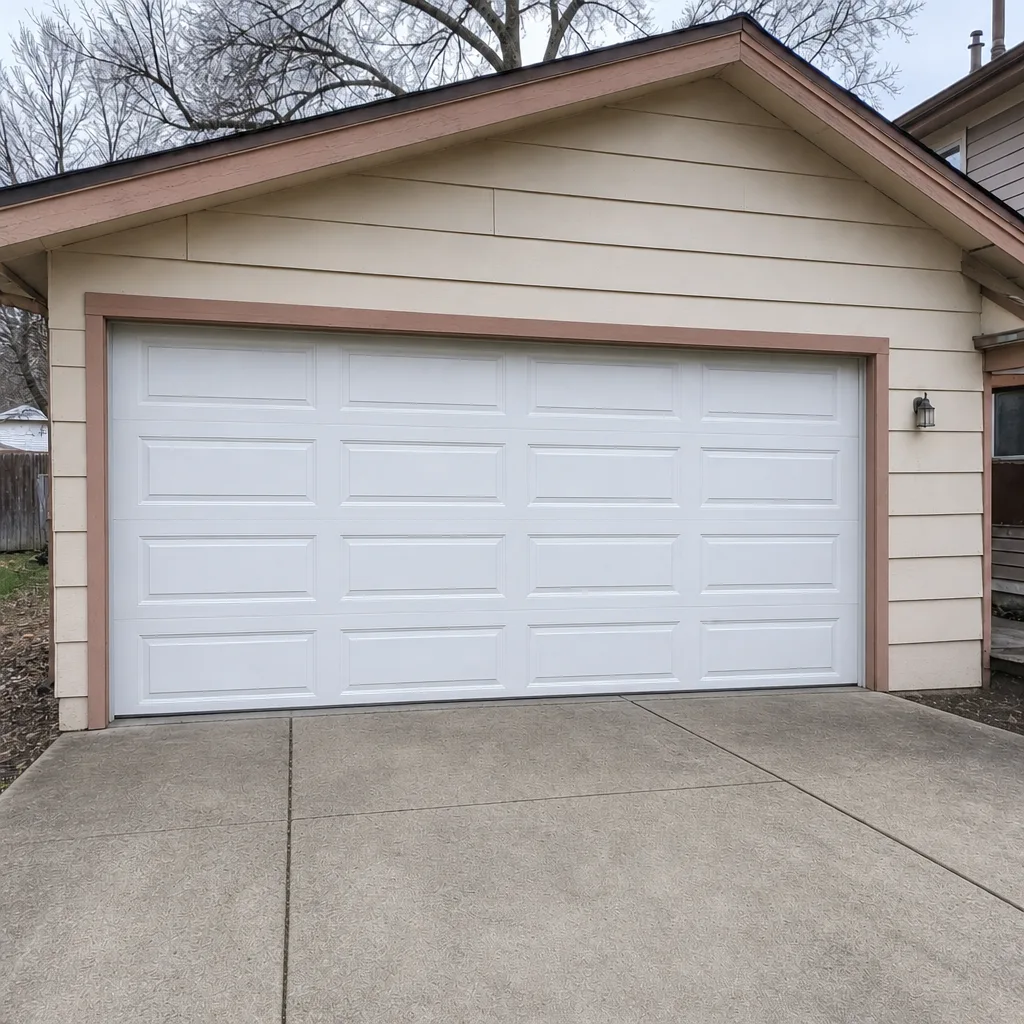
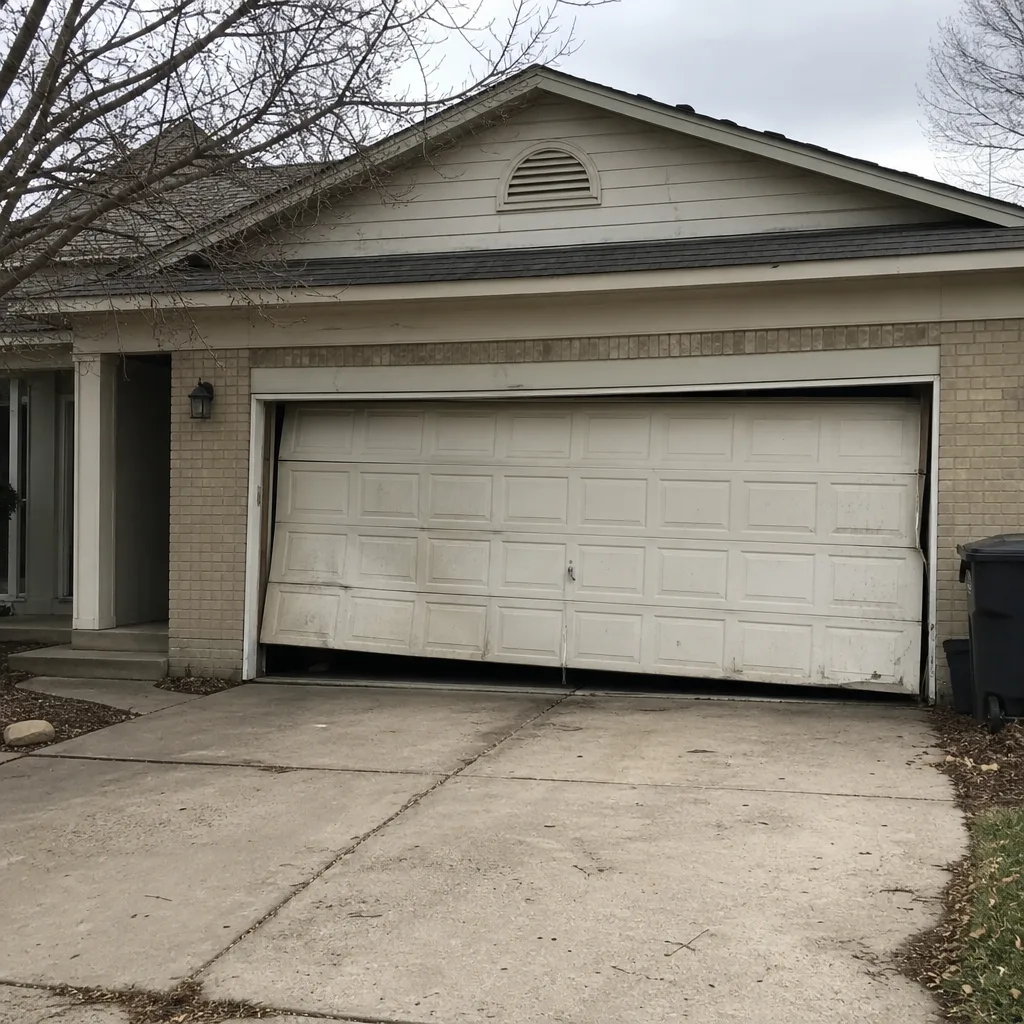
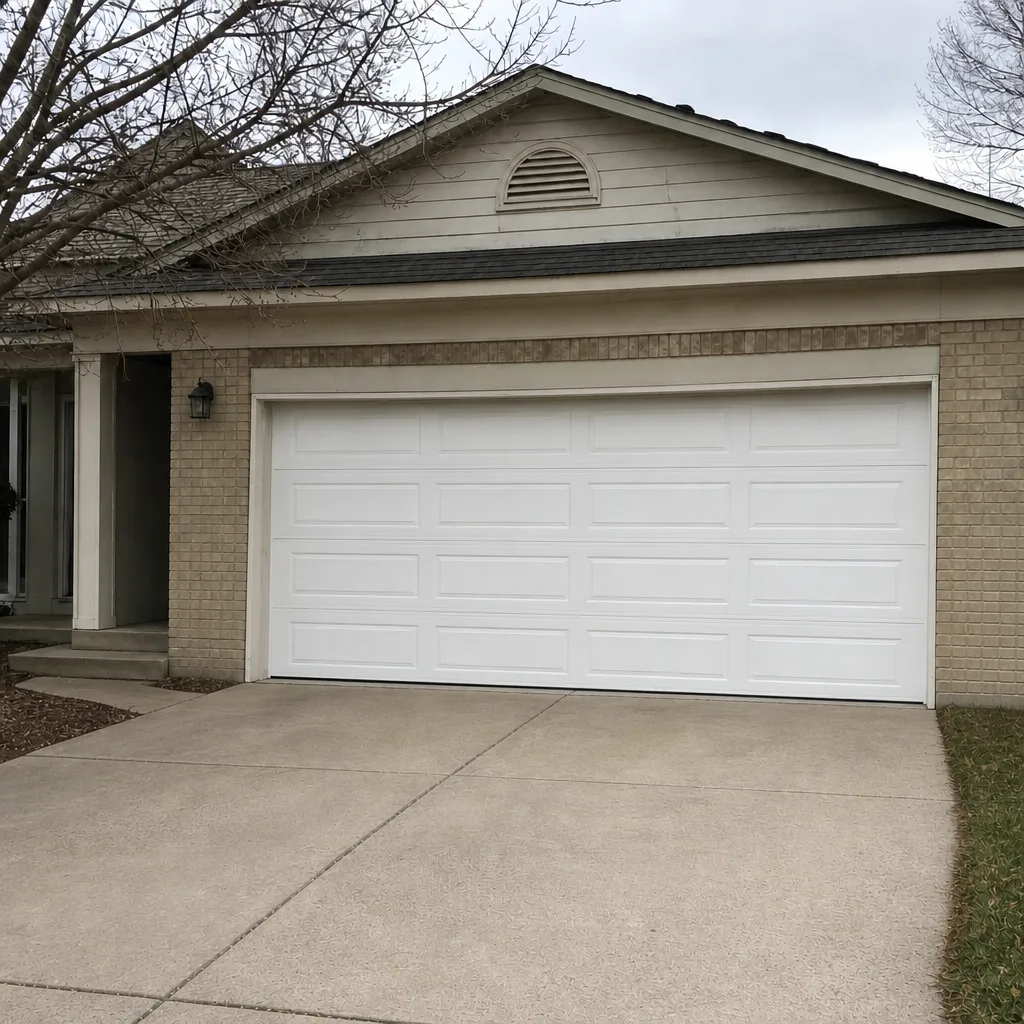
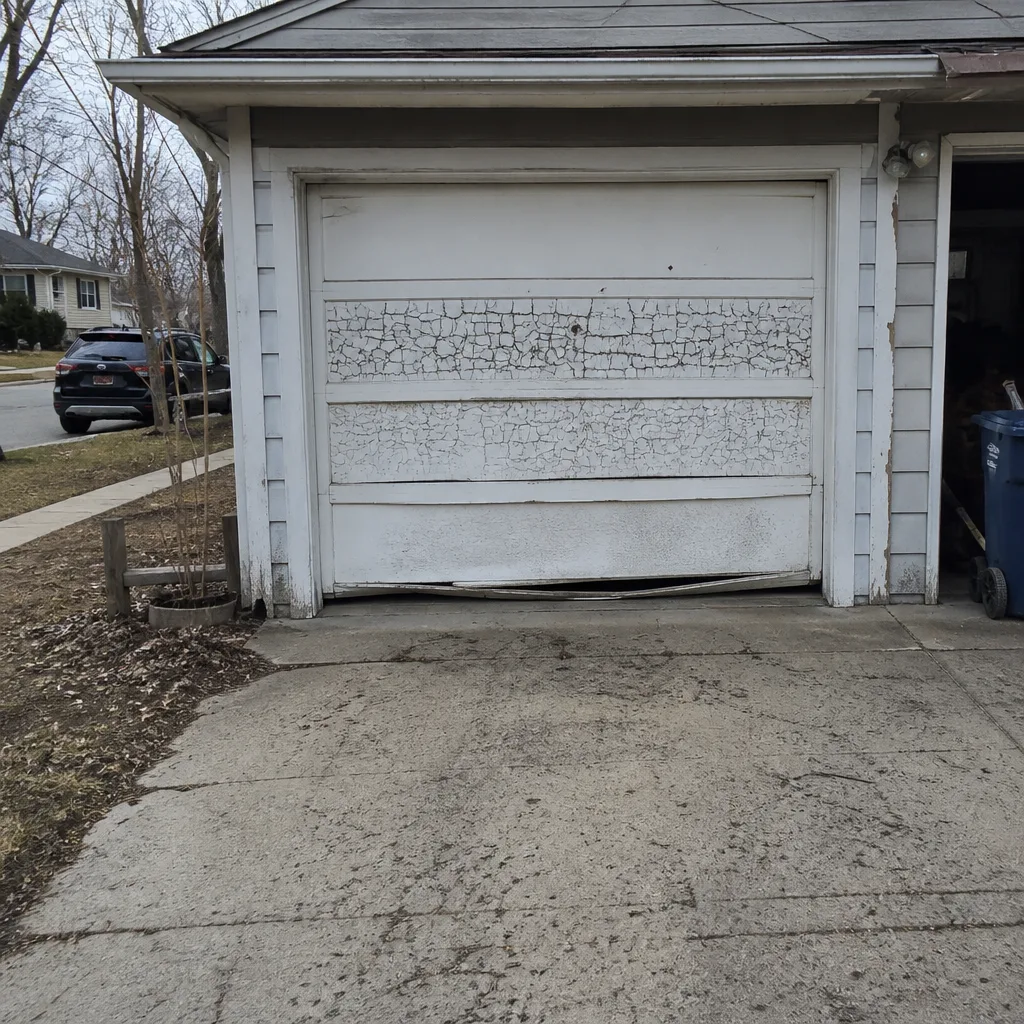
See the difference
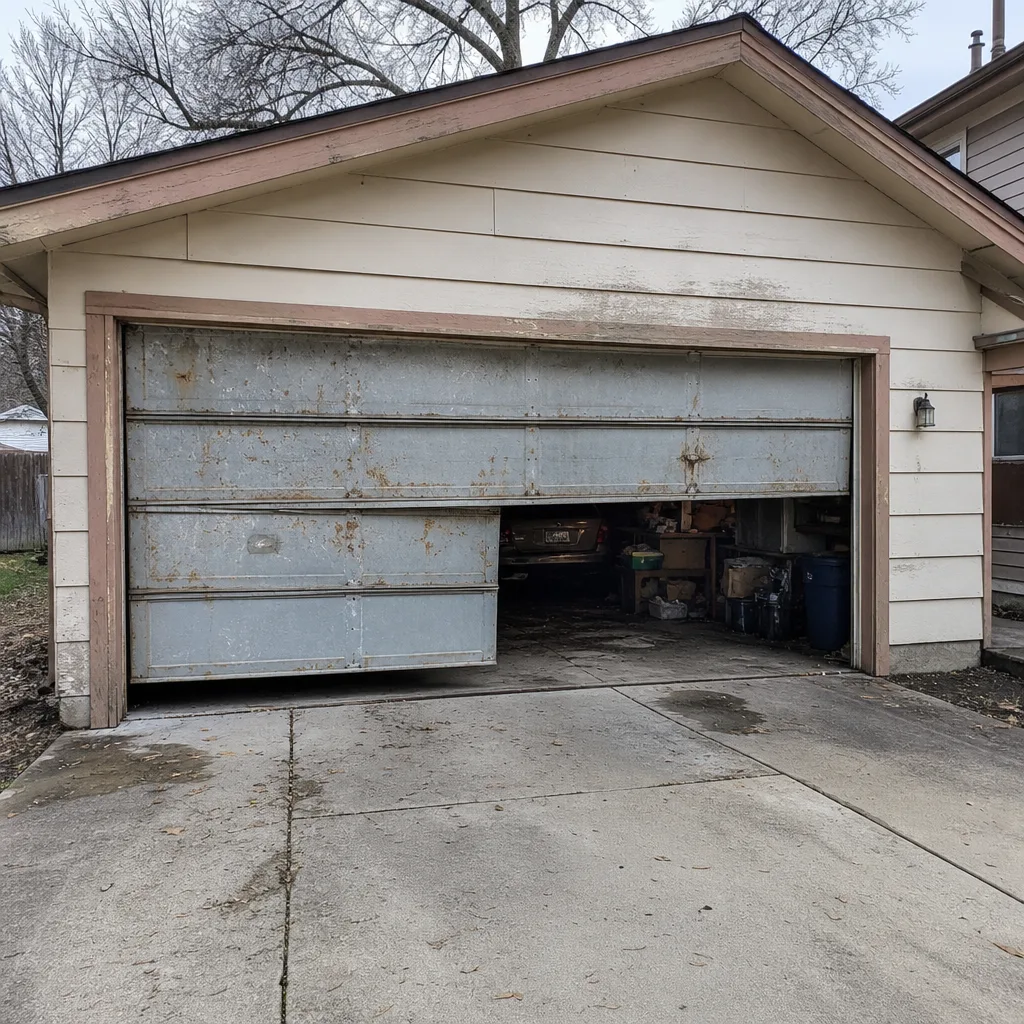 Before
 After
 Before
 After
 Before
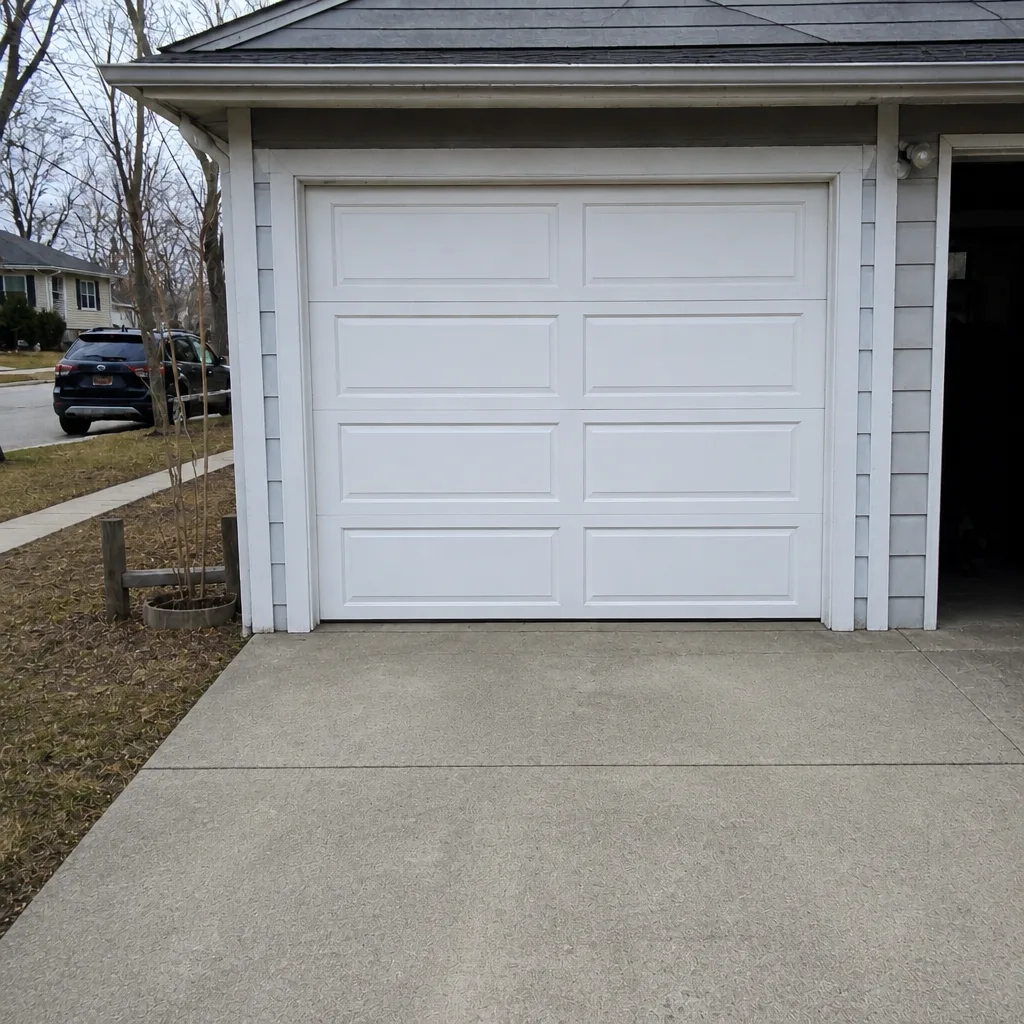 After
When to Call a Professional
Call us when the problem involves a spring, a cable, a bent track, or a door that won’t open or close. Call us when the door is crooked, sagging, or won’t stay halfway up, and call us when a remote battery and sensor cleaning haven’t fixed an opener problem. If a door won’t open or close and your property is unsecured or a vehicle is trapped, that’s an urgent call. If you’re not sure which category your problem falls into, describe the symptom and we’ll tell you honestly whether it’s maintenance or a repair. Garage Door Repair Apple Valley offers free estimates in Apple Valley. Call (844) 623-0656. We answer 24/7. Fast dispatch from 7am to 7pm, Sunday through Friday.
Frequently Asked Questions
No, and we don’t recommend attempting it. A torsion spring holds hundreds of pounds of stored energy, and releasing or setting that tension without the right winding bars and procedure is how most serious garage door injuries occur. Spring replacement is the one task in the whole system that should always be left to a professional.
Weatherseal replacement, lubricating rollers and hinges, replacing remote batteries, and cleaning and realigning the photo eye sensors are all safe for a homeowner. These tasks don’t involve stored spring tension or load-bearing adjustment, and they prevent bigger problems when done regularly. If a problem goes beyond these four, it’s worth a professional diagnosis.
Check the door’s balance by disconnecting the opener and lifting it halfway by hand. If it stays where you put it, the issue is likely an adjustment or maintenance item. If it drops or rises on its own, or if the cables look frayed or uneven on the drums, it’s a spring or cable problem and needs a professional.
The most common outcomes are improper spring sizing, stripped cable drums, and bent tracks, and each one costs more to fix than the original repair would have. A door that’s already been worked on is also harder to diagnose, since the current problem may not be the original one. Describe what was attempted when you call so we can start with the right diagnosis.
Yes, for the major residential brands. We handle LiftMaster, Chamberlain, Genie, Clopay, Amarr, Wayne Dalton, Craftsman, and Raynor, covering nearly any residential system an Apple Valley homeowner is likely to have. If your opener is a LiftMaster or Chamberlain unit, those power most U.S. homes and we work on them routinely.
Yes, stuck doors are a priority, and fast dispatch from 7am to 7pm, Sunday through Friday, is how we handle them. Call (844) 623-0656 for an exact quote, and we answer 24/7. Estimates are free, and you’ll know the price before any work starts.
The Bottom Line
The DIY vs. professional question for garage doors comes down to one line: stored energy. Weatherseal, lubrication, remote batteries, and sensor cleaning are genuinely safe to do yourself and worth doing regularly. Springs, cables, track realignment, and opener motors involve load-bearing components where a small mistake has real consequences, and the labor you save on a DIY attempt rarely covers the cost of fixing it afterward. If you’re in Apple Valley and you’re unsure which side of the line your problem falls on, describe the symptom and we’ll tell you honestly. Free estimates, and the price is quoted and agreed before any work starts.
Call (844) 623-0656 for a free estimate on any Apple Valley garage door repair, spring replacement, opener issue, or new installation.
Written by the team at Garage Door Repair Apple Valley.