
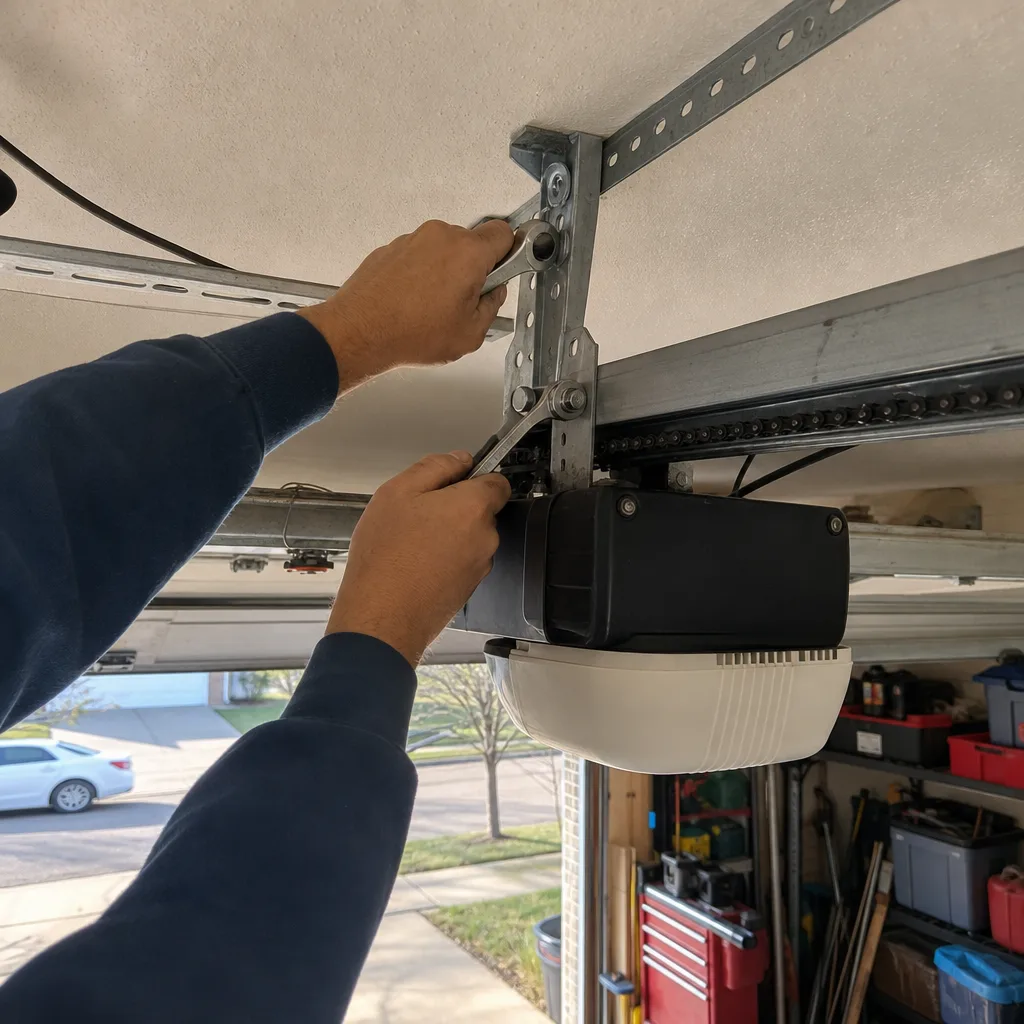
Last updated November 22, 2026
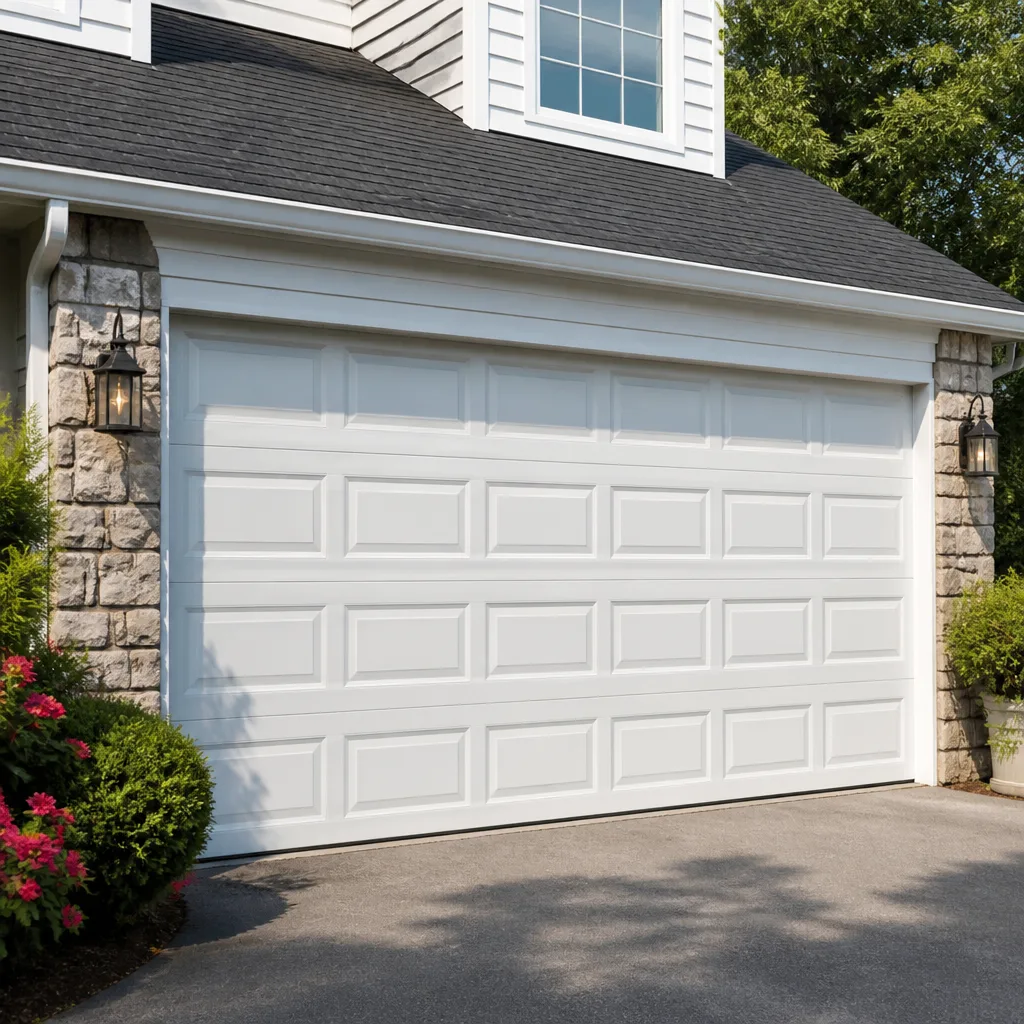 Raised-panel steel
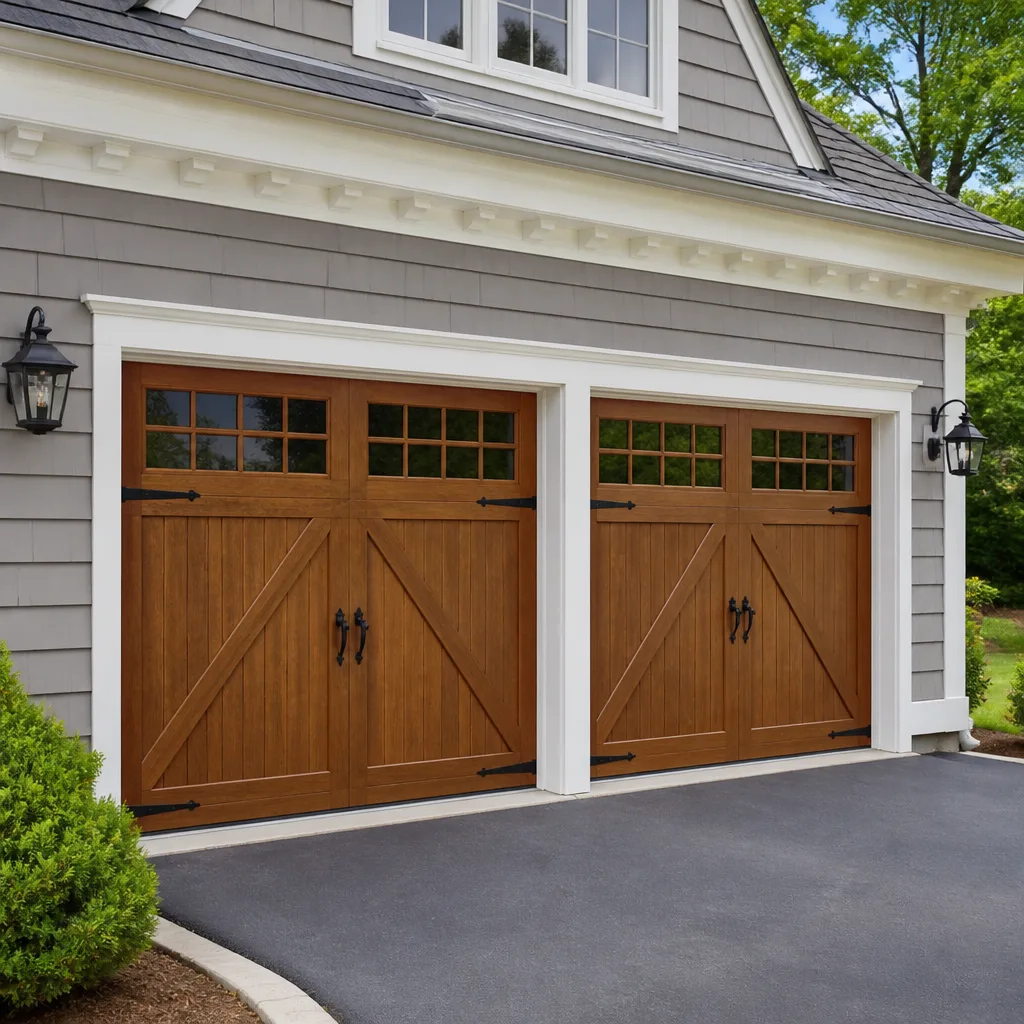 Carriage house
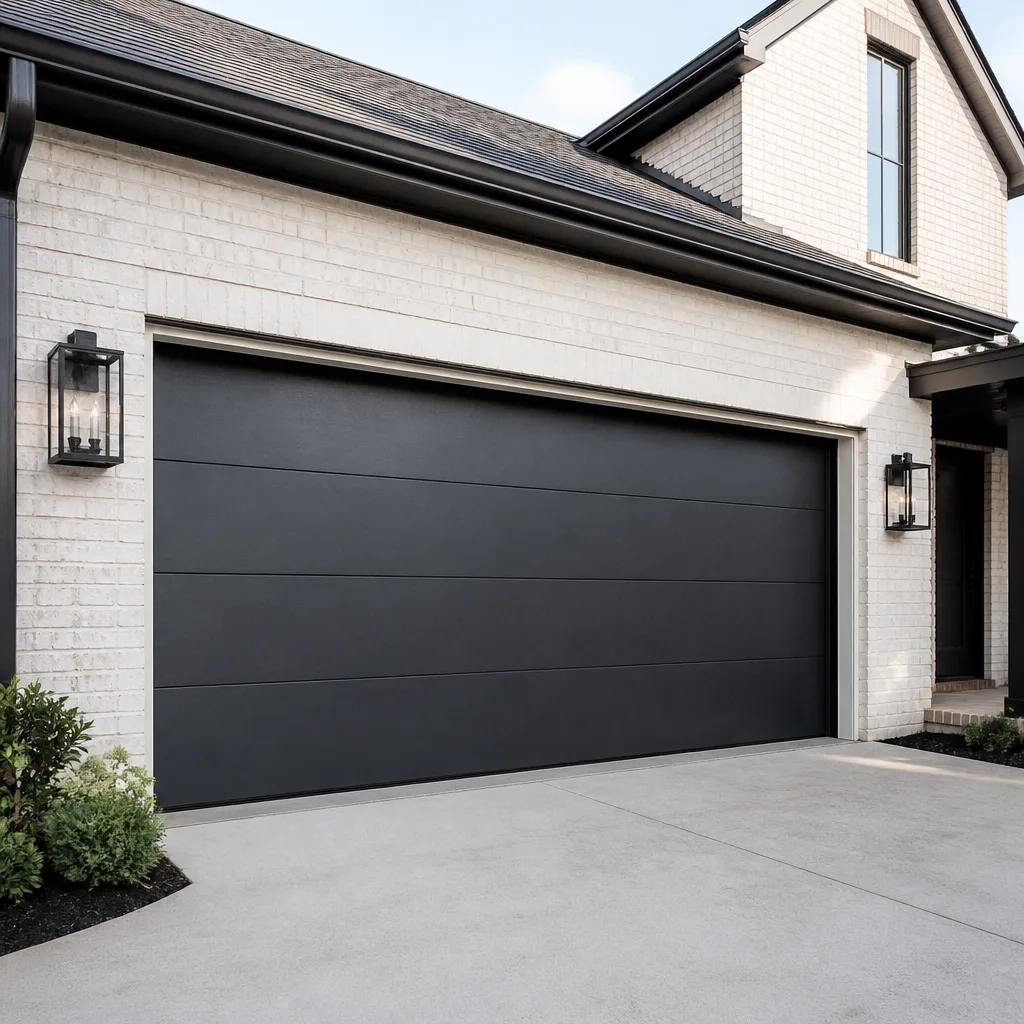 Modern flush
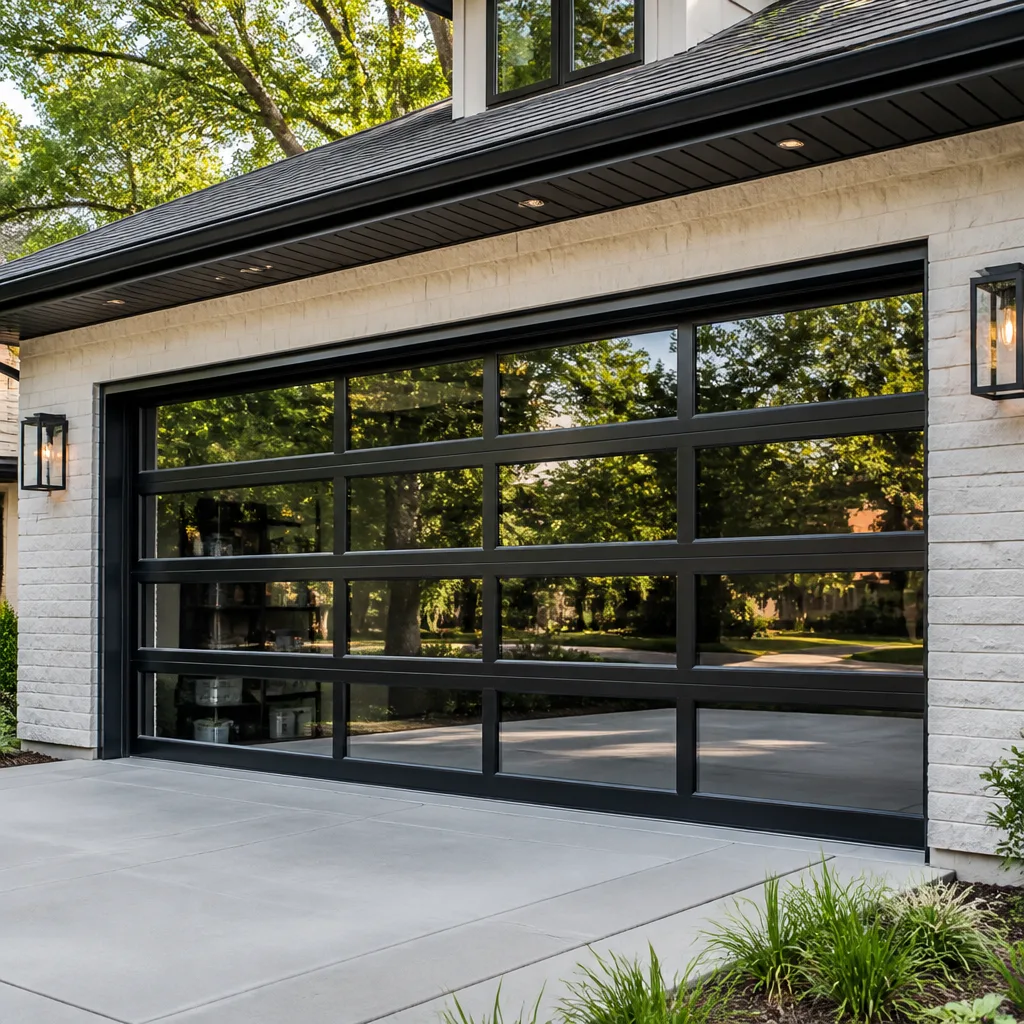 Full-view glass
 LiftMaster openers
 Chamberlain openers
Full 25-point door and opener safety check with every visit - springs, cables, rollers, tracks, and your LiftMaster or Chamberlain opener included
You get a price before we start. It does not change when the pro arrives.
Get your free estimateGarage Door Permits, Codes & Inspections in Apple Valley, MN: What You Need to Know
Most homeowners assume every garage door replacement needs a permit. In Apple Valley, it usually doesn’t. Swap a door for one the same size, same opening, same configuration, and you’re typically looking at maintenance, not a permitted construction project. Change the rough opening, reframe the header, or run a new electrical circuit for an opener, and the answer flips. The line between those two situations is narrower and less obvious than most contractors let on, and getting it wrong can create headaches at resale or during an insurance claim. This guide walks through how Apple Valley treats garage door work, what Minnesota’s building code says about the garage separation wall, what an inspection actually looks at, and how to sort out unpermitted work from a prior owner without over-engineering the whole process.
Quick Answer
In Apple Valley, MN, a like-for-like garage door replacement – same size, same opening, no structural or electrical changes – typically doesn’t require a building permit. You do need one when the work touches the structure: enlarging or moving the rough opening, cutting into or replacing framing and headers, altering the garage separation wall, or adding a new electrical circuit for an opener. When in doubt, call the City of Apple Valley building department and describe the scope before you buy anything. A short phone call settles the question and keeps the project clean.
Styles & brands we work with
- Raised-panel steel
- Carriage house
- Modern flush
- Full-view glass
- LiftMaster openers
- Chamberlain openers
Table of Contents
- When Does a Garage Door Project Need a Permit in Apple Valley?
- What Minnesota’s Building Code Says About Garage Separation Walls
- What the Inspection Actually Checks
- How Unpermitted Work Affects Homeowner’s Insurance
- Permits and Problems at Resale
- How to Permit Work a Previous Owner Did
- The Permit and Inspection Process, Step by Step
- When to Pull the Permit Yourself and When to Have a Professional Do It
When Does a Garage Door Project Need a Permit in Apple Valley?
The threshold comes down to one question: is the work maintenance or construction? A garage door is a moving assembly, and the door itself, the springs, the cables, the rollers, the track, and the opener are all things that wear out and get replaced. Replacing a worn door with a new one of the same dimensions in the same opening doesn’t change the building. It restores it. Most cities, Apple Valley included, treat that as maintenance and don’t require a building permit.
The moment the project changes the building, that changes too. Here’s the general split, and it’s worth confirming your specific scope with the City of Apple Valley building department before the work starts:
- New door, same opening, same size: usually no permit. This is the most common scenario for an Apple Valley homeowner replacing a worn steel door with a new one.
- New door, same opening, different style or material: usually no permit. A steel door swapped for an insulated Wayne Dalton or a Raynor model of the same size is still a like-for-like replacement.
- New opener, reusing the existing circuit and outlet: usually no permit. If the existing wiring is sound and you’re plugging into the same outlet, the electrical infrastructure isn’t changing.
- Enlarging or raising the rough opening: permit required. You’re cutting framing, possibly moving a header, and the structural load path changes.
- Replacing or modifying the header: permit required. This is structural work and gets inspected.
- New electrical circuit for an opener: permit required, and it’s usually an electrical permit, not a building permit. An existing circuit reused in place typically isn’t.
- Adding a new garage door opening to a wall that didn’t have one: permit required. New structural opening, new framing, new header.
Apple Valley homes range from older ramblers in the valleys to newer two-story builds further out, and the age of the framing matters. A twenty-year-old header that’s been quietly doing its job is fine to leave alone. Pulling it apart to fit a taller door is a different project, and the city will want to see the plan.
If you just want a door replacement and no structural change, our garage door repair service handles standard swaps without permits because the scope stays inside the maintenance definition. If the scope crosses into structural work, the licensed professional handling the job should confirm what the city will want.
What Minnesota’s Building Code Says About Garage Separation Walls
Minnesota’s residential code includes a section on garage separation, commonly cited as Section R309. The gist of it: when an attached garage shares a wall or ceiling with the living space, that separation has to resist fire long enough for occupants to get out. In Minnesota, that means a fire-rated separation between the garage and the house, with a self-closing door where the garage connects to the living space. It’s one of the reasons garage door work isn’t purely cosmetic.
Where this catches people is during door replacement. If the project touches that separation wall, including cutting a new opening, repairing water damage in the wall assembly, or rerouting the header, the project can trigger a compliance review of the fire-rated separation itself. If the existing separation was never right, or a previous owner opened it up, the review may surface that too.
What R309 does not do is require a permit for every door on the wall. The wall between the garage and the house is separate from the big overhead door on the front of the garage. You’re not going to get a fire-rated review of the wall because you replaced the overhead door. You can get drawn into one if the project involves the shared wall.
In practice, here’s what we tell Apple Valley homeowners when this comes up:
- If the work is confined to the overhead door and its tracks, springs, and opener, R309 isn’t triggered.
- If the work touches the wall separating the garage from the house, ask the building department whether the scope will require a fire-rating review.
- If your home was built or altered before the current code, the existing wall may not meet the current standard. That’s a separate issue from the door project, and worth understanding before you change anything.
We’re not code inspectors and we don’t issue determinations. What we do is make sure the door work we perform stays inside a scope that doesn’t create code problems. If the scope is going to cross that line, we’ll say so before the work begins.
What the Inspection Actually Checks
When a garage door project does require a permit, the inspection isn’t a mystery. It’s a fairly short list, and knowing what’s on it lets you prepare. The inspector’s job is to confirm the work matches the permitted plan and the structure is sound. That’s it.
Here’s what gets looked at:
- Framing: Are the new jack studs, king studs, sill plates and any cripple framing in place, sized to the plan, securely fastened, and in line with the surrounding wall?
- Header: Is the header the size called out on the plan, properly supported at each end, and bearing on real framing rather than packed material?
- Fasteners and connections: Are the nails, screws, and any straps or hangers the plan specifies actually there, in the right pattern?
- Rough opening: Does the framed opening match the paperwork? An inch off one way or the other is fine; a door that doesn’t fit because the opening is wrong is not.
- Electrical (if in scope): Is the new opener circuit run, protected, and terminated per the electrical permit, with the outlet in the right place and the connection sound?
- Garage separation (if in scope): If the work touched the wall between the garage and the house, does that assembly match what’s required?
- Final door installation: For some permits, the inspector confirms the door is hung, balanced, and safety hardware like the photo-eye reversal system on the opener is working. That last part is easy to fail: an opener with a misaligned or disconnected safety eye is a common finding.
Before the inspection, have these ready:
- The approved permit and one set of approved plans, or the approved drawings if you don’t have full plans.
- Any electrical permit and its inspection card if the opener circuit is in scope.
- A clear path to the work. Inspectors need safe access to the opening, the header, and the opener.
- Whoever performed the framing available or reachable by phone during the inspection. The inspector may have a question.
- The door manufacturer’s installation instructions if the inspector asks about anchoring or header requirements. LiftMaster and Chamberlain openers, in our experience, come with specific mounting instructions on the rail and header bracket that inspectors will occasionally reference.
Failing an inspection is almost always about missing information rather than bad work. Having the paperwork and access ready turns a scheduled inspection into a five-minute confirmation.
How Unpermitted Work Affects Homeowner’s Insurance
Insurance companies don’t refuse claims because a permit wasn’t pulled. They refuse claims when the loss traces back to work that wasn’t done to code, and an unpermitted project is often a marker for exactly that. If a garage door comes off its track, or a header fails, or an opener circuit faults and causes a fire, and the insurer’s adjuster discovers the assembly was altered outside the permitted process, the question shifts from “did a loss happen” to “was the work done properly.” That’s not a conversation anyone wants to have during a claim.
Garage door failures matter to insurers for a few reasons:
- Garage doors are heavy. A door or a spring that fails during use can injure someone or damage a vehicle parked underneath, which becomes a liability question.
- Opener circuits are electrical. An improperly wired circuit for a new opener is a real fire-adjacent risk, and that’s the sort of thing that gets examined after a fire.
- Structural changes to a garage affect the building’s load path. If the header over an enlarged door opening fails, the insurer will want to know whether the framing was engineered or permitted.
Here’s the practical takeaway. A permit and a passed inspection are the cleanest possible documentation that the work meets code. If the work is later involved in a claim, that documentation does the talking. If the work never went through a permit and a prior owner did it, that’s a different problem – and it’s covered below.
A broken spring is the most frequently botched garage door repair, and it’s also the one homeowners are most tempted to attempt themselves. We cover the safety side in our garage door spring repair page. From an insurance angle, the point is that unpermitted or DIY structural work can turn a straightforward claim into a coverage dispute.
Permits and Problems at Resale
A permit problem from a garage door project usually surfaces during a home inspection, sometimes years after the work was done. An inspector sees an enlarged opening, a new header, or a reworked opener circuit and asks whether it was permitted. If the homeowner doesn’t know, the buyer’s agent starts asking, and suddenly a project that cost almost nothing to permit is complicating a six-figure transaction.
What Apple Valley buyers and their inspectors typically flag:
- Enlarged or modified garage door openings: the inspector will look at the header and the surrounding framing. A brand-new opening in an old wall stands out.
- New electrical for an opener: exposed or amateur-looking wiring to the opener gets noted, and the buyer’s inspector will ask for the electrical permit if one exists.
- Mixed-age doors on a multi-car garage: a common project is to replace one door and leave the others. Usually not an issue, but if the replaced door is a different size or a different mounting, the inspector may ask why.
- Water damage repairs near a garage door: if rot at the door jamb was repaired with new framing, that’s a structural repair and often needed a permit.
The most common outcome is a request for documentation. If the homeowner can produce the permit and inspection record, the issue usually closes. If they can’t, the buyer may ask for a credit, ask the seller to permit the work retroactively, or ask for a structural engineer’s letter. Those are all solvable – but they cost time and money during a transaction that’s already under pressure.
In our experience, the fastest path through this at resale is to sort it out before the listing goes live. Pulling the record, or permitting the work after the fact, is far less stressful on your own schedule than during a buyer’s inspection contingency.
How to Permit Work a Previous Owner Did
Getting a permit after the fact isn’t the same as getting one before, and it isn’t a guaranteed process. But it’s a normal request the City of Apple Valley building department handles, especially for garage and basement work from prior owners. The general process looks like this:
- Find out what’s actually recorded. Request the permit history for your address from the City of Apple Valley building department. If the work was permitted, the record exists even if the physical permit card was lost. That’s a five-minute phone call and it answers the question definitively.
- Describe the work that was done. The building department will want to know when the work happened, roughly, what it involved, and whether it touched structure, framing, electrical, or the garage separation wall. Be honest about what you know and what you don’t. Guessing makes the process slower.
- Ask what they require for this specific scope. Depending on the work, the building department may want drawings, a site visit before issuing anything, or the involvement of a licensed trade for the electrical portion. Ask up front so you’re not back and forth.
- Apply for the permit as an after-the-fact application. Some cities call this a “permit for existing work.” The permit is issued, an inspection is scheduled, and the inspector evaluates what’s there.
- Be ready for corrective work. When the inspector looks at existing work, the standard is generally current code as it applies to the change. If something doesn’t meet it, you may be asked to bring the assembly into compliance. Sometimes that’s minor. Sometimes it’s the entire point of the process.
- Keep the record. Once the inspection passes, the permit and inspection record become part of your home’s file at the city and are available to future buyers and inspectors.
Two practical notes for Apple Valley homeowners. First, if the work is confined to the garage door itself, and no structural or electrical change was made, there’s usually nothing to permit retroactively. The project didn’t cross that line in the first place. Second, the process takes longer than most people expect, so start it well before listing if you’re planning to sell.
When the retroactive permit involves bringing the door assembly itself into compliance, the door, springs, cables, and opener are all part of what an inspector will look at. Our Garage Door Repair Apple Valley team can bring a door up to safe working order and make sure the opener side is correct. If the opener itself is part of the scope, our garage door opener repair service covers the LiftMaster and Chamberlain units that power the majority of Apple Valley homes, plus Genie, Craftsman, and the others we’ve worked on for years.
The Permit and Inspection Process, Step by Step
For a project that does require a permit, the sequence is straightforward. Here’s how it usually goes:
- Define the scope in writing. What door, what size, what opening, what framing or electrical changes, what gets touched on the garage separation wall. The permit application starts with a scope of work, so having it defined makes everything downstream faster.
- Call the City of Apple Valley building department. Describe the scope and ask what type of permit the work falls under: building, electrical, or both. This is the step people skip and then pay for later.
- Gather what the permit requires. Sometimes a simple drawing and product spec is enough. Sometimes the city will want more detail on the header or the framing plan. Ask exactly what’s required so you submit once.
- Submit the application and pay the permit fee. The fee depends on the scope and the valuation of the work; the building department will tell you the number when you apply.
- Wait for approval before starting work. A permit is not permission to start; it’s permission to start after the permit’s issued. Starting before that is unpermitted work even if the permit is in process.
- Schedule inspections at the right stages. Most permitted door projects need at least a framing inspection before the door goes in, plus a final inspection. If there’s electrical in scope, there’s an electrical inspection as well.
- Pass the final. Once the final inspection is approved, the permit is closed, and you have the documentation you need for resale and for your insurance record.
If a licensed garage door professional is doing the work, they should be doing the permitting as part of the job. If the door is going into an existing opening with no structural or electrical change, there’s typically nothing to permit at all, and the project is a straight replacement. That’s the majority of the work we do in Apple Valley – a worn steel door swapped for a new one, a Wayne Dalton or LiftMaster system refreshed, springs replaced, opener diagnosed and repaired.
When to Pull the Permit Yourself and When to Have a Professional Do It
Pulling a permit as a homeowner for work on your own house is allowed in most jurisdictions for structural and simple electrical work, but the garage door is not the project to learn on. Two reasons. First, when the door assembly itself is part of what an inspector evaluates, a homeowner-installed door can fail inspection on reversing safety hardware alone – the photo-eye system on a LiftMaster or Chamberlain opener is specific and the alignment tolerance is narrow. Second, garage door springs are the most dangerous component in the system, and they’re the part most often botched by DIY attempts.
Our position is simple. If you’re replacing the door and no framing or electrical change is involved, no permit is required in most cases, and the work should be done by a trained technician because of the springs, cables, and counterbalance system. If the project does cross into structural or electrical scope, a licensed professional should be the one pulling the permit and taking the inspection, because they’ll be on site for the framing inspection and the final.
What we do well is the door side. From a single broken spring to a full door replacement, our technicians have up to 15 years of experience and work on all the major residential brands – LiftMaster, Chamberlain, Genie, Clopay, Amarr, Wayne Dalton, Craftsman, and Raynor. Where a general handyman guesses at the problem, we diagnose it correctly before the first repair. That includes making sure the door assembly can pass the final inspection when a permit is in scope.
If a door fails and you need it back in service fast, we run emergency garage door service for stuck doors, broken springs, and doors that won’t close. We answer 24/7. Fast dispatch from 7am to 7pm, Sunday through Friday. The written estimate you get is the price you pay; we agree the number before any work starts.
Common Mistakes to Avoid
- Assuming every replacement needs a permit. Most like-for-like door swaps in Apple Valley don’t. Assuming they do can add weeks and cost to a simple replacement. Ask the building department about your specific scope, not about “garage doors” in general.
- Assuming no replacement ever needs a permit. Enlarging the opening, adding or replacing a header, and running a new electrical circuit are all different projects, and all of them are the kind of work a permit exists for. The distinction is structural and electrical scope, not the door itself.
- Forgetting the opener circuit. A new opener plugged into an existing outlet is usually fine. A new outlet run across the ceiling to reach the opener is an electrical permit. Homeowners regularly miss this and only learn it when the frame inspection doesn’t cover the electrical work.
- Starting work before the permit is issued. Applying for a permit and starting work the same day isn’t how it works. The permit has to be issued first, and the inspections have to be scheduled around the work, not after it.
- Ignoring the garage separation wall. If the door project crosses into the wall between the garage and the house, the fire-rated separation may come into scope. That’s a different review from the door itself, and it’s worth asking about explicitly with the City of Apple Valley building department.
- Not keeping the inspection record. The permit and the passed inspection are your documentation. Save the paperwork, and if you’re buying a home in Apple Valley, ask the seller for the permit history on the garage.
- Letting a prior owner’s unpermitted work sit. If a previous owner enlarged the garage opening or ran electrical to the opener without a permit, that’s now a question at resale or at claim time. Request the permit history from the city now, before it’s a problem.
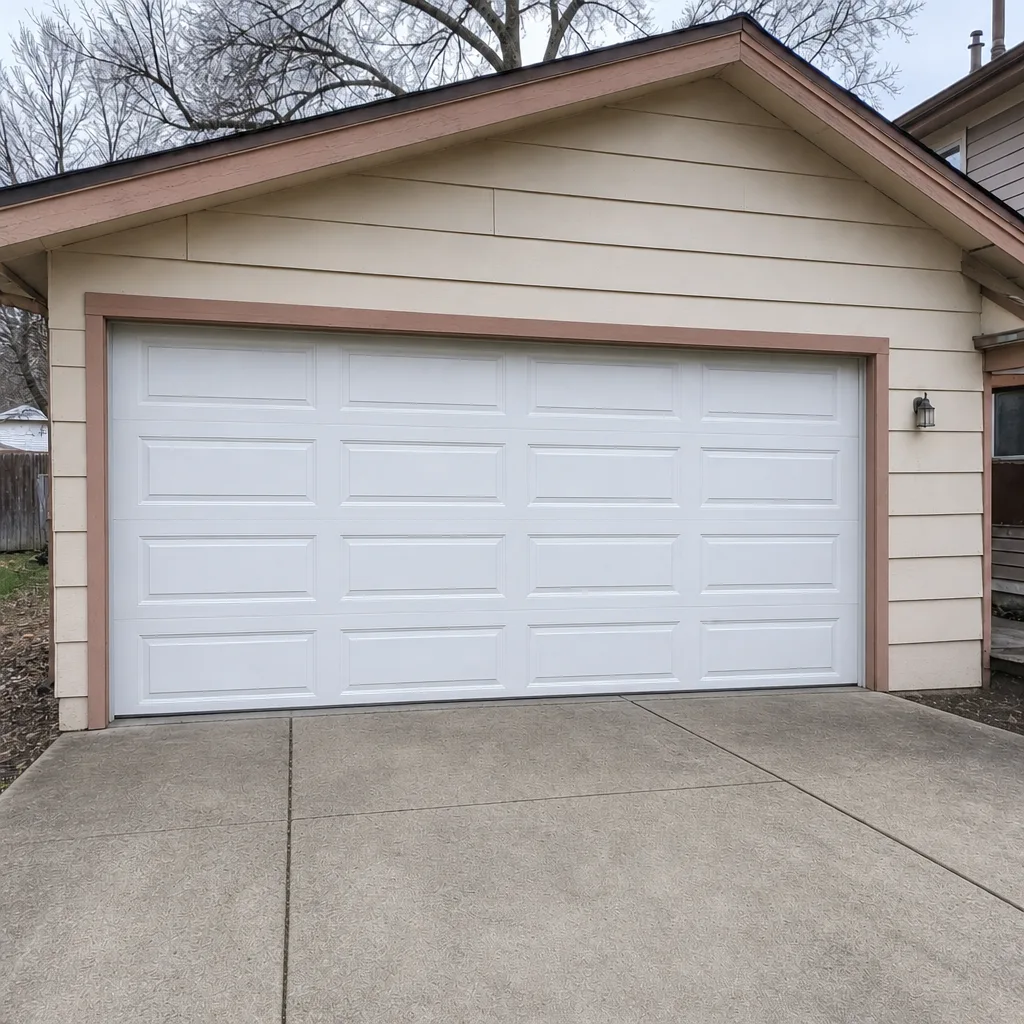
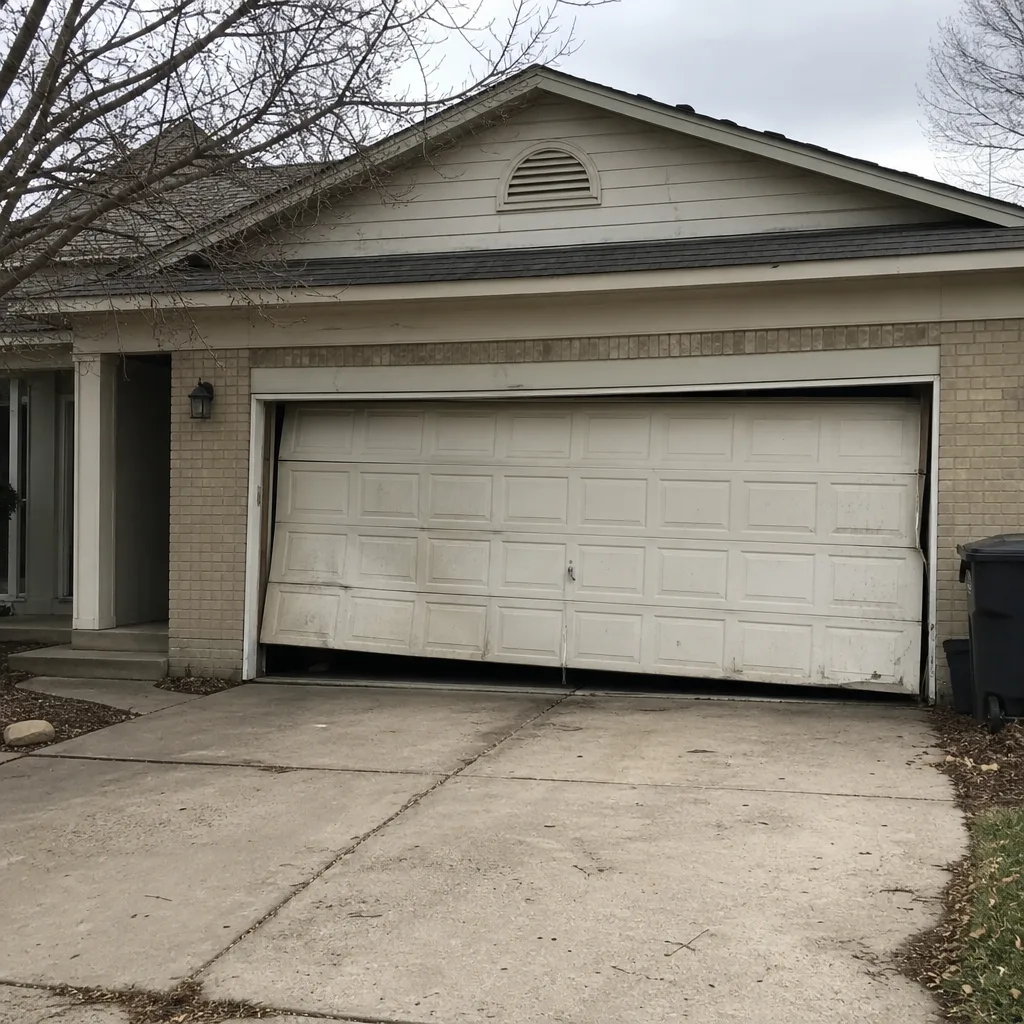
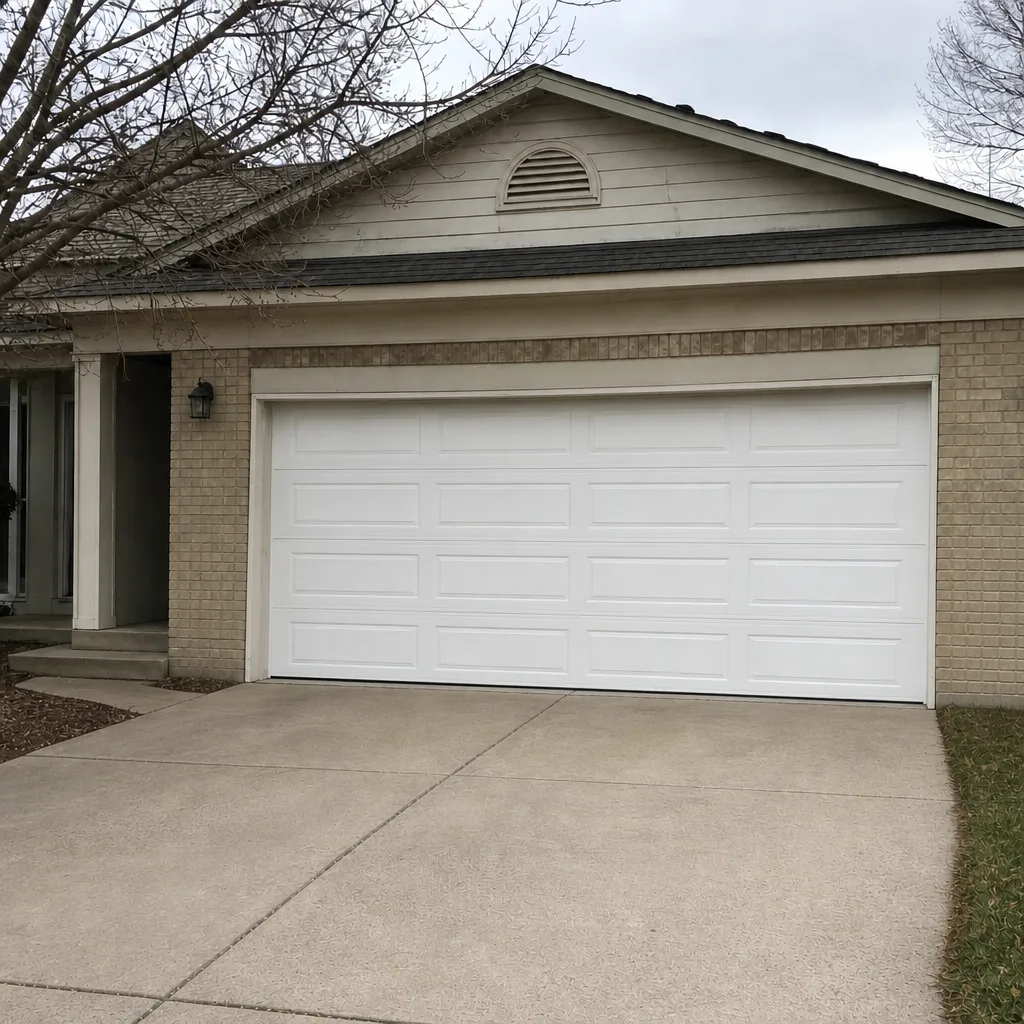
See the difference
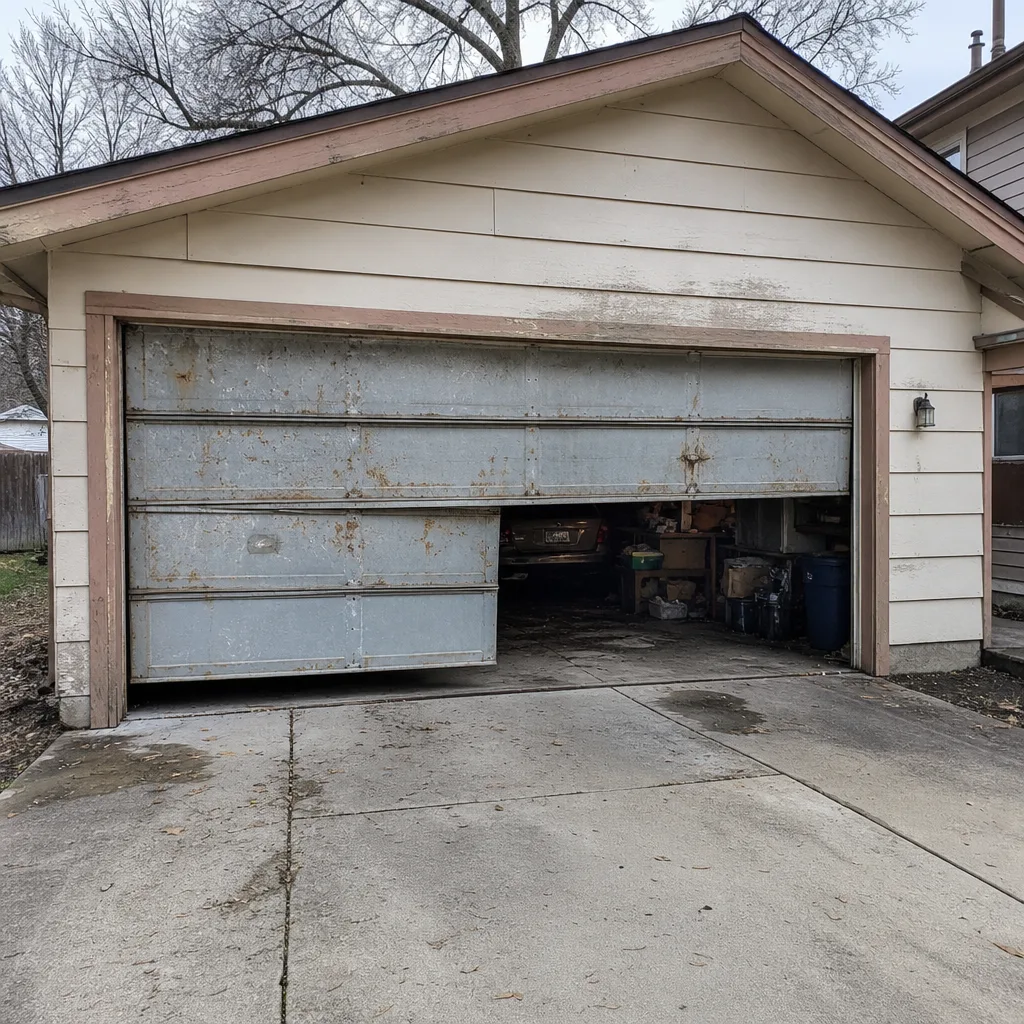 Before
 After
 Before
 After
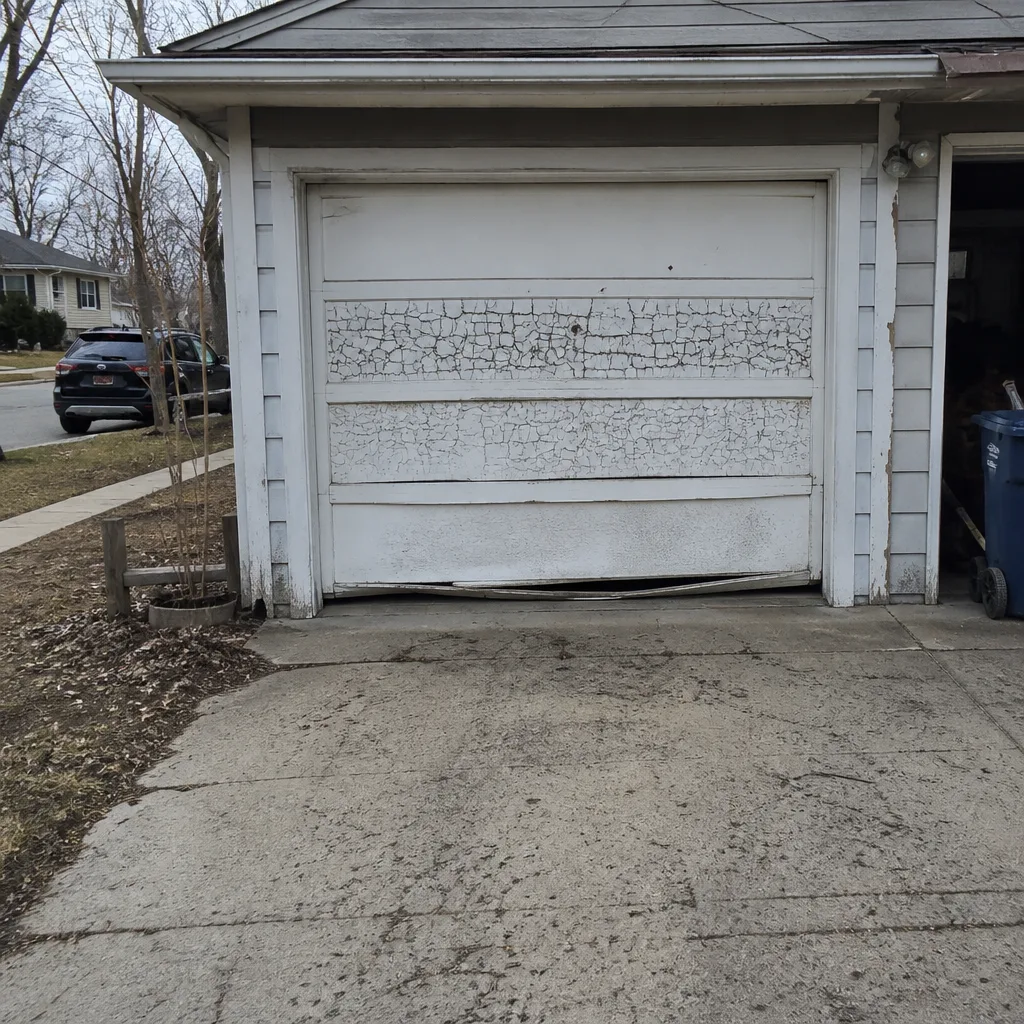 Before
 After
When to Call a Professional
There are a few situations where a garage door professional is the right call, and Apple Valley homeowners run into them regularly. A broken spring is the clearest one: the springs and cables are under extreme tension, and a DIY repair is genuinely dangerous. A door that won’t open or close and has left the property unsecured is the second, and that’s a call to make now, not next week. A door that has come off track, a door with visible cable damage, a door that reverses on its own during closing, and an opener that’s failing intermittently all need a trained technician’s diagnosis before the first repair, not after the second attempt.
If the project crosses into structural or electrical scope and needs a permit, the licensed professional should be handling the permit and the inspection as part of the job. Garage Door Repair Apple Valley offers free estimates in Apple Valley. Call (844) 623-0656. We answer 24/7. Fast dispatch from 7am to 7pm, Sunday through Friday.
Frequently Asked Questions
Usually no, if the replacement is like-for-like – same size, same opening, no structural or electrical change. You do need a permit if the project changes the rough opening, replaces or modifies the header, adds a new garage door opening to a wall, or runs a new electrical circuit for an opener. Call the City of Apple Valley building department with your specific scope to confirm. Call (844) 623-0656 for a free estimate on the door work itself.
Not if it plugs into an existing outlet on an existing circuit. If the project requires a new circuit or a new outlet location, it needs an electrical permit. The distinction is whether the electrical infrastructure changes. A LiftMaster or Chamberlain opener swapped into the existing mounting position doesn’t usually cross that line. If you’re not sure which situation you’re in, ask the building department before the work starts. Call (844) 623-0656 for an exact quote on the opener work.
Framing, header size and support, fasteners, the rough opening dimensions, and any electrical that’s in scope. For a permitted project, the inspector checks that the work matches the approved plan and the assembly is sound. The final inspection may also confirm the door is hung and balanced and that the opener’s photo-eye reversal system is working. Have the approved permit, plans, and clear access ready. Call (844) 623-0656 for an exact quote on the door portion of a permitted project.
Yes, and it’s a normal request the City of Apple Valley building department handles. Request the permit history for your address first, describe the work that was done, ask what the city requires for that scope, and submit an after-the-fact application. The inspector will look at what’s there and may require corrective work if it doesn’t meet current code for the change. If the door assembly itself is part of what has to come into compliance, call (844) 623-0656 for an exact quote.
Insurers refuse claims when a loss traces back to work that wasn’t done to code, not simply because a permit was skipped. The risk is that unpermitted work is often a sign the work wasn’t inspected or done to standard. A permit and a passed inspection are the cleanest documentation that the work meets code. If a door-related incident is later examined, that paperwork does the talking. Call (844) 623-0656 for an exact quote on bringing the work up to standard.
Yes, on door-only work where no structural or electrical change is in scope, there’s typically nothing to permit. On projects that do require a permit, we can work alongside whatever licensed trade or professional is pulling the permit for the structural or electrical scope. The written estimate sets the price for the door work before anything starts. Call (844) 623-0656 for an exact quote – estimates are free.
The Bottom Line
Most garage door replacements in Apple Valley don’t require a permit. The projects that do are the ones that change the building – a modified rough opening, a new header, new framing, a new electrical circuit, or work that crosses into the garage separation wall. If you’re unsure which situation you’re in, the City of Apple Valley building department can settle it with one phone call. A permit and a passed inspection are cheap insurance at resale and during an insurance claim. If the door itself is the issue – springs, opener, track, or a full replacement – that’s the work we handle. From a single broken spring to a full door replacement, we diagnose before the first repair, and the written estimate sets the price before the work starts.
Call (844) 623-0656 for a free estimate. We answer 24/7. Fast dispatch from 7am to 7pm, Sunday through Friday.
Written by the team at Garage Door Repair Apple Valley.