
Last updated November 22, 2026
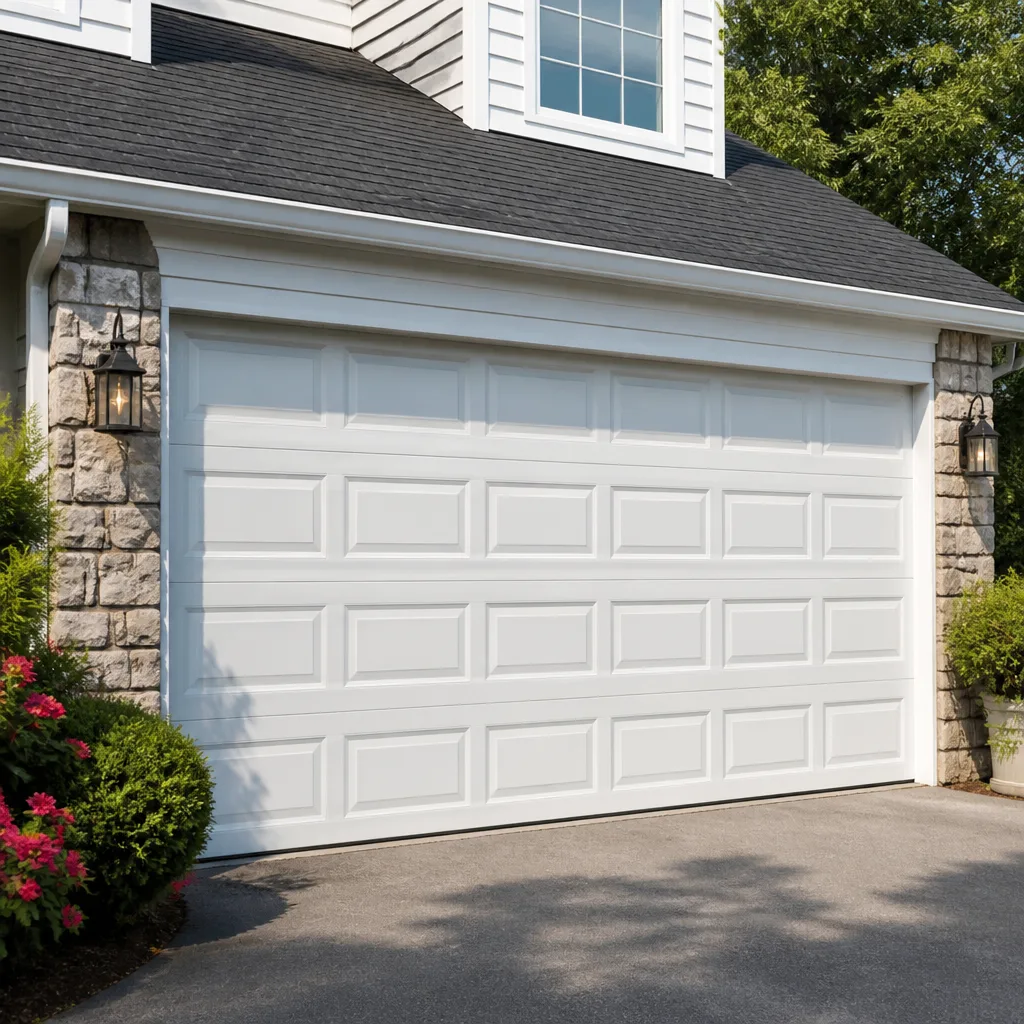 Raised-panel steel
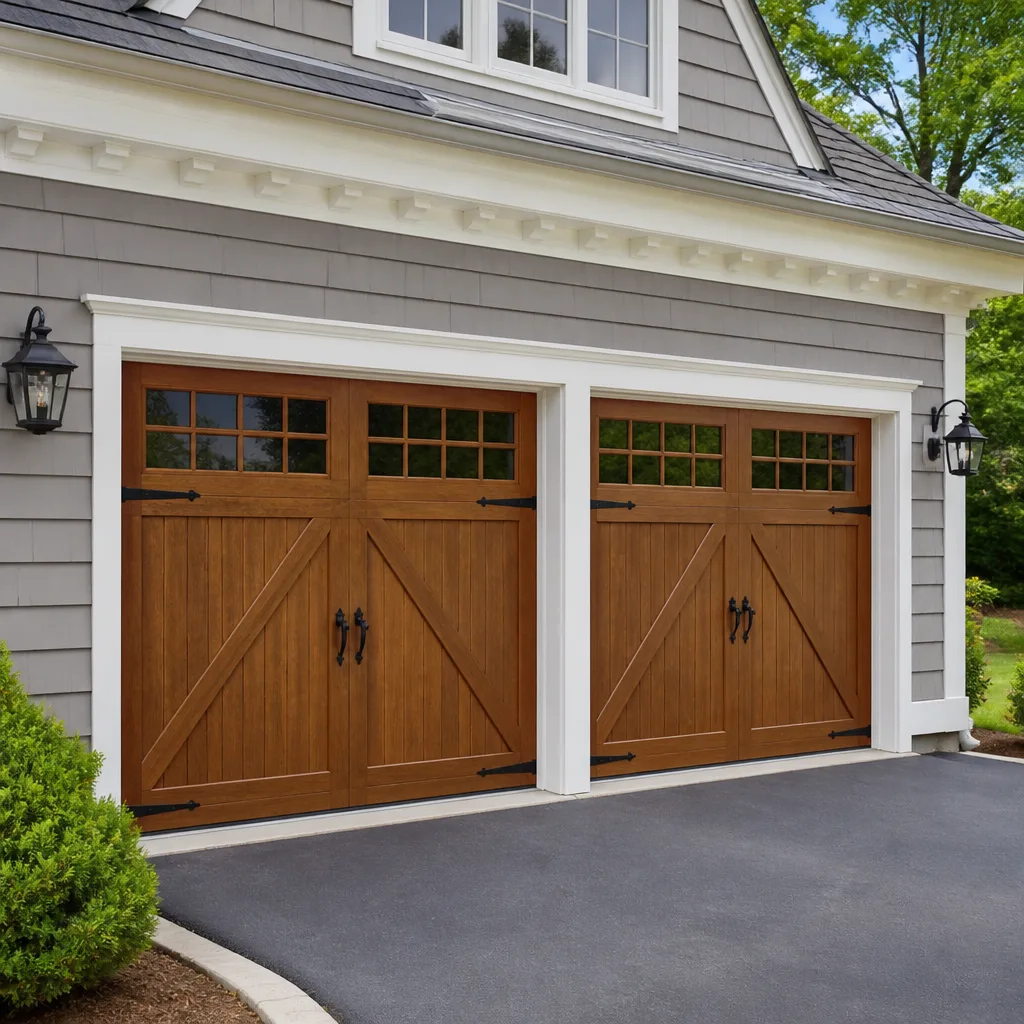 Carriage house
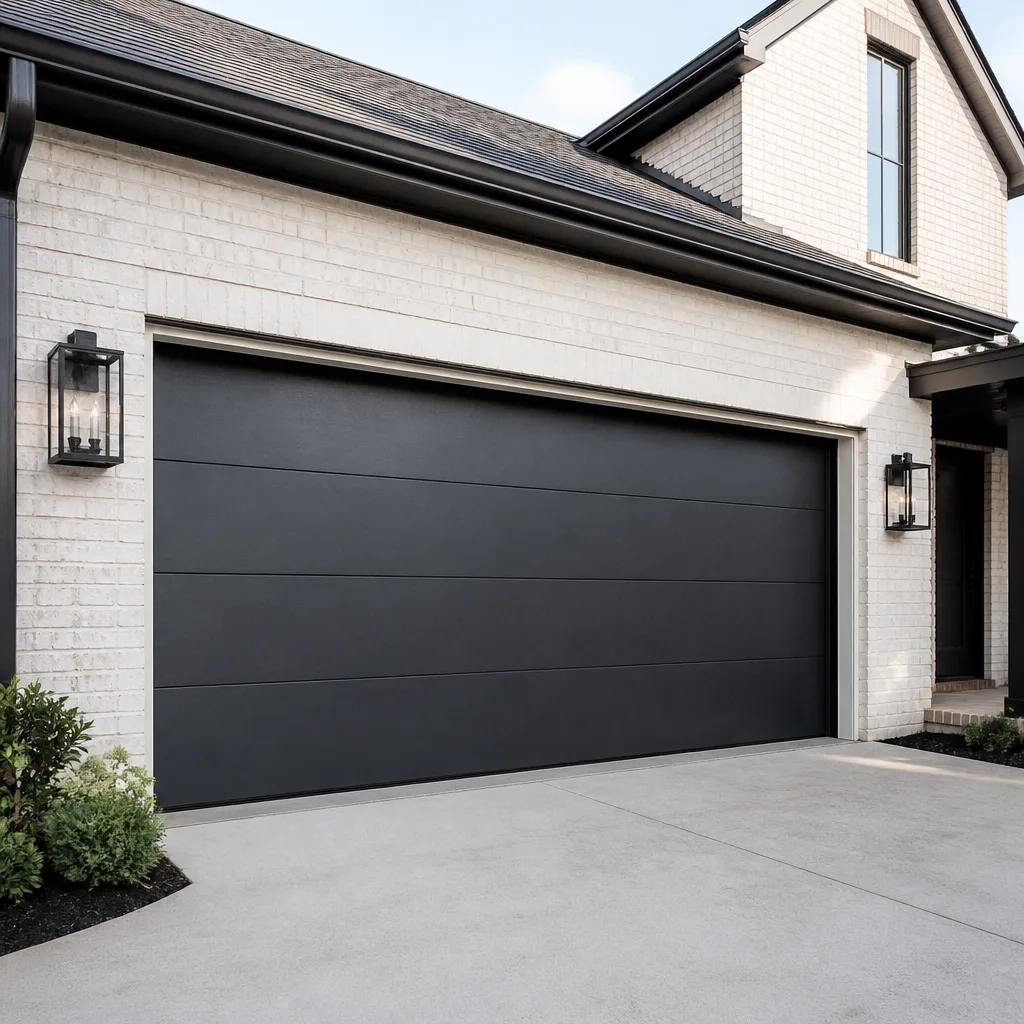 Modern flush
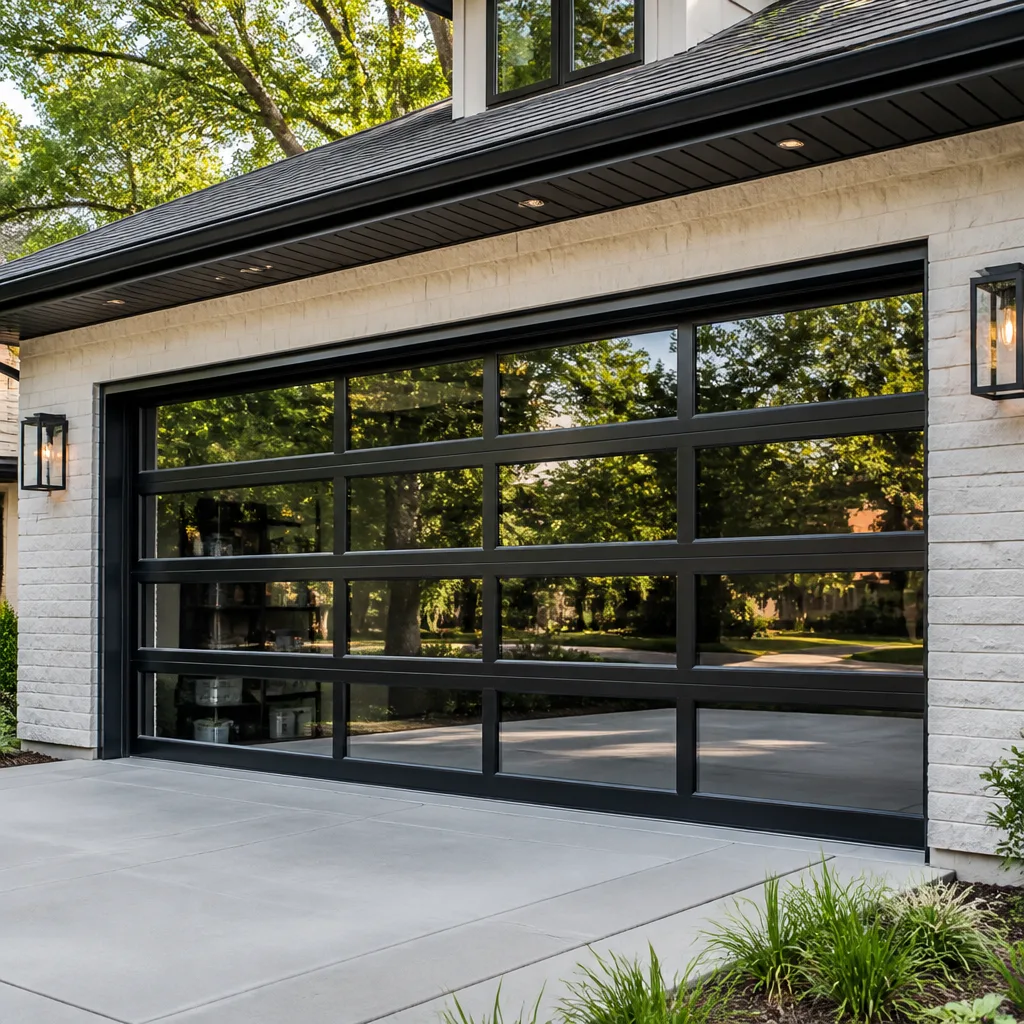 Full-view glass
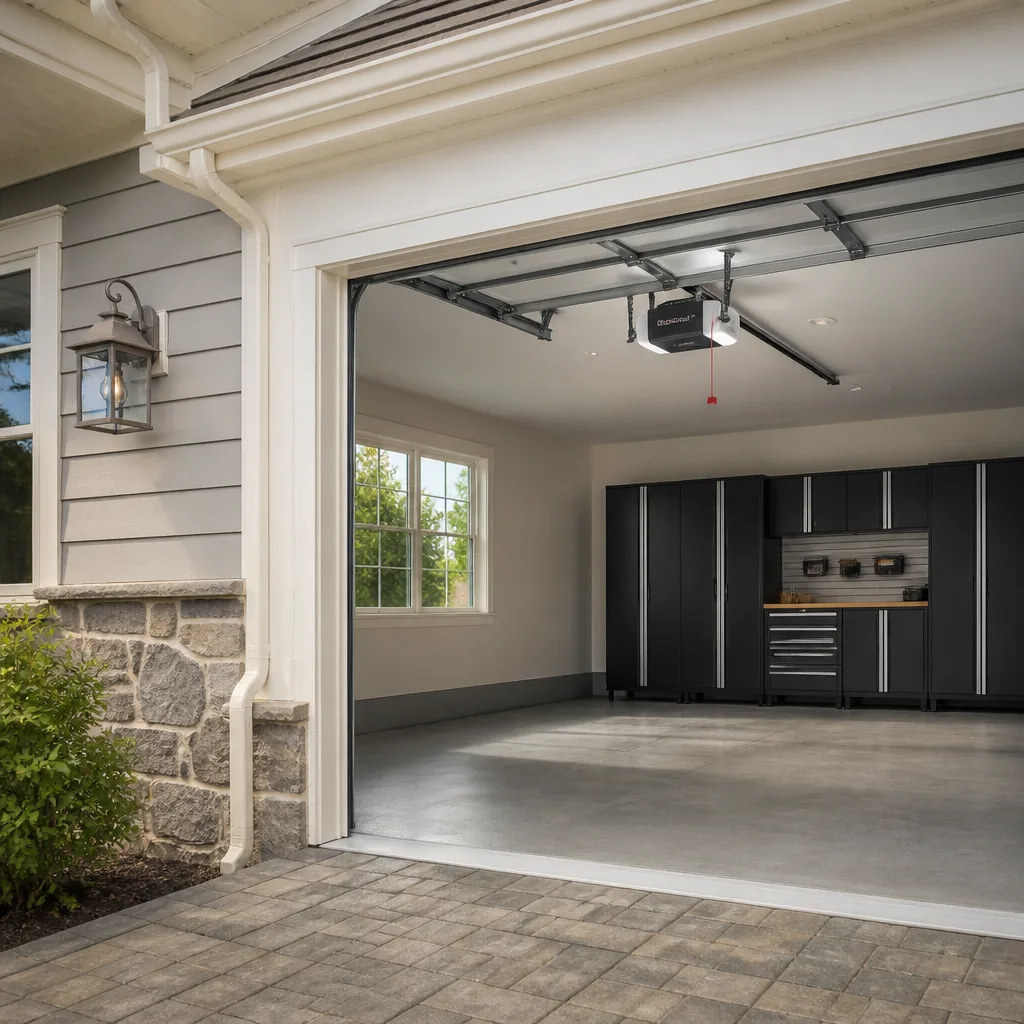 LiftMaster openers
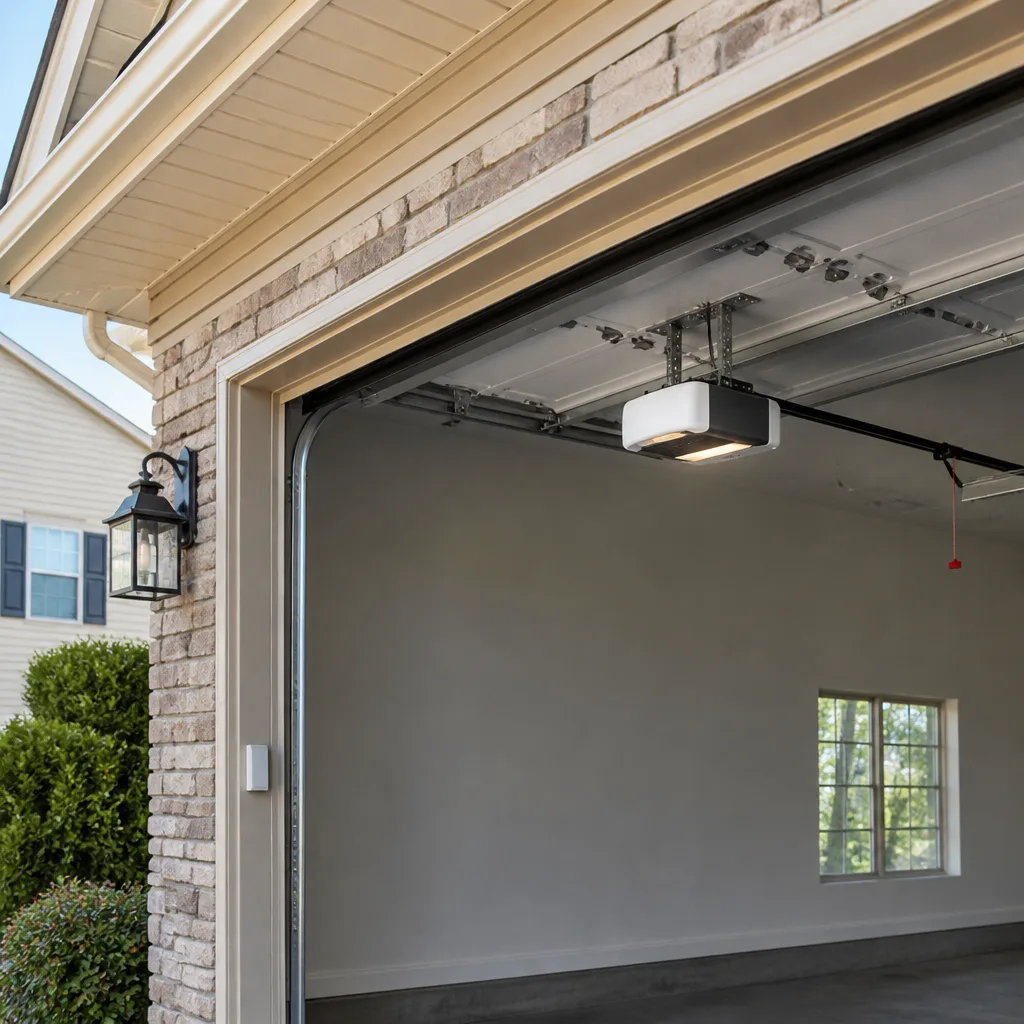 Chamberlain openers
Full 25-point door and opener safety check with every visit - springs, cables, rollers, tracks, and your LiftMaster or Chamberlain opener included
You get a price before we start. It does not change when the pro arrives.
Get your free estimateGarage Door Warning Signs: An Apple Valley Homeowner’s Reference Guide
Most warning-sign lists tell you what a failing door already does: it grinds, it shudders, it won’t close. By the time those symptoms show up in Apple Valley, the cheap fix has usually passed. The useful skill is reading the small things a door does before a failure, when the problem is still a spring losing tension or a roller wearing flat, not a snapped cable or a dead motor. This guide works backward from how garage doors actually fail and shows you the early signals that come first. You’ll learn the sound each failure mode makes, the hardware wear that predicts a breakdown weeks ahead of it, and the opener behavior that separates a mechanical problem from an electronics problem.
Quick Answer
In Apple Valley, the earliest reliable garage door warning signs are a half-second hesitation before the door moves, a thin gap widening between spring coils, a slight tilt where one side runs lower than the other, and a door that reverses without anything in its path. Each of these points to a spring, cable or opener load problem that costs far less to correct early than after a component fails outright. Catching them means you’re booking a repair on your schedule instead of dealing with a door stuck open on a cold Apple Valley morning.
Styles & brands we work with
- Raised-panel steel
- Carriage house
- Modern flush
- Full-view glass
- LiftMaster openers
- Chamberlain openers
Table of Contents
- What do the sounds your garage door makes actually mean?
- Which hardware wear patterns predict a failure 30 to 90 days out?
- How do you tell an opener load problem from a logic board issue?
- Why is your door uneven on one side, and why is it rarely the track?
- What does the reversal test actually measure?
- How do Apple Valley winters change which warning signs matter?
- Does the brand of your door or opener change what you watch for?
- When should you call versus keep watching?
What do the sounds your garage door makes actually mean?
A garage door tells you which part is failing before it fails, but only if you know which sound belongs to which component. Three failure modes account for most of what Apple Valley homeowners hear, and they sound nothing alike once you know what to listen for. Put your hand on the door panel and run it one full cycle. Then listen.
Torsion spring fatigue is the quietest and most dangerous of the three. A healthy torsion spring under load doesn’t talk much. As it loses tension, the door gets heavier for the opener to lift, and the noise you hear is a low, labored hum from the motor, sometimes with a soft flutter as the door hesitates near the top or bottom. The door may sag slightly when parked open. The spring hasn’t broken – it’s just fatigued, and fatigue means less lift assistance, more strain on the opener, and a break that’s coming. This is the warning sign most homeowners miss because the door still opens.
Roller bearing wear is a rolling, rumbling sound, a bit like a shopping cart with a bad wheel. It rises and falls with the door’s position and gets worse in cold weather. A worn steel roller with a dry or seized bearing drags rather than rolls, which you can sometimes feel as a stutter when you push the door by hand. Left alone, the flat-spotted roller chews at the track and loads up the opener motor. Replacing rollers is a routine service call.
Cable fraying is the sharpest of the three: a faint metallic creak or tick, often near the bottom corners of the door where the cable winds onto the drum. A fraying cable makes a sound like a fishing line under tension, and you’ll usually hear it more on the way down. This is the one that deserves the most respect. A cable under tension can snap and whip, which is a serious hazard, and a frayed cable is not something to keep cycling while you decide what to do. If you hear ticking from the cable area, stop using the door and have it looked at.
One more sound to note: a single loud crack from the torsion bar area followed by a sudden loss of lift usually means a spring has already broken. That’s not a warning – that’s a failure, and it needs a trained technician. Garage door springs are the most dangerous component in the system and this is not a DIY job. When the door is stuck and the house needs securing, that’s the moment to call for Garage Door Repair Apple Valley.
Which hardware wear patterns predict a failure 30 to 90 days out?
Wear you can see is wear you can act on before it takes the door out of service. Run this check once a season, and again right before the first hard freeze in Apple Valley. Four visual patterns are strong predictors of a component that’s about to fail.
- Spring coil gaps. On a torsion spring, look at the coils. A healthy spring has coils that sit close together under load. If you see a thin gap widening between coils – one section of the spring looking stretched compared to the rest – that spring is losing tension unevenly and is likely to break. A matched pair is usually replaced together, since the second spring is the same age and under the same load.
- Cable kinking. Run your eyes down each cable where it comes off the drum and runs along the track. A cable that’s developing a kink, a tight curl, or a frayed patch of broken strands is on its way to failing. Cables should run straight and smooth. Any kink is a replacement item, not something to straighten out and reuse.
- Roller wear tracks. Look at the rollers inside the track. The nylon or steel wheel should be round. A wheel with a flat spot, or a track with a bright wear line where a roller has been dragging, means that roller is close to seizing. Worn rollers also tend to wear in pairs, so if one is flat, expect its neighbor to follow.
- Hinge and fastener slack. Hinges connect panels and carry real load. A hinge with a slightly loose plate or a fastener that has begun to work loose is a stress point that will eventually strip the panel. Tighten-and-check, or replace, before a hinge tears out.
In our experience, a spring with a visible coil gap or a cable with a developing kink tends to give out within a season or two – the pattern accelerates in cold weather. The point of the visual check is to catch these roughly 30 to 90 days before a failure, while the fix is still a planned service call rather than an emergency.
How do you tell an opener load problem from a logic board issue?
An opener that misbehaves has one of two causes, and the two need very different fixes. The shortcut: mechanical load problems show up as strain during movement, while logic board problems show up as nonsense with power, remotes, or the safety beam. Match the behavior to the right column before you call.
- Load problem signals. The door hesitates or stalls partway up, then recovers. The motor hums but the door barely moves. The opener strains more when lifting than when lowering. The door gets slower as it climbs. The opener shuts off mid-cycle and works again after a pause – that’s a motor protecting itself against overload, which means it’s fighting a heavy door, a binding track, or a tired spring.
- Logic board signals. The opener loses memory of remote codes. The wall control and remotes behave differently. The safety beam indicator flickers when nothing is in the way. The opener clicks but does nothing, repeatedly. The light comes on without the motor running. None of these have anything to do with the door’s weight.
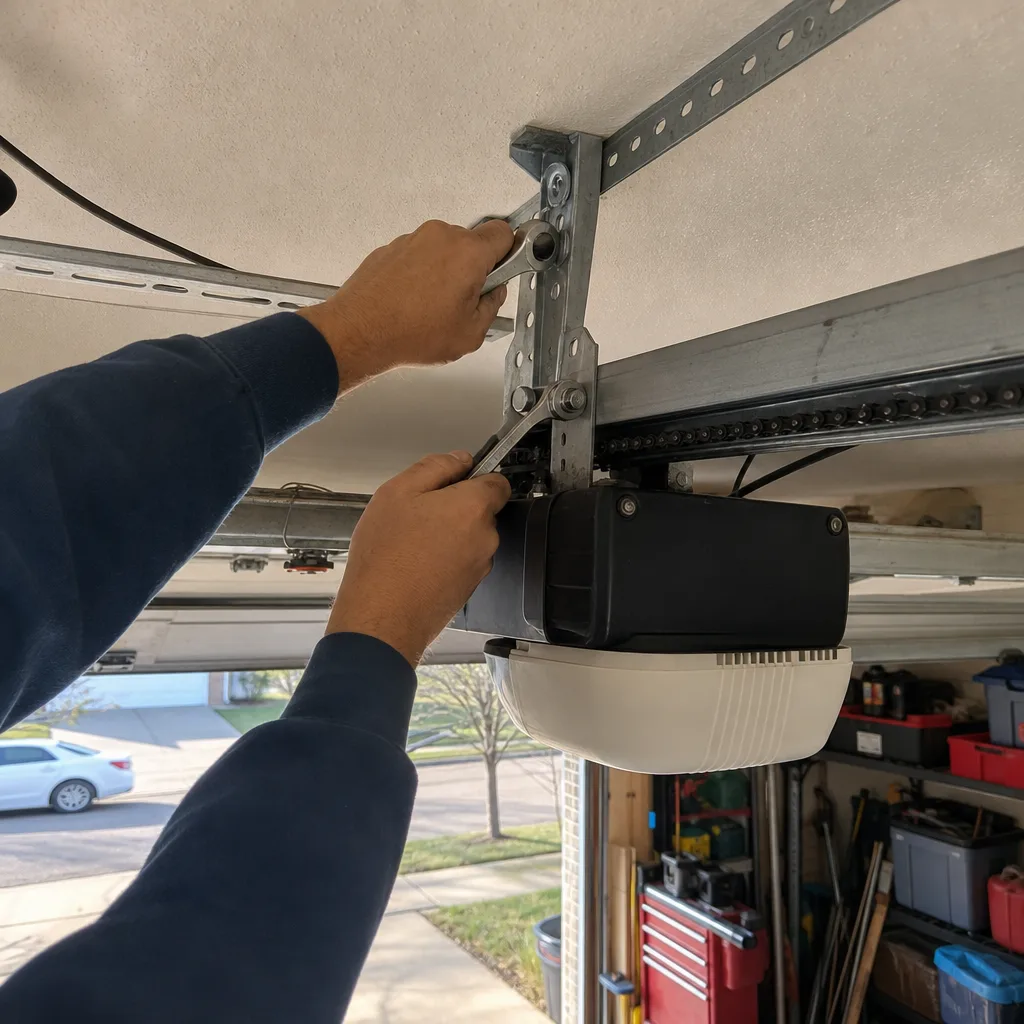
Here’s why the distinction matters. If you replace the opener when the real problem is a fatigued spring, the new motor inherits the same load and wears out faster. And if you replace a spring when the real problem is a failing logic board, you’ve fixed nothing and the door still won’t run. The right diagnosis comes before the first repair. We work on the major opener brands – LiftMaster, Chamberlain, Genie, Craftsman and others – and we start by checking what the motor is actually fighting, not just what it’s reporting. If you’re not sure which column your door falls into, garage door opener repair begins with that diagnosis.
Why is your door uneven on one side, and why is it rarely the track?
A door that sits crooked is one of the most misdiagnosed problems in the trade. The instinct is to blame the track, because the track is the visible guide the door runs on. But a door that goes up tilted and comes down tilted, or drops farther on one side than the other, is almost never a track problem. It’s a lift-balance problem: one side of the door is being lifted with less assistance than the other.
On a torsion system, a single spring (or a pair acting together) provides the counterbalance. On an extension system, a separate spring on each side lifts each side of the door. When one spring fatigues, or one cable loses tension, or a cable slips its drum on one side, the door becomes heavier on that side and the horizontal bar climbs crooked. The track itself is usually fine – a worn track makes the door drag or catch, but it rarely makes the door run higher on one side than the other.
Why this matters: if you treat an uneven door as a track problem and just straighten the track, the door still runs crooked because the real issue was never alignment. Worse, an uneven door loads one side of the opener and the corresponding hardware unevenly, which wears the panel and hinge over time. In our experience, an evenly-tilted door points to a spring or cable that needs attention, and that’s a component to inspect rather than adjust.
The same logic applies to a door that’s hard to lift by hand. A counterbalanced door should lift easily and stay roughly where you leave it. If it slams down or feels significantly heavier than it used to, the counterbalance has lost tension. Getting that right is the heart of garage door spring repair, and it’s a job for trained hands and proper winding tools, not a home toolkit.
What does the reversal test actually measure?
The reversal test measures one thing: that the door reverses when it meets resistance. It does not, on its own, prove the safety system is functioning correctly. That gap catches a lot of homeowners who feel reassured after a passing test when a component of the safety system has quietly stopped working.
The standard check is simple. With the door on the way down, place a solid object in its path near the floor and confirm the door reverses when it contacts it. Many openers also have a force-setting adjustment on the motor head. Passing this test means the motor’s resistance sensor and the down-travel limit are in reasonable agreement at that moment.
Here’s what the test doesn’t check:
- The photoelectric safety beam. On most modern openers, an infrared beam across the door opening stops and reverses the door if anything breaks the beam. If that beam’s lens is dirty, misaligned, or the wire has been damaged, the door may still pass a contact reversal test while the beam no longer protects anyone walking through. Test the beam separately by breaking it with your hand while the door is closing and confirming the door reverses.
- The force setting drift. An opener that has been adjusted to push through a sticky track can pass the reversal test with an object but fail to protect a person, because the force threshold is set too high. Passing the test does not tell you where the opener’s force threshold actually sits.
- The balance of the door. A door that’s out of balance can behave unpredictably at the extremes of travel regardless of the reversal setting.
The reversal test is a useful monthly check, and you should run it. Just don’t treat passing it as confirmation that everything is fine. If the door reverses with nothing in its path, that’s a signal in itself – often a safety beam issue or a force setting that needs attention – and it’s worth a professional look. Good preventive practice is covered in our garage door repair service, which starts with the safety system before it touches anything else.
How do Apple Valley winters change which warning signs matter?
Cold changes which components fail first. Apple Valley’s freeze-thaw winters – with weeks of hard cold and the ground moving under the driveway – put more stress on springs, cables, and the door’s seals than warm weather does, and they make the early warnings more important to catch.
Metal contracts in the cold. A torsion spring that was near the end of its life in October is more likely to snap during the first deep cold snap. The same applies to a cable that was starting to kink. This is why the visual check before the first freeze is worth doing: a spring with a coil gap, or a cable with a developing kink, is the one most likely to fail on the coldest morning of the year, exactly when a door stuck open is worst.
Roller and track problems get noisier in the cold. Cold grease and cold nylon rollers drag. A roller that was marginal in fall will start rumbling in January. If your door is noticeably louder in winter than it was in summer, that’s the cold amplifying a wear problem, not a new problem appearing from nowhere.
Snow, ice and sand at the threshold. Grit and road sand that gets tracked into the garage can pack into the track and the bottom seal. That’s a maintenance item, but it’s also a way a door’s safety sensor gets blocked or a track gets physically packed. A quick sweep of the track and a check of the bottom seal is part of the seasonal routine in Apple Valley.
We see this cycle every year: the warning signs are there in the fall, they get ignored, and the door fails on the coldest week. Catching them in fall is a repair; catching them in January is often an emergency. If the door won’t wait and the house needs securing, we’re set up for emergency service. Call (844) 623-0656. We answer 24/7. Fast dispatch from 7am to 7pm, Sunday through Friday.
Does the brand of your door or opener change what you watch for?
The brand matters less than you’d think for the failure modes in this guide, but it matters a great deal for what the fix involves. The core wear items – springs, cables, rollers, hinges – behave the same way across Clopay, Amarr, Wayne Dalton and Craftsman doors because the hardware under the panels is similar. What changes is parts compatibility, opener logic, and the specific quirks each system has.
We work on 8 of the most common residential dooor and opener brands, including LiftMaster, Chamberlain, Genie, Clopay, Amarr, Wayne Dalton, Craftsman and Raynor. That matters when a warning sign becomes a repair: we know the parts, the torque specs, and the opener behavior that belongs to your system, so we don’t spend a service call guessing at a brand we don’t know. A Clopay door with a Wayne Dalton opener is not a problem for us; it’s a matter of matching the right spring to the door’s weight rating and the right opener diagnostic to the motor’s logic.
For the homeowner, the practical rule is simple. Watch the symptoms, not the label. A hesitation before movement, a coil gap in the spring, a roller that rumbles in cold weather – those mean the same thing whether the door was made by Amarr or Clopay. The brand becomes important when you call, because the technician needs to bring the right parts the first time. That’s why we ask for the brand and model when you book, and why we can usually confirm what we’ll need before we head out.
If you’ve got a newer opener with a smart hub or app, add one more watch item: whether the app reports an obstruction the door doesn’t show. That’s a logic or safety sensor problem, and it’s worth a call because it can leave a door that won’t close.
When should you call versus keep watching?
The decision comes down to three questions: is there a safety component involved, is the door still operating normally, and is the symptom getting worse. Most warning signs sit in a gray zone where a quick call is cheap and a failed component is not.
- Call now, don’t cycle the door again. Any ticking or creaking from the cable area. A bent track. A door that dropped suddenly on one side. A spring that has clearly broken (a loud crack, then no lift). Anything that leaves the house unsecured or a vehicle trapped.
- Book a repair. A hesitation before movement that’s gotten worse over a few weeks. A visible coil gap in the spring. A door that reverses with nothing in its path. Rollers rumbling in cold weather. An uneven door. These are planned repairs, and they’re the ones where catching the sign early saves the most.
- Watch, and check at the next seasonal routine. A slightly noisier door in winter that quiets in spring. A door that needs a second press of the remote. Small things that haven’t changed in months.
If you’re not sure which bucket your door falls into, a free estimate is the cheapest way to find out. The price is set per job by the written estimate, so you’ll know what the fix costs before anything is done. We can also handle the end of the road here: if the door has reached the point where repair no longer makes sense, we do garage door repair alongside full installation, so you’re not sourcing a second contractor mid-project. From a single broken spring to a full door replacement, we cover it. Call (844) 623-0656 to book a free estimate.
Common Mistakes to Avoid
- Diagnosing by sound alone without a visual check. A rumbling door can be worn rollers or a dry spring, and the two need different fixes. In our experience, pairing the sound with a quick look at the spring coils and roller wheels saves a wasted service call and points to the right repair faster.
- Assuming uneven means the track is bent. In Apple Valley, most crooked doors we see are a spring or cable problem, not a track problem. Straightening the track on an uneven door leaves the real issue in place and wears one side of the hardware.
- Replacing the opener when the door is heavy. A new motor will work against the same tired spring and wear out quickly. The load problem is the door’s, not the opener’s. Diagnose the balance first.
- Passing the reversal test and stopping there. The reversal test doesn’t check the safety beam or the force setting. Test the beam separately, and check the beam lens and alignment along with it.
- Ignoring the fall check in a cold-winter climate. A coil gap or a kinking cable in October is a repair. The same problem in January is often an emergency. Do the seasonal visual check before the first freeze.
- Trying a spring or cable repair yourself. Springs and cables are under extreme tension and the failure of either can cause serious injury. This is the one area where a professional is not optional – the right training and the right winding tools are part of the job.
- Waiting for the door to fail completely before calling. A door that won’t close means an unsecured house or a trapped vehicle. That’s an emergency call, and it’s usually more disruptive than the planned repair you could have booked when the first signs showed up.
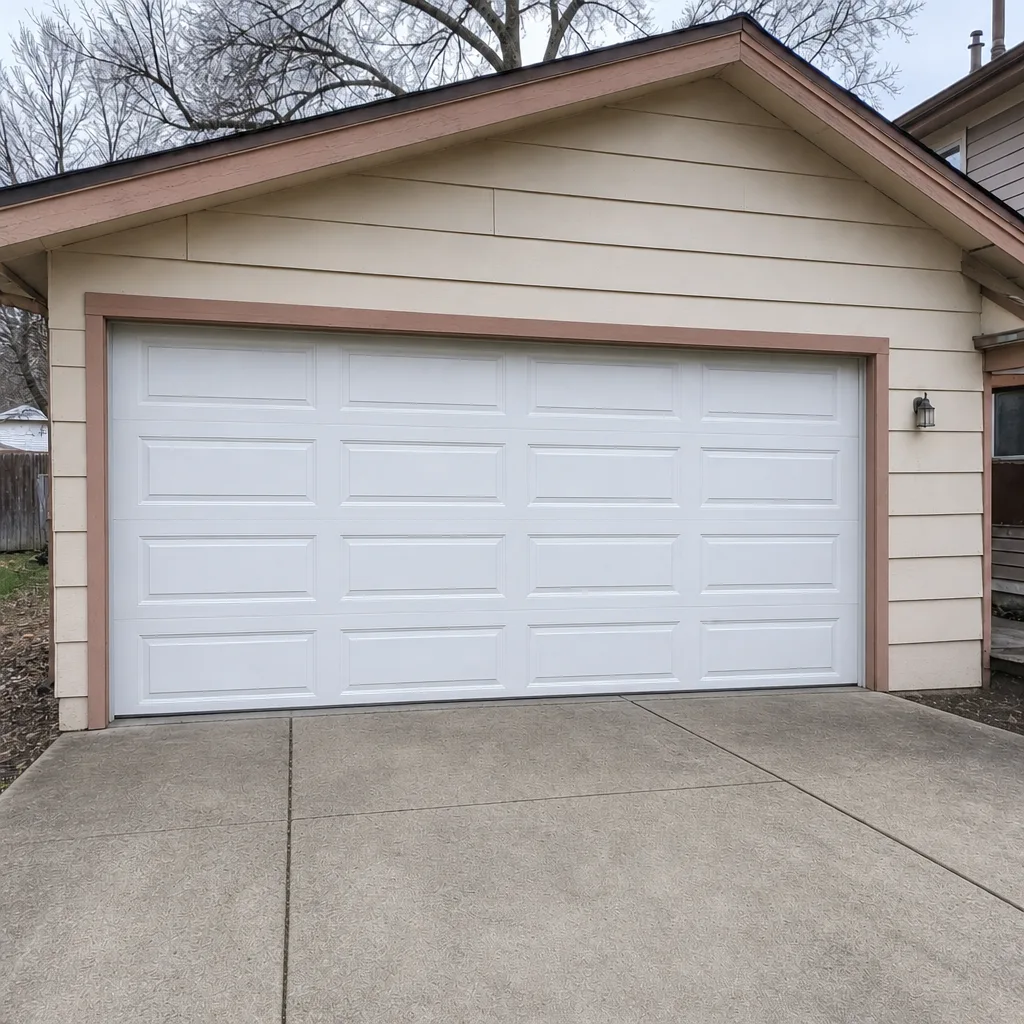
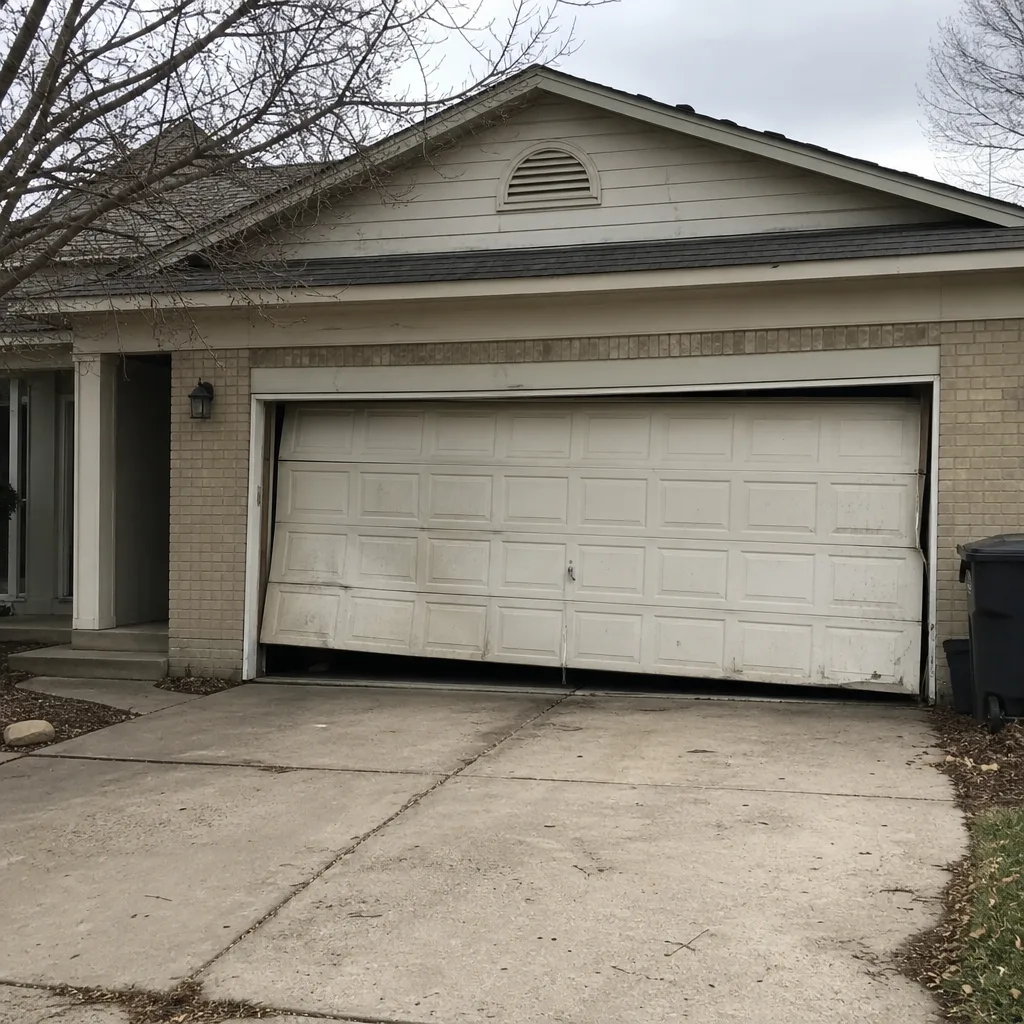
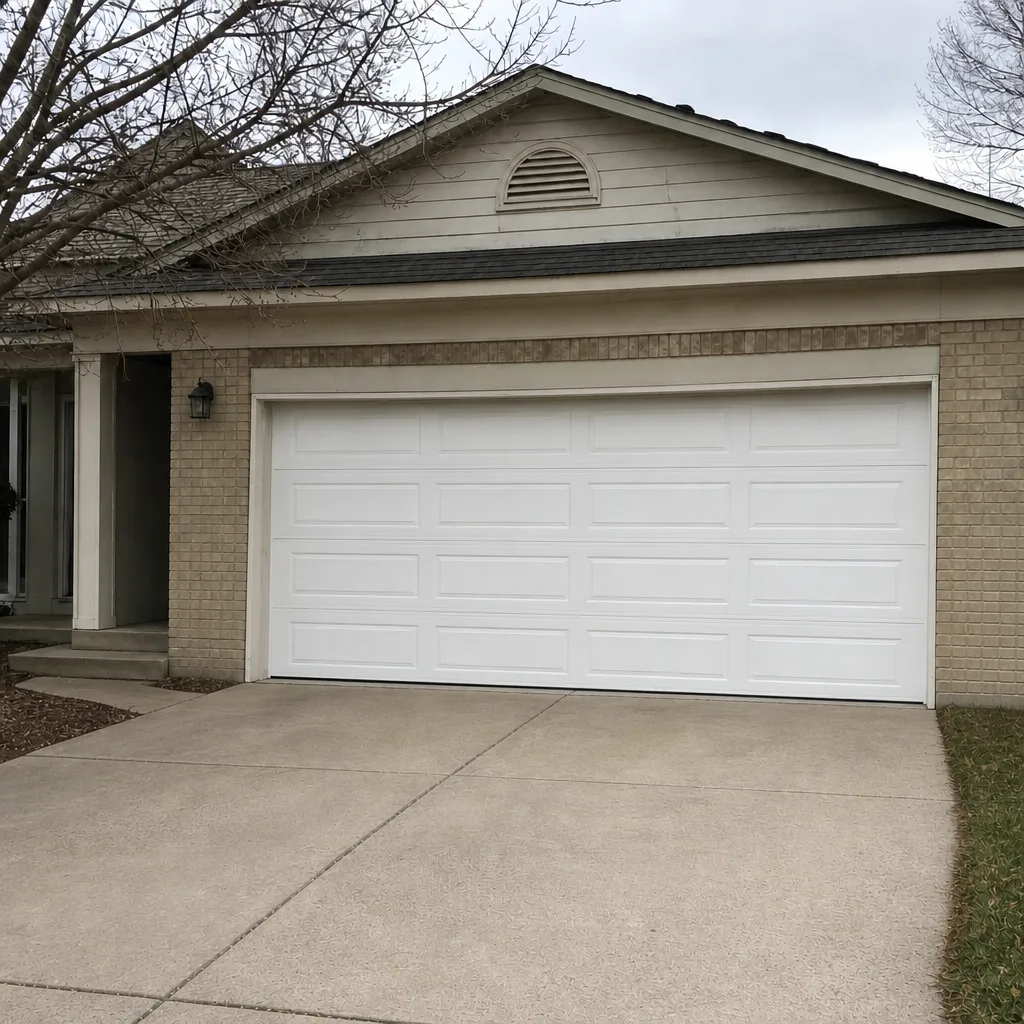
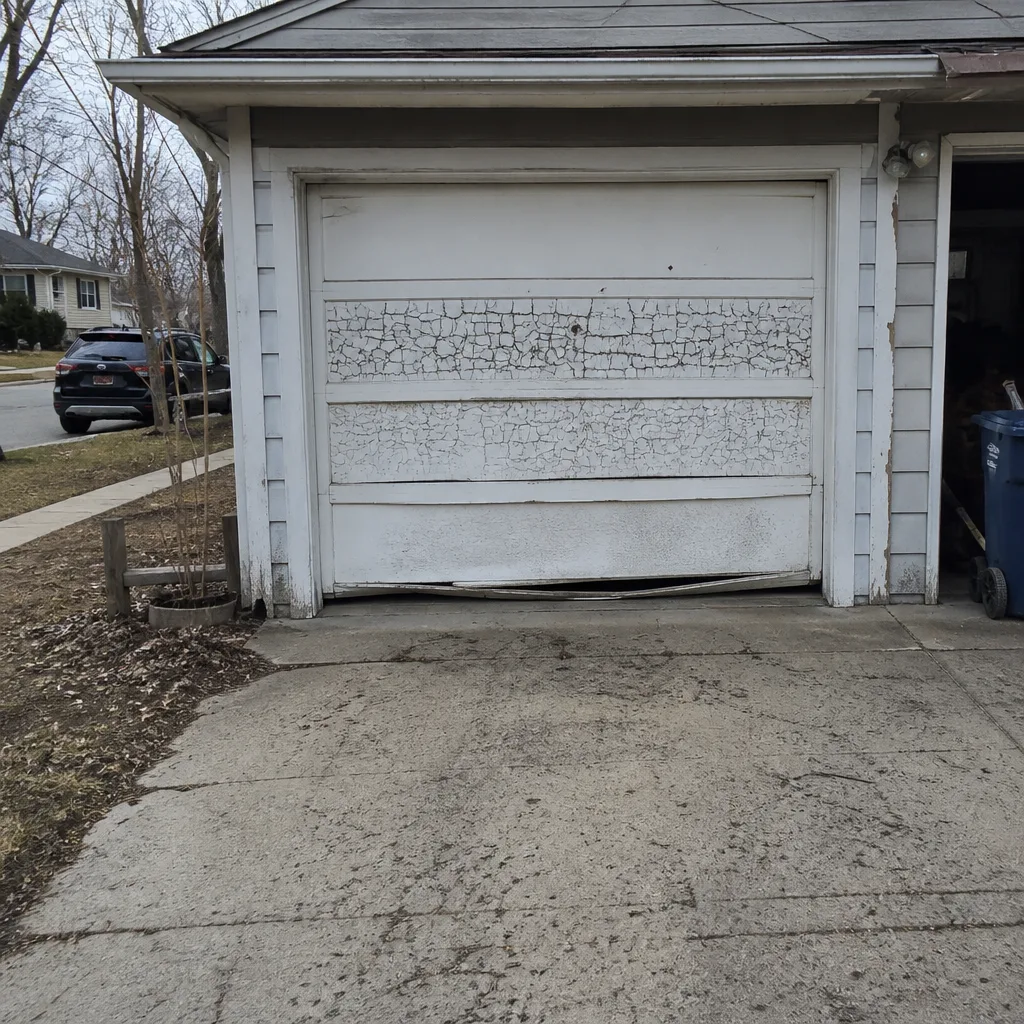
See the difference
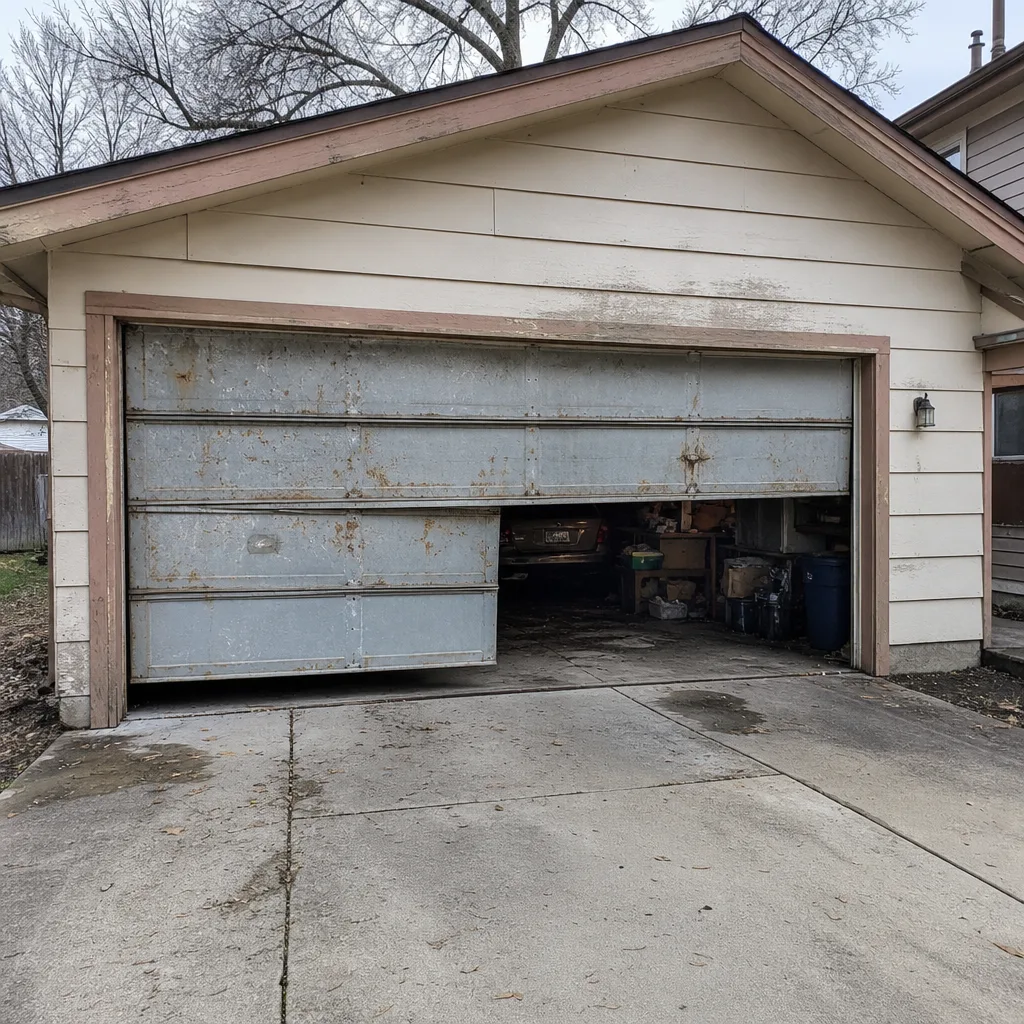 Before
 After
 Before
 After
 Before
 After
When to Call a Professional
Call a professional when the warning sign touches a safety component, when the door has stopped operating normally, or when a symptom has been getting worse for more than a couple of weeks. In Apple Valley, the signals that most reliably mean “call now” are ticking cables, a visibly broken spring, a door hanging crooked, a door that reverses with nothing in its path, and any door that leaves the house open or a car trapped. The smaller signals – a hesitation, a rumble in cold weather, a slow one-sided tilt – are worth booking as a planned repair, because that’s where early catching pays off. Garage Door Repair Apple Valley offers free estimates in Apple Valley – call (844) 623-0656. We answer 24/7. Fast dispatch from 7am to 7pm, Sunday through Friday, and the price is agreed before any work starts.
Frequently Asked Questions
The earliest sign is a thin gap widening between the coils of the torsion spring, often with the door getting heavier for the opener to lift. You may also notice a low, labored hum from the motor and a slight sag when the door is parked open. This is fatigue, not a break, and it’s the point where a trained technician should look at it. Springs are under extreme tension and can cause serious injury, so don’t try to inspect or adjust one yourself. Call (844) 623-0656 for a free estimate.
A crooked door is almost always a spring or cable problem, not a track problem. When one side of the door loses lift assistance, the door runs unevenly and climbs higher on one side. Straightening the track won’t fix it because the track was never the issue. An uneven door also loads the opener and hardware unevenly, so it’s worth booking. Call (844) 623-0656 for an exact quote; estimates are free.
No. The reversal test only confirms the door reverses when it meets resistance; it doesn’t check the safety beam, the force setting, or the door’s balance. Test the beam separately by breaking it with your hand while the door is closing, and have the force setting checked if the door pushes harder than it should. A reversal test that passes with nothing in the path is a signal in itself. Call (844) 623-0656 if you’re unsure.
Torsion spring replacement is typically priced per spring, and a matched pair is usually replaced together because the second spring is the same age and under the same load. A written estimate before work begins is the final price, and the estimate itself is free. Prices vary with door size, spring type and what else the door needs, so a per-job quote is the only reliable number. Call (844) 623-0656 for your written price.
Yes, that’s exactly what our emergency service is for, and a stuck or unsecured door is treated as the urgent case. Call (844) 623-0656. We answer 24/7, and we dispatch Sunday through Friday, 7am to 7pm. If you reach us outside dispatch hours, we’ll book you into the next opening, Sunday through Friday, 7am to 7pm. The price is agreed before any work starts.
No. The written estimate you receive before work begins is the price, and we agree on it with you first. The typical ranges depend on the door and the failed component, and a free estimate is what turns a range into a firm number for your Apple Valley home. If the inspection turns up a different issue, we’ll explain it and re-quote before touching the door. Call (844) 623-0656 to book.
The Bottom Line
The warning signs that matter most aren’t the loud ones – they’re the small ones that show up before the failure. A half-second hesitation, a widening gap between spring coils, a developing kink in a cable, a door that sits crooked, a reversal test that passes with nothing in its path: each one points to a component that’s failing slowly, and each costs far less to fix as a planned repair than as an emergency. In Apple Valley’s cold winters, the fall visual check matters most, because the same fatigue that’s a repair in October becomes a January emergency. Watch the symptoms, not the brand, and call when a safety component is involved. From a single broken spring to a full door replacement, we handle the diagnosis and the fix.
Call (844) 623-0656 for a free estimate. We answer 24/7. Fast dispatch from 7am to 7pm, Sunday through Friday. The written estimate is agreed before any work starts.
Written by the team at Garage Door Repair Apple Valley.