
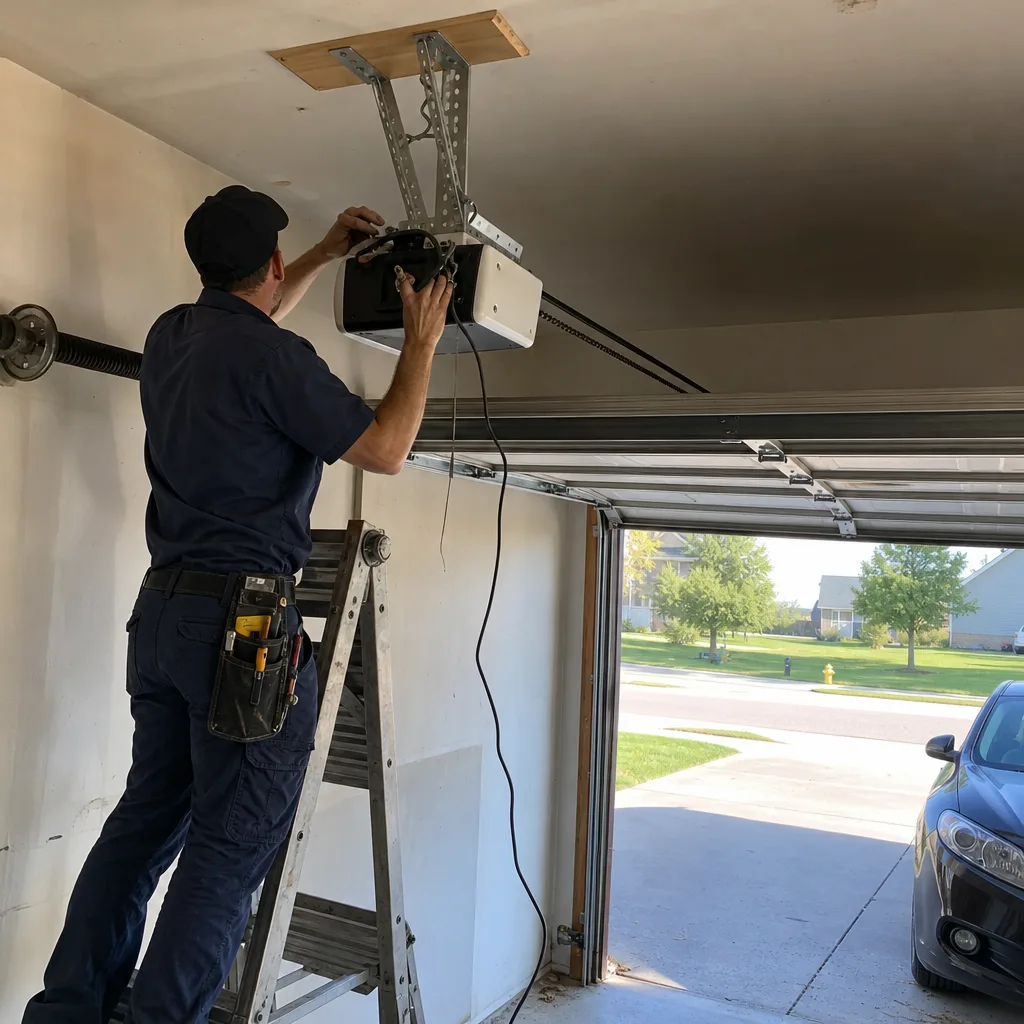
Last updated November 22, 2026
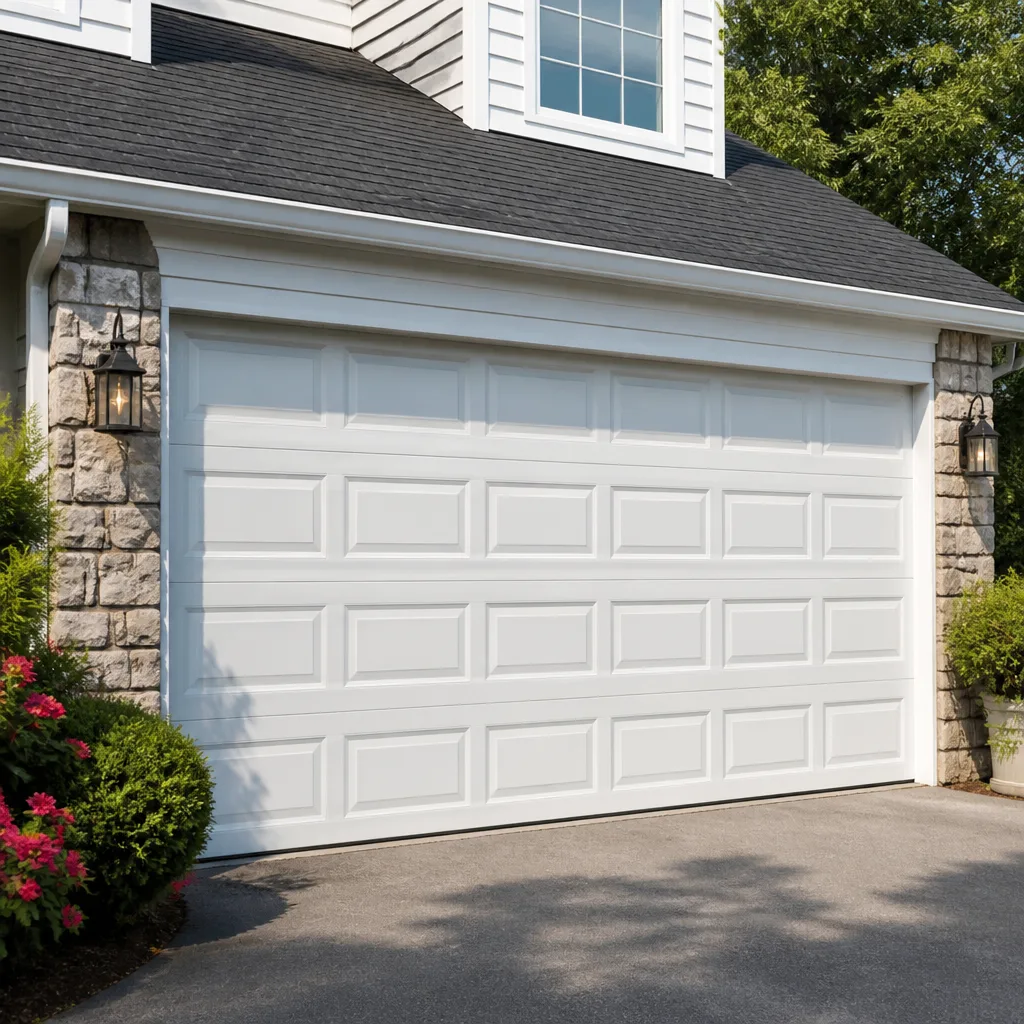 Raised-panel steel
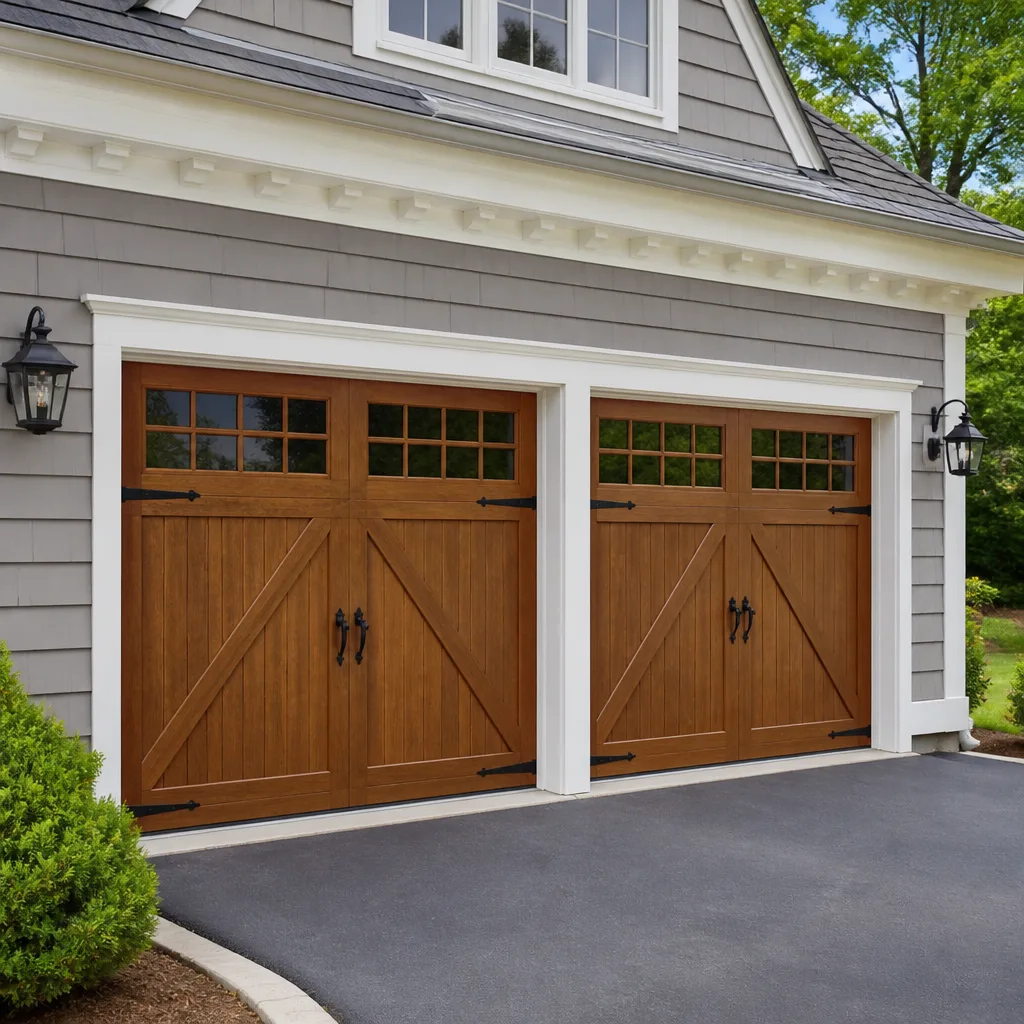 Carriage house
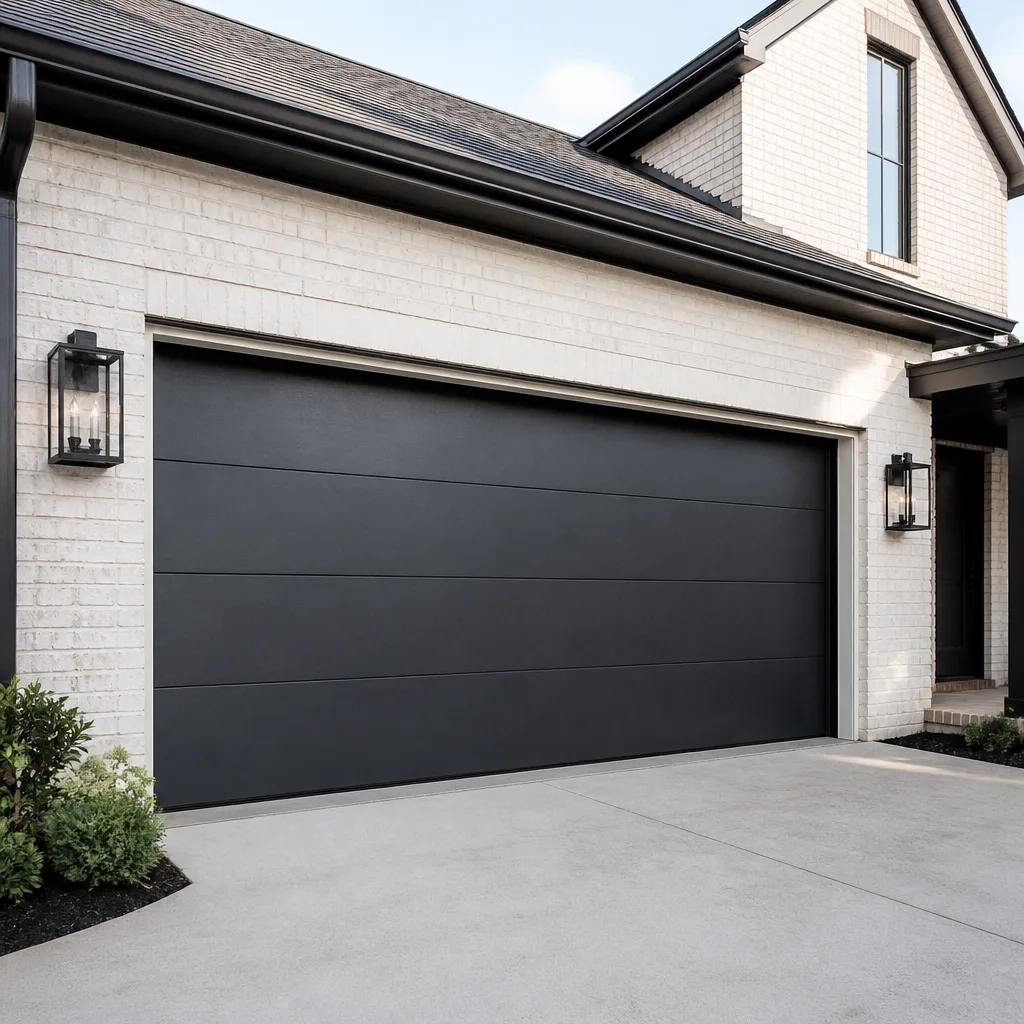 Modern flush
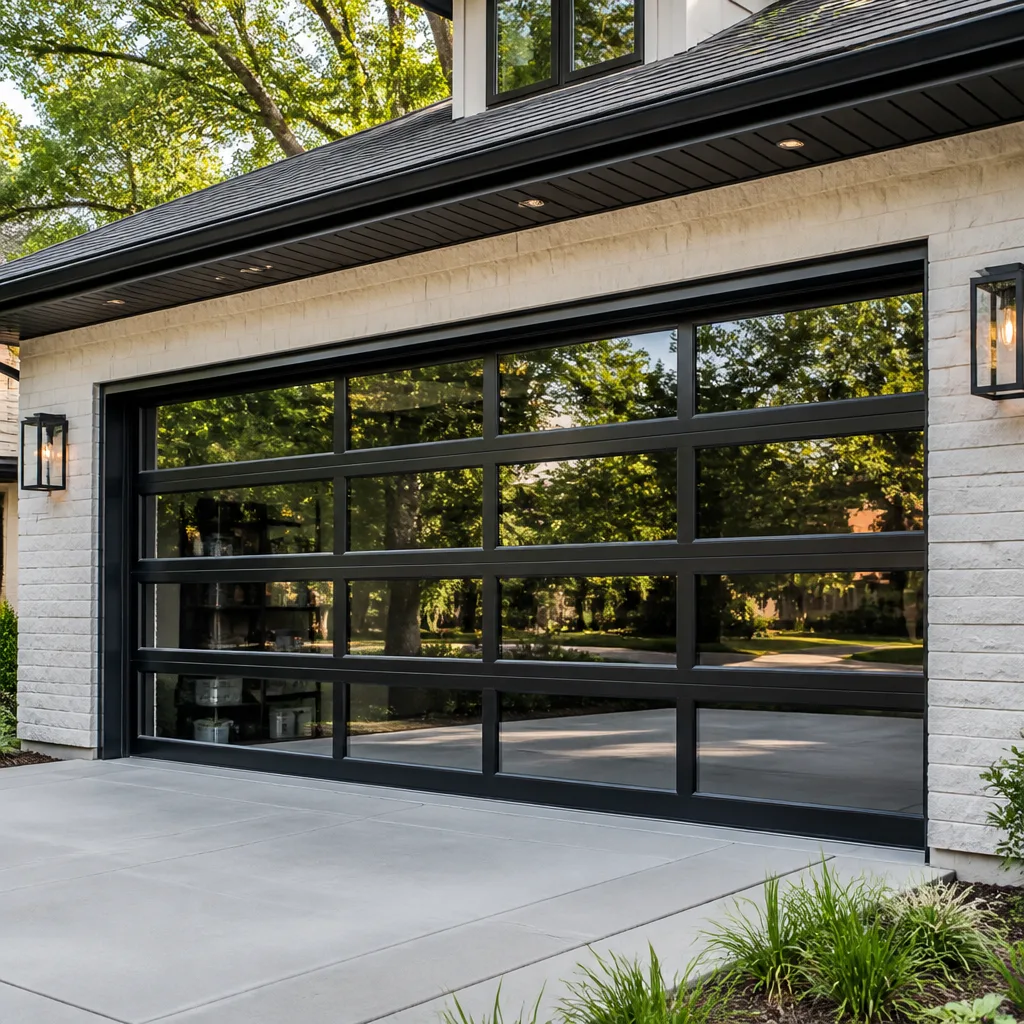 Full-view glass
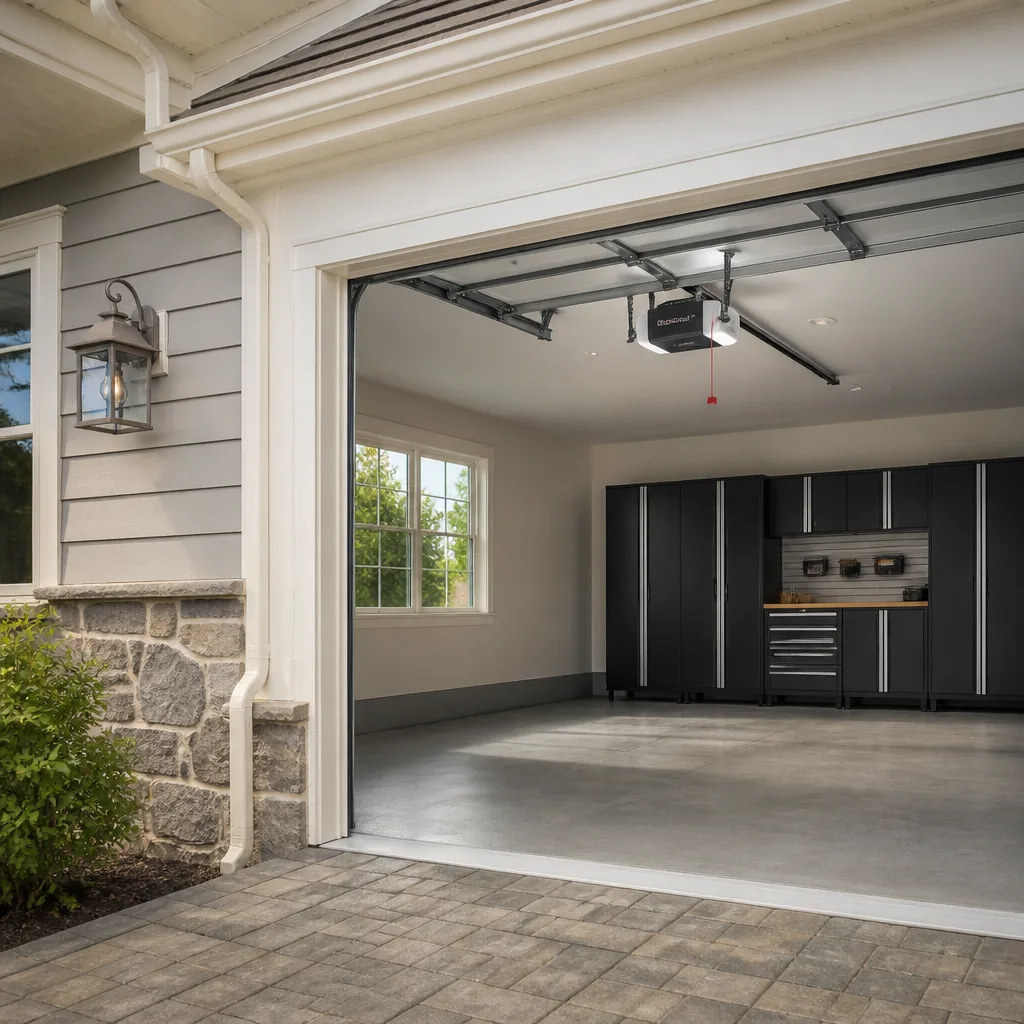 LiftMaster openers
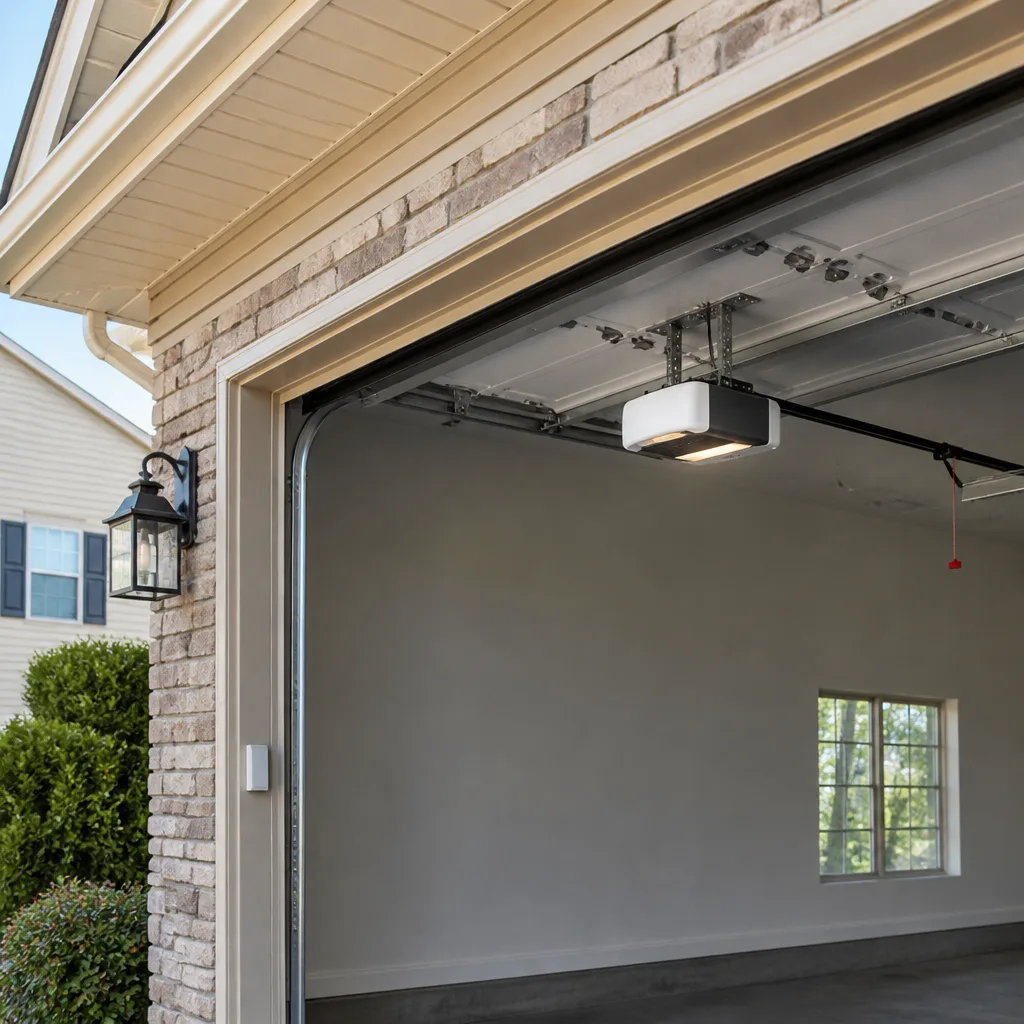 Chamberlain openers
Full 25-point door and opener safety check with every visit - springs, cables, rollers, tracks, and your LiftMaster or Chamberlain opener included
You get a price before we start. It does not change when the pro arrives.
Get your free estimateThe Complete Guide to Garage Doors in Apple Valley
Most garage door advice you’ll find online treats every door the same. It isn’t. A torsion spring that lives through an Apple Valley January behaves differently than one in a mild climate, and the door in a 1997 subdivision house on the east side of town is a different animal than a 2024 build near Cedar Avenue. Homeowners often think the brand name on the opener is what matters most. In practice, it’s the components – springs, cables, rollers, hinges, and the balance between them – that decide how long a system lasts and how it fails. This guide walks through those components in plain terms: how torsion and extension systems handle the freeze-thaw cycle, which insulation ratings actually matter for attached versus detached garages, how Dakota County permits intersect with a replacement decision, and how to read a door’s age and wear from the hardware alone. You’ll finish with a working mental model of your own system.
Quick Answer
Garage door reliability in Apple Valley comes down to three things: the spring system (torsion or extension), the balance and alignment of the door, and the opener that drives it. Cold snaps in this USDA Zone 4b climate stress spring steel and the seals around the door, so maintenance timing matters more here than in warmer markets. Repair is usually the right call for a single failed component, while a door past its service life – warped panels, tired hardware, poor insulation – is often better replaced. Either way, diagnosis comes before the first repair.
Styles & brands we work with
- Raised-panel steel
- Carriage house
- Modern flush
- Full-view glass
- LiftMaster openers
- Chamberlain openers
Table of Contents
- How a Garage Door System Actually Works
- Torsion vs. Extension Springs in the Freeze-Thaw Cycle
- Which Insulation Ratings Matter in Apple Valley
- Dakota County Permits and Your Replacement Decision
- Common Brand and Model Combinations in Apple Valley Subdivisions
- How to Read Your Door’s Age and Wear From the Hardware
- Repair or Replace: Making the Decision
- A Seasonal Maintenance Rhythm for Minnesota
How a Garage Door System Actually Works
A sectional garage door is a balanced machine, not a simple slab on tracks. The door panels hang from rollers inside vertical and horizontal track, and the whole assembly is counterbalanced so a person can lift it by hand. That balance comes from the spring system. The opener’s job is to move a balanced door, not to lift a dead weight. When someone tells us their opener is “too weak,” what’s usually happened is that the door has lost balance – a failing spring, a bent track, a seized roller – and the opener has been dragging a heavier load than it was built for.
Here’s how the pieces depend on each other:
- Springs store the energy that counterbalances the door’s weight. They do the heavy lifting.
- Cables connect the springs to the bottom corner brackets and keep the door level as it travels.
- Track guides the rollers and keeps the panels aligned through the curved transition.
- Rollers and hinges let the panels pivot and follow the track smoothly.
- The opener drives the balanced door up and down, and its safety sensors stop it from closing on an obstruction.
This is why a good diagnosis matters. A door that jerks, squeals or reverses halfway isn’t automatically an opener problem. In our experience, the most common misdiagnosis is replacing an opener when the real fault is a worn spring or a misaligned track. If any one part in the chain is off, the whole system complains. That’s the value of a technician working from the bottom up: springs, balance, track, then opener. That order catches the actual cause instead of the loudest symptom.
If your door is doing something odd right now, our Garage Door Repair Apple Valley page covers the symptom-to-cause map in more detail. But read on – understanding the anatomy will make any conversation with a technician clearer.
Torsion vs. Extension Springs in the Freeze-Thaw Cycle
Apple Valley sits in USDA Hardiness Zone 4b, where January lows regularly reach -15°F. That temperature range matters for one component above all: spring steel. Cold contracts the steel, and repeated expansion and contraction through Minnesota’s freeze-thaw cycle changes how a spring behaves over its service life. The two spring systems handle this stress in very different ways.
Torsion springs
A torsion spring mounts on a horizontal shaft above the door and twists to store energy. Most doors built in Apple Valley from the 1990s onward use torsion. Torsion springs are compact, run quieter, and last longer under normal use – a typical cycle life is longer than an extension spring’s. In cold weather, the steel becomes slightly more brittle, which is why a torsion spring that’s near the end of its life is more likely to fail on the coldest morning of the year. That’s not a coincidence; it’s the metal telling you it’s done.
Extension springs
Extension springs stretch along horizontal tracks on either side of the door. They’re common on older and lighter doors. Because they stretch rather than twist, they open the door to a different failure mode: they can snap and swing freely if they aren’t contained by a safety cable. Cold makes this more likely for the same reason it affects torsion springs. If your Apple Valley home has extension springs without safety cables running through them, that’s worth addressing before winter.
What the cold actually does
- Steel contracts in the cold, changing the tension the spring was set to.
- The door may feel slightly heavier or move differently on the coldest days.
- Repeated freeze-thaw cycles work-harden the steel over years of use.
- A spring at the end of its cycle life fails when stress peaks – often in a cold snap.
One crucial point: garage door springs are the most dangerous component in the system, and this is not a DIY job. A torsion spring under tension holds enough stored energy to cause serious injury if it’s released without the right tools and technique. Extension springs can do the same. Our garage door spring repair service exists because this is the repair most often botched by well-meaning homeowners and general handymen. When a spring goes, the door should stay put until a trained technician handles it.
Which Insulation Ratings Matter in Apple Valley
Insulation is where garage door shopping gets vague. R-value is a measure of thermal resistance, and higher numbers mean better insulation – but which number you actually need depends on how your garage is built and how you use it. In Apple Valley’s climate, the difference between an attached garage and a detached one changes the answer entirely.
Attached garages
An attached garage shares at least one wall with your house, and often a ceiling below living space. That makes it a thermal buffer between the outdoors and your home. A well-insulated door here reduces heat loss through that shared wall and keeps the garage from becoming a deep freeze. For most attached garages in this climate, a door with a multi-layer insulated construction is worth the upgrade, because the garage is doing real work in your home’s energy envelope. A single-layer, uninsulated door on an attached garage is the weakest link in an otherwise insulated wall.
Detached garages
A detached garage doesn’t share conditioned space with the house, so the insulation matters mainly for the garage’s own comfort and for protecting what’s stored inside. If you use a detached garage as a workshop, hobby space, or for temperature-sensitive storage, insulation helps. If it’s a cold-storage bay for lawn equipment and the car, the calculus is different – you may not need the highest rating available, because you’re not trying to heat the space year-round.
What to actually look for
- Attached, heated use: favor insulated, multi-layer doors with a solid core.
- Attached, unheated: insulated doors still help as a thermal buffer; a mid-range door works.
- Detached, workshop: insulated for comfort and condensation control.
- Detached, storage only: insulation matters less than seals and fit.
Insulation isn’t just R-value, either. Seals around the perimeter, a bottom weather seal that flexes in the cold, and tight panel joints all matter as much as the rating printed on the door. A well-sealed mid-range door usually outperforms a high-rated door that lets cold air whistle around the edges. When you’re evaluating a new door, ask about the whole envelope, not just the number.
Dakota County Permits and Your Replacement Decision
Permits are one of those details that quietly determines whether a project is “a repair” or “a replacement,” and the two paths have different requirements. Apple Valley sits in Dakota County, and like most jurisdictions in Minnesota, the city’s building department is the authority on what needs a permit. The general rule of thumb: replacing a garage door – swapping out the whole door system – is more likely to require permitting than repairing a component on an existing door. But rules vary by municipality and by what’s being changed, so the answer isn’t one-size-fits-all.
How permit scope usually breaks down
- Component repair (spring, cable, hinge, roller, opener) typically doesn’t trigger a structural permit.
- Like-for-like door replacement may or may not require a permit depending on your city’s rules; confirm with the building department.
- Structural changes – enlarging the opening, changing the header, altering framing – almost always require a permit and inspection.
- Adding a new door or garage where none existed always needs a permit.
We don’t issue permits, and we don’t guess at city code. What we can tell you is to ask Apple Valley’s building department directly before a replacement, and to ask specifically whether your project counts as repair or replacement in their eyes. Getting that answer early prevents a surprise later. It also affects your decision between repairing and replacing: if a replacement triggers a permit and inspection, that’s part of the project scope and timeline.
This intersects with the repair-or-replace decision below. A door that only needs a spring has a simple path. A door you’re replacing outright is a project with a permit question attached. Knowing which one you’re facing helps you plan. If you’re unsure, call us at (844) 623-0656 and we’ll talk through what your project likely involves – though the permit determination always comes from the city, not from us.
Common Brand and Model Combinations in Apple Valley Subdivisions
The garage door landscape in Apple Valley subdivisions built between 1990 and 2010 is fairly predictable. Builders in that era leaned heavily on a handful of manufacturers and door models, which means the service intervals and known weak points are things we’ve come to understand well. Recognizing your door’s brand and era tells you a lot about what to expect.
Among the systems we work with regularly, a few names come up constantly. Genie openers are common on doors of this vintage and appear in both chain-drive and belt-drive configurations. Clopay doors show up on a large share of the homes built in that window, often in the mid-range insulated models. Amarr doors were frequently used on entry-level and spec builds, and Wayne Dalton systems appear on doors from the late 1990s onward. Alongside these, we service LiftMaster, Chamberlain, Craftsman, and Raynor. That’s 8 of the most widely installed residential brands, which covers nearly any system an Apple Valley homeowner is likely to have.
Known service intervals for this era
- Springs: a torsion spring on a door of this age is often on its second spring already, or overdue for its first replacement.
- Openers: a unit from the 1990s to early 2000s is typically at or past its expected service life and a strong candidate for replacement.
- Rollers and hinges: these wear faster in cold cycles; original steel rollers from that era often need attention.
- Seals: bottom and perimeter seals dry out over years of temperature swings and are a common source of drafts and water intrusion.
What that means for you: a door from a 1990s subdivision build is likely a mix of original and replaced components. The brand name alone doesn’t tell you the door’s condition, but knowing the era helps you know what to expect.
If any of that hardware is acting up, we work on your brand specifically, so you’re not stuck calling around. Our garage door opener repair covers the major smart and traditional opener brands, and we can also handle the door side of the equation. Component-level knowledge beats brand guessing, which is the whole point of this guide.
How to Read Your Door’s Age and Wear From the Hardware
You don’t need a service call to get a read on a garage door’s age and wear. The hardware tells a story. Walk out and look at the components with this checklist. It’s an observation exercise, not a repair – for anything involving springs or cables, keep your hands clear and call a professional. What you’re doing is gathering information before you decide whether you need service.
- Spring color coding. Torsion springs are often painted with a color code that indicates their size and cycle rating. The paint wears off with age, so a faded or missing code hints at years of use.
- Track condition. Look for dents, rust, or gaps where the roller meets the track. Bent track means the door has been out of alignment at some point.
- Roller wear. Steel rollers get flat spots; nylon rollers wear down. Feel (without forcing) for wobble in the roller stems.
- Cable condition. Look for fraying or rust on the cables. Never touch a cable under tension – just observe.
- Panel condition. Look for warping, rust bubbling through the paint, or dents that could affect how the door seals.
- Hinge and bracket rust. Rust on the hardware suggests moisture exposure, often from a failed bottom seal or clogged track.
- Door balance. With the door closed and the opener disconnected, lift it partway by hand. A balanced door stays put; one that falls or feels heavy has a spring or balance issue. If it feels wrong, stop and call.
Put those observations together. A door that’s out of balance, rusty at the hinges, and dragging at one side has multiple small problems – which is often a door that’s aging out, not one with a single fixable fault. A door that’s smooth, balanced, and rust-free with a worn bottom seal just needs a seal. Reading the hardware is the first step in an honest repair-or-replace assessment. Our technicians have up to 15 years of experience making exactly that call, and we’d rather tell you the truth about what your door needs than sell you something it doesn’t.
Repair or Replace: Making the Decision
The repair-versus-replace question isn’t philosophical. It comes down to the door’s condition, its age, and what a repair will actually buy you. Here’s how to think it through.
Repair usually makes sense when:
- The door is structurally sound – panels intact, framing straight, track aligned.
- A single component failed (a spring, an opener, a cable) while the rest is in good shape.
- The door is well sealed and reasonably insulated for how you use the garage.
- The repair is a straightforward swap that restores proper operation.
Replacement usually makes sense when:
- Panels are warped, rusted through, or damaged beyond a clean fix.
- The door is poorly insulated for its use – an uninsulated door on an attached garage, for instance.
- Hardware is failing across the board rather than at one point.
- You want a different style, insulation level, or opener integration than the current door allows.
A failed spring on a healthy door is a repair. A warped, rattling door from a 1995 build with a tired opener and a failing bottom seal is a replacement conversation. The key is diagnosis first – the right call comes from understanding the whole system, not from a checklist. If you’re weighing it out, our full garage door repair overview covers the repair side, while our installation work handles the replacement side. Either way, the written estimate sets the price before any work starts, so you’re never guessing.
A Seasonal Maintenance Rhythm for Minnesota
Minnesota’s swing from summer to winter is hard on a garage door, and a little seasonal attention pays off. Here’s a rhythm that makes sense in Apple Valley’s climate.
Fall – before the first freeze
- Inspect the bottom seal for cracks and gaps; cold air and snowmelt find every one.
- Lubricate hinges, rollers, and the spring shaft with a garage-door lubricant (never grease the track itself).
- Check door balance by hand with the opener disconnected.
- Test the auto-reverse and safety sensors – a door should reverse on obstruction.
- Look for loose hardware and tighten bolts with a wrench, not by hand.
Spring – after the thaw
- Clear the track of debris, grit, and any salt that came in with winter.
- Check for rust on springs, cables, and hinges – moisture from snowmelt accelerates corrosion.
- Re-test the balance now that freeze-thaw has had its run at the springs.
- Examine the bottom seal again; winter is hard on the rubber.
- Watch and listen for new noises, which often signal a spring or roller issue starting.
Two things to leave to a professional: any adjustment of springs or cables, and any repair that requires the door to come off its tracks. Those components hold serious stored energy. A trained technician has the right tools to handle them safely. Everything else on that list is observation and light upkeep – the kind of thing that keeps a door alive longer and catches problems before they strand you.
Common Mistakes to Avoid
- Assuming the opener is at fault. A door that won’t lift is more often a spring or balance problem, and replacing an opener won’t fix it. Diagnose the whole system before you buy a part.
- DIY spring repair. Springs are the most dangerous component in the door, and they hold enough energy to injure you badly. This is one job to hand to a trained technician, without exception.
- Skipping the permit question. Assuming a replacement doesn’t need a permit in Apple Valley can cost you later. Ask the building department directly before you order a door.
- Buying insulation by number alone. A high R-value with leaking seals and poor fit wastes money. The envelope matters as much as the rating.
- Ignoring the bottom seal. In a climate that freezes and thaws, a failing seal lets in water and cold that damage hardware and panels. It’s an inexpensive fix that protects the whole door.
- Letting a door run out of balance. A door that’s subtly dragging puts strain on the opener and the track. Catching it early saves both.
- Guessing at brand parts. A part that isn’t right for your specific door or opener model can shorten the system’s life. Know your brand and model before ordering anything.
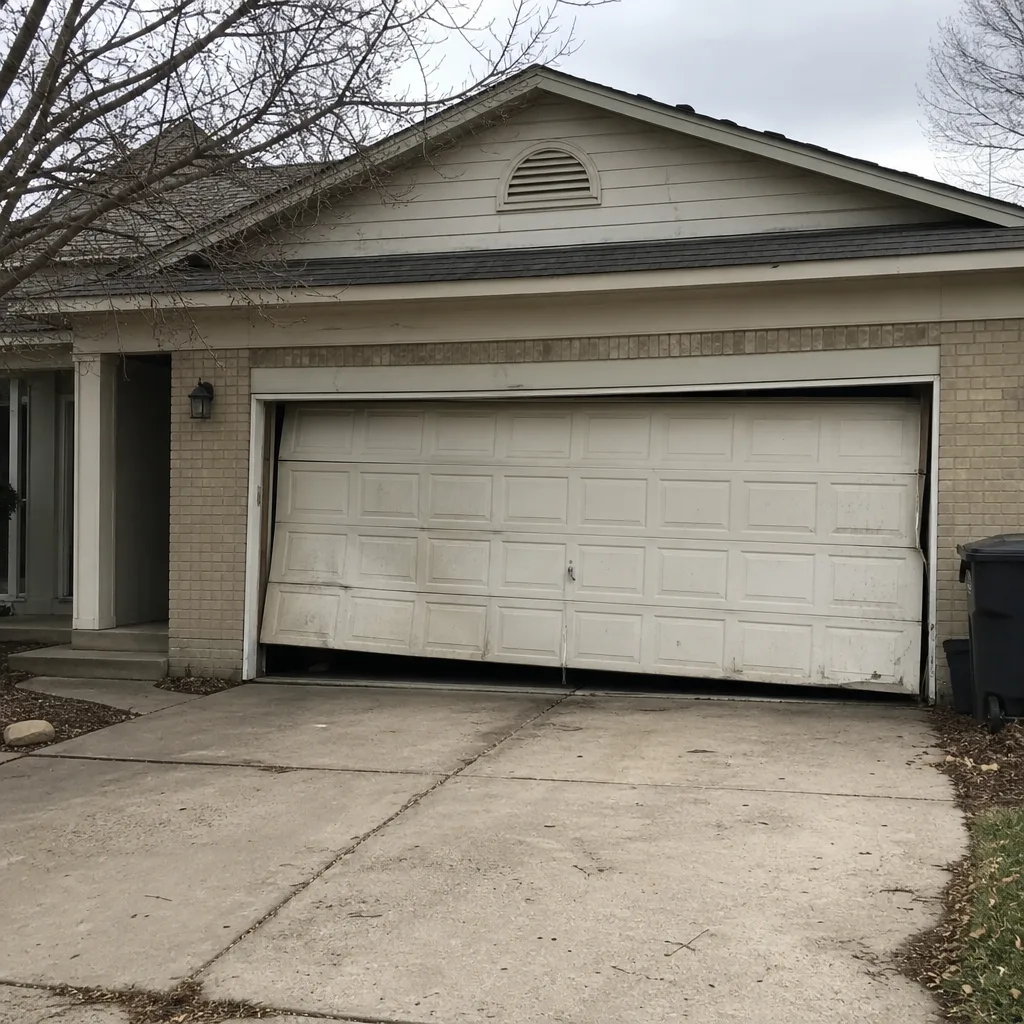
See the difference
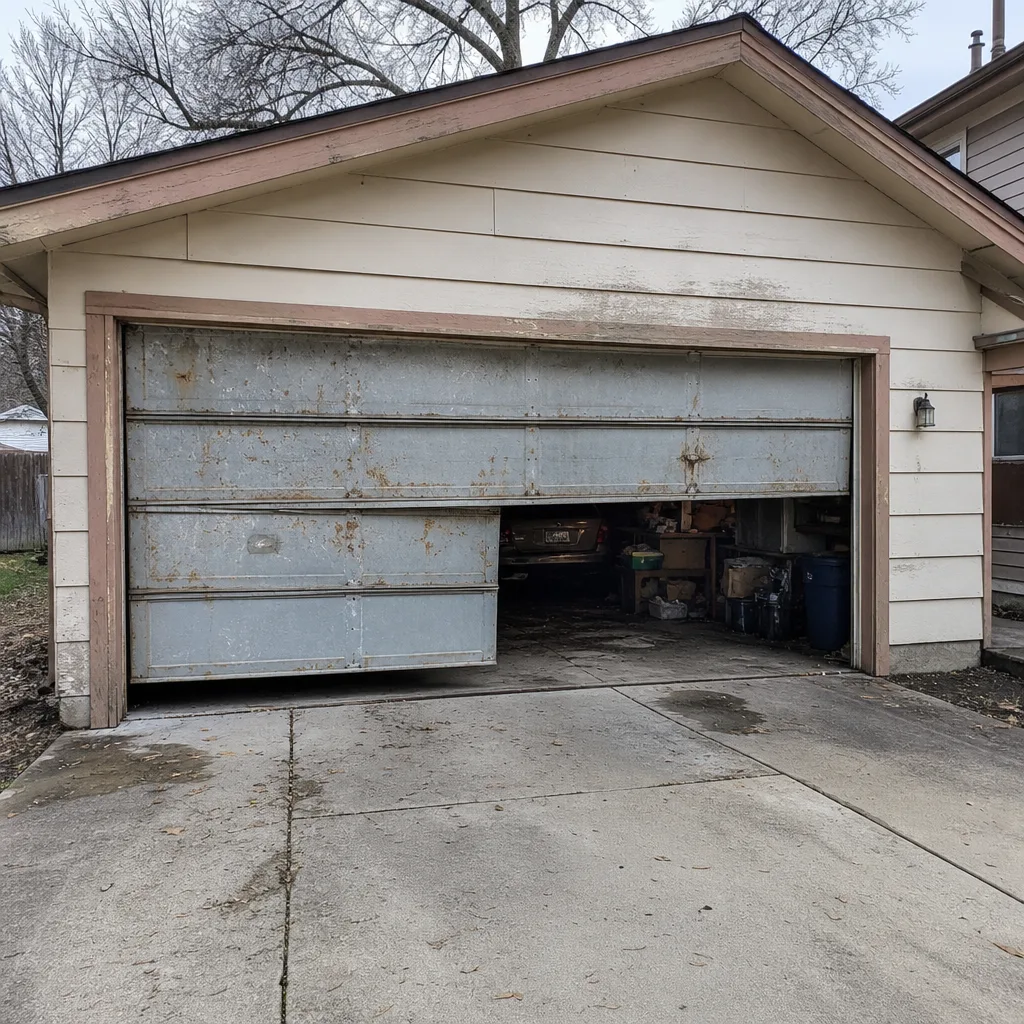 Before
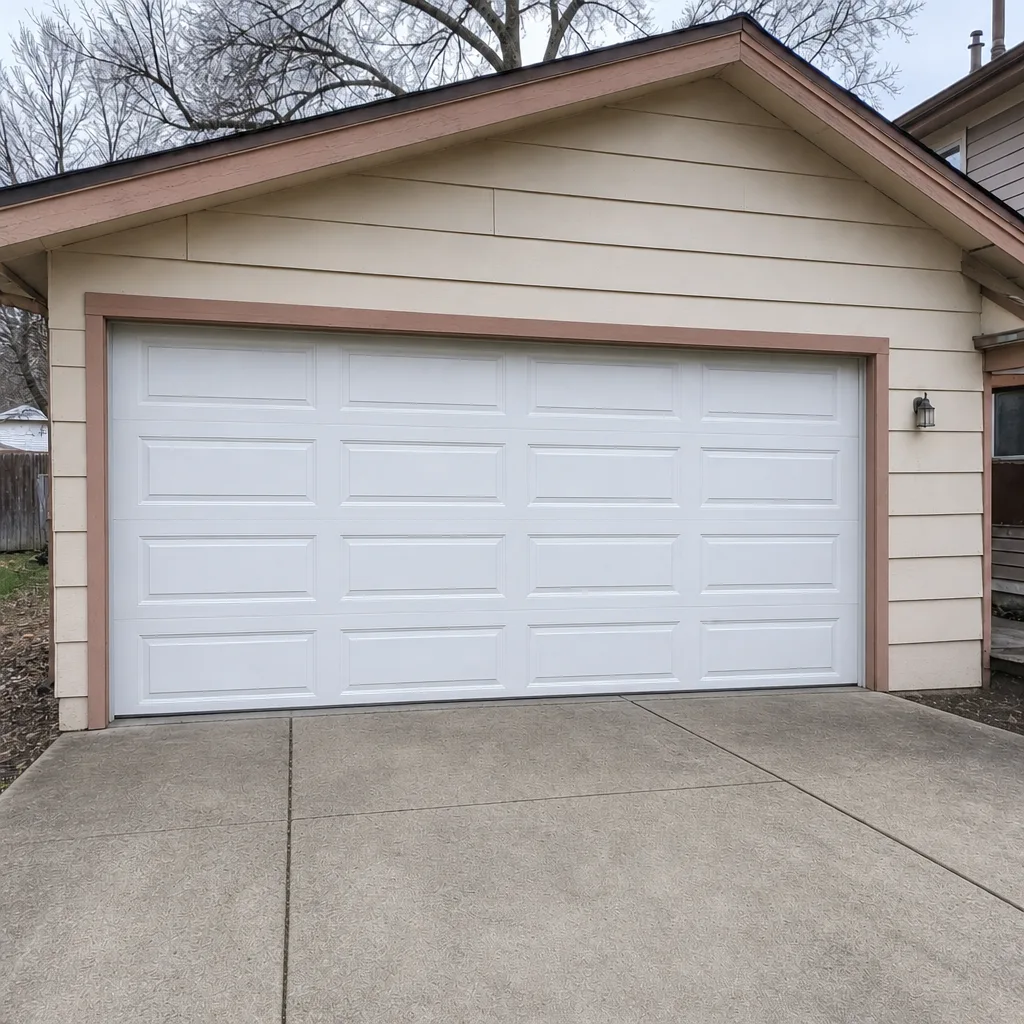 After
 Before
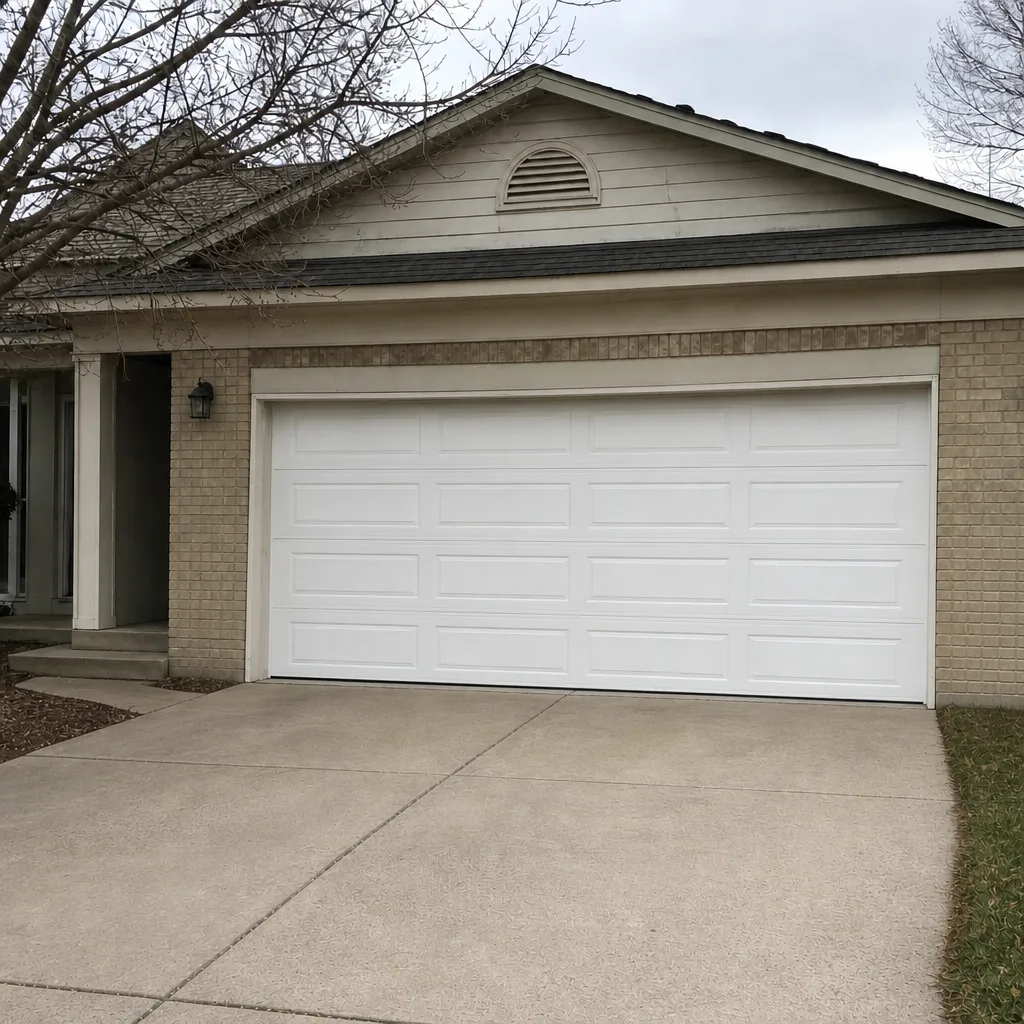 After
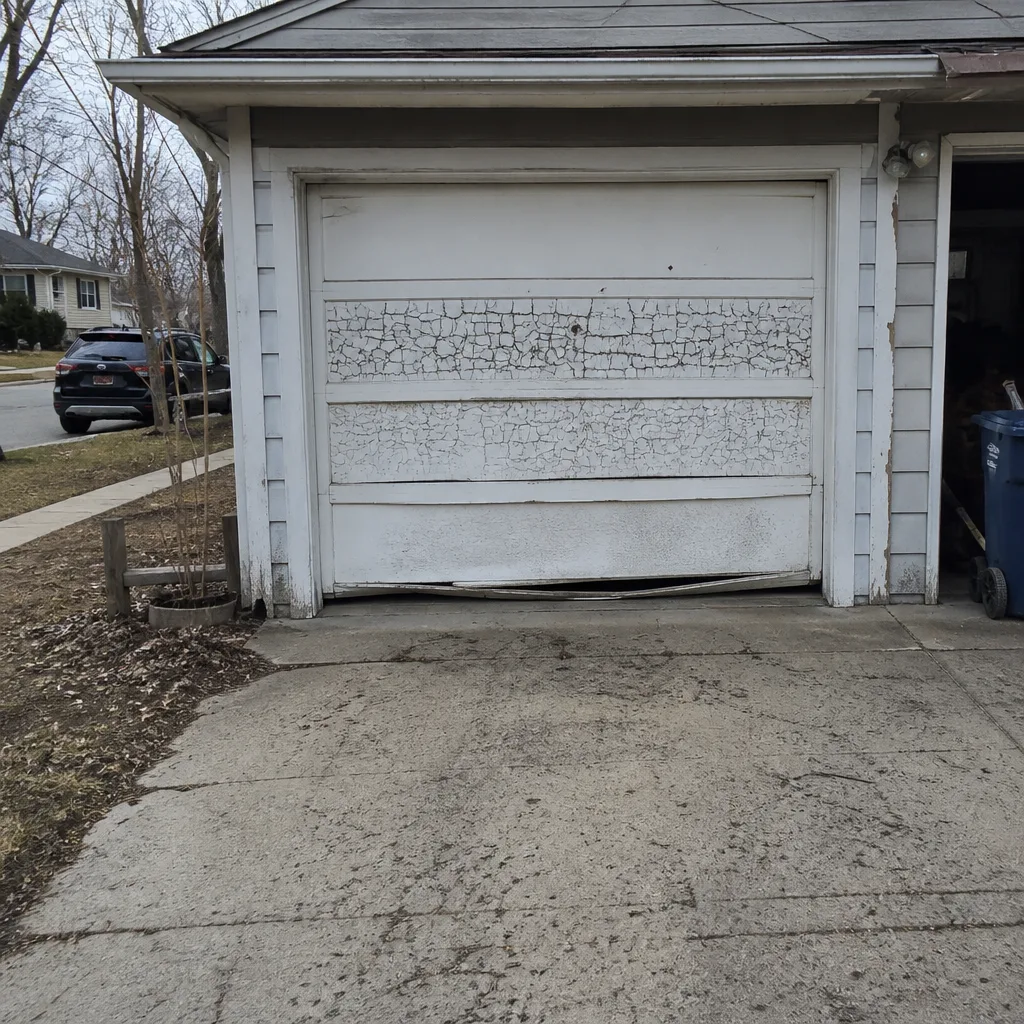 Before
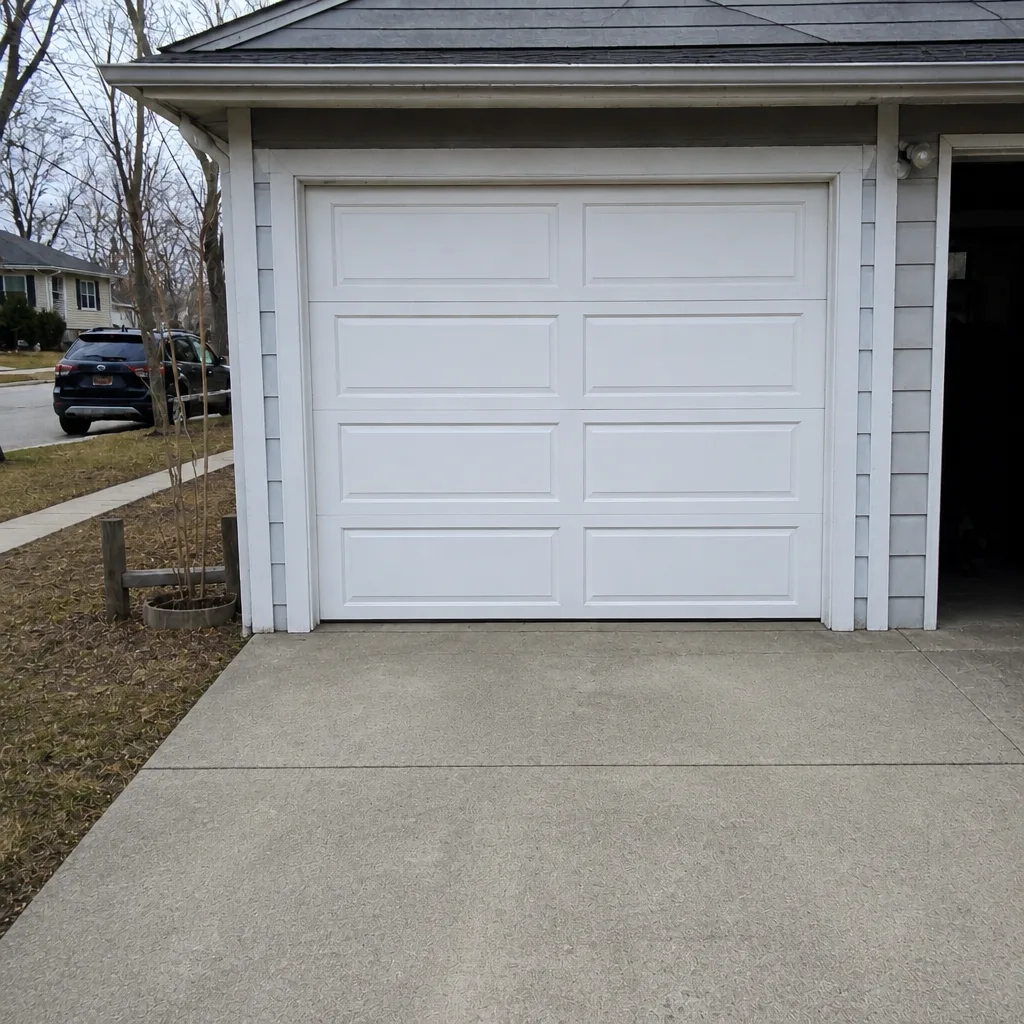 After
When to Call a Professional
Some things are worth a call. If a spring has broken, call – don’t try to open the door, and keep kids and vehicles clear. If the door won’t open or close and your property is unsecured or your car is trapped, that’s an emergency call. If the door is out of balance, dragging, or reversing on its own, that’s a diagnosis you want from a technician. If you’re weighing repair against replacement, our team can walk your door through the same hardware assessment in this guide and give you an honest read.
Garage Door Repair Apple Valley offers free estimates in Apple Valley – call (844) 623-0656. We answer 24/7, and fast dispatch runs from 7am to 7pm. The written estimate sets the price before any work begins, so you know where you stand. We work on LiftMaster, Chamberlain, Genie, Clopay, Amarr, Wayne Dalton, Craftsman, and Raynor systems, and our technicians have up to 15 years of experience diagnosing doors that others guess at.
Frequently Asked Questions
A broken torsion spring usually leaves a visible gap in the coil and the door won’t lift; extension springs snap and hang loose. A door that feels heavy, jerks, or reverses could have a weakening spring. Don’t test a spring by hand under tension – call (844) 623-0656 and we’ll diagnose it safely.
It depends on whether your project counts as a repair or a replacement with structural changes, so the answer comes from Apple Valley’s building department, not from us. Call them directly and ask how they classify your project before you order. Getting that answer early keeps the timeline clean.
Torsion springs generally last longer and are more common on newer Apple Valley doors; extension springs appear on older and lighter doors. Both suffer from the freeze-thaw cycle, and both are dangerous to replace yourself. The right choice is less about “better” and more about what your door was built for – a technician can match the replacement to your system. Call (844) 623-0656 for an exact quote.
Every job is priced individually, and the written estimate you receive sets the price before work starts – so the number you agree to is the number you pay. A spring replacement costs differently from an opener repair, and a door installation is its own project. Call (844) 623-0656 for a free estimate and a clear number.
Yes – a door that won’t open or close is a priority, because your property is unsecured or your car is trapped. We answer 24/7, with fast dispatch from 7am to 7pm. Call (844) 623-0656 and we’ll book it in.
In most cases, yes – we cover 8 of the most common residential brands: LiftMaster, Chamberlain, Genie, Clopay, Amarr, Wayne Dalton, Craftsman, and Raynor. Tell us your model when you call and we’ll confirm. Reach us at (844) 623-0656.
The Bottom Line
Apple Valley garages live in a climate that stresses spring steel and rewards good seals, which is why understanding your system by component beats shopping by brand alone. Torsion versus extension springs, attached versus detached insulation needs, the permit question around a replacement, and the hardware that tells you your door’s age – these are the decisions that actually matter. Read the wear, diagnose before repairing, respect the springs, and ask the building department before a replacement. When something needs a trained eye or a dangerous repair done safely, we’re one call away at (844) 623-0656, with free estimates and a price agreed before any work starts. From a single broken spring to a full door replacement, the right diagnosis comes first.
Written by the team at Garage Door Repair Apple Valley.