
Last updated November 22, 2026
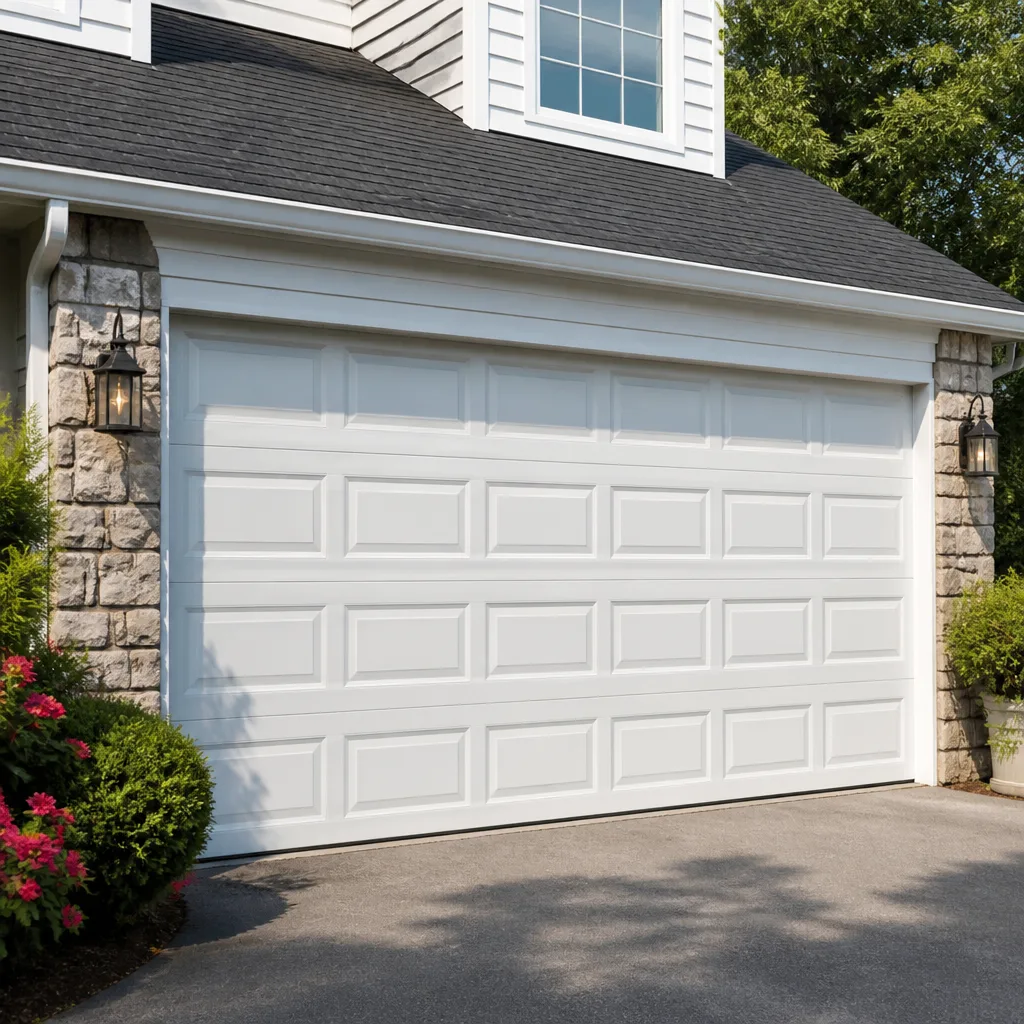 Raised-panel steel
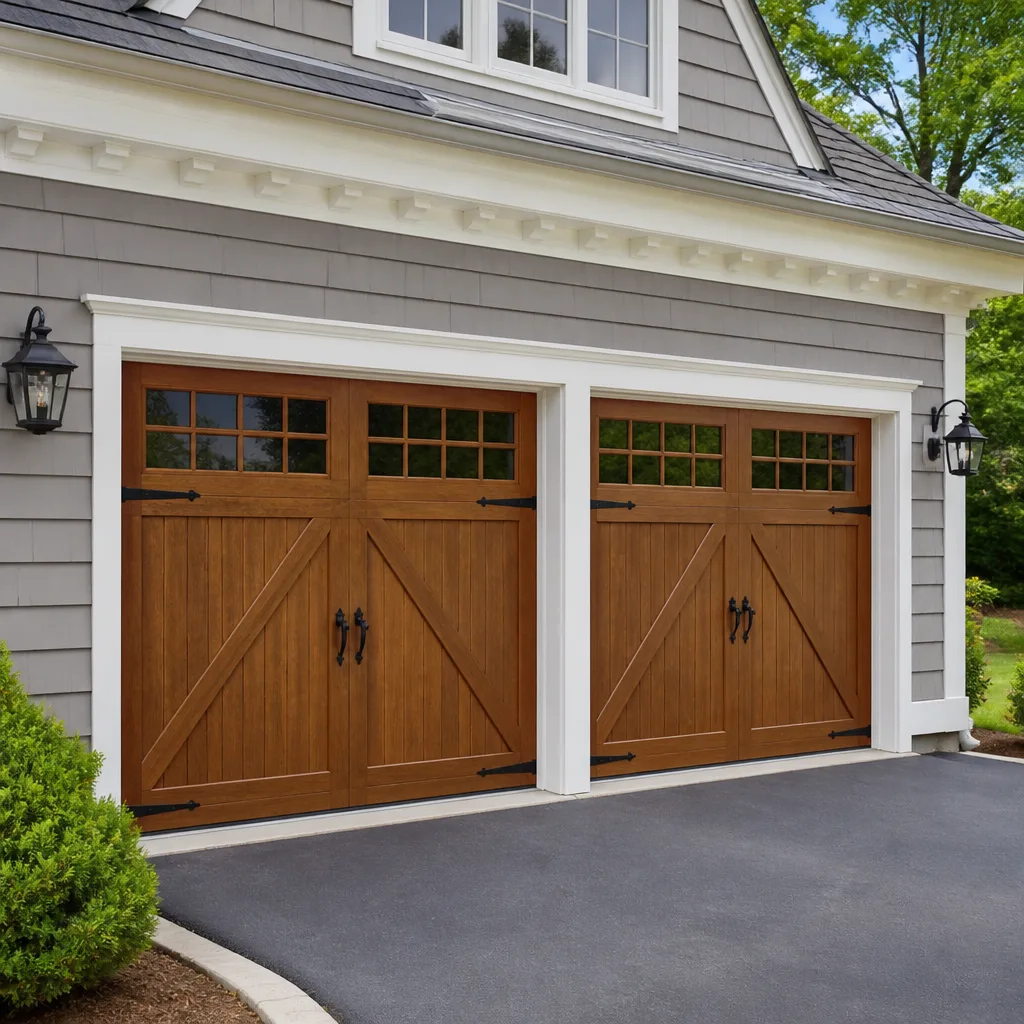 Carriage house
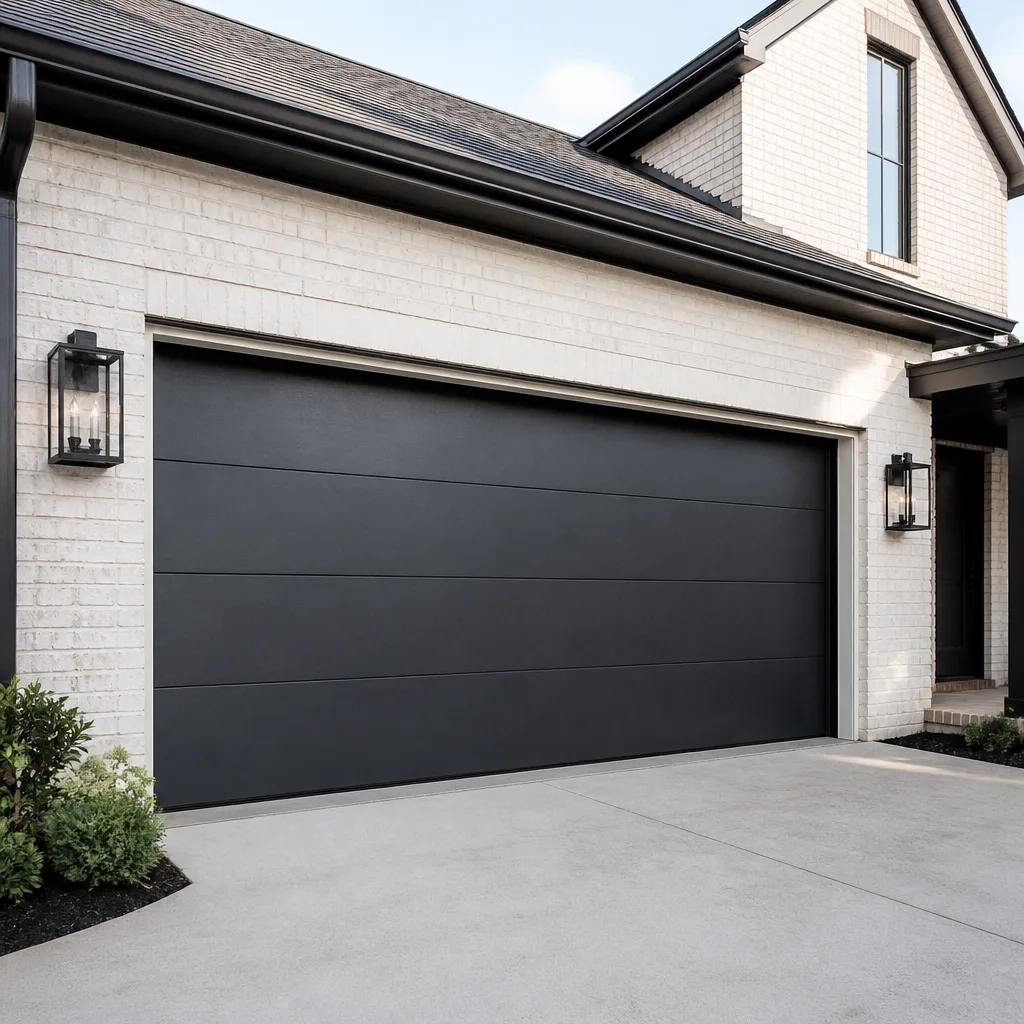 Modern flush
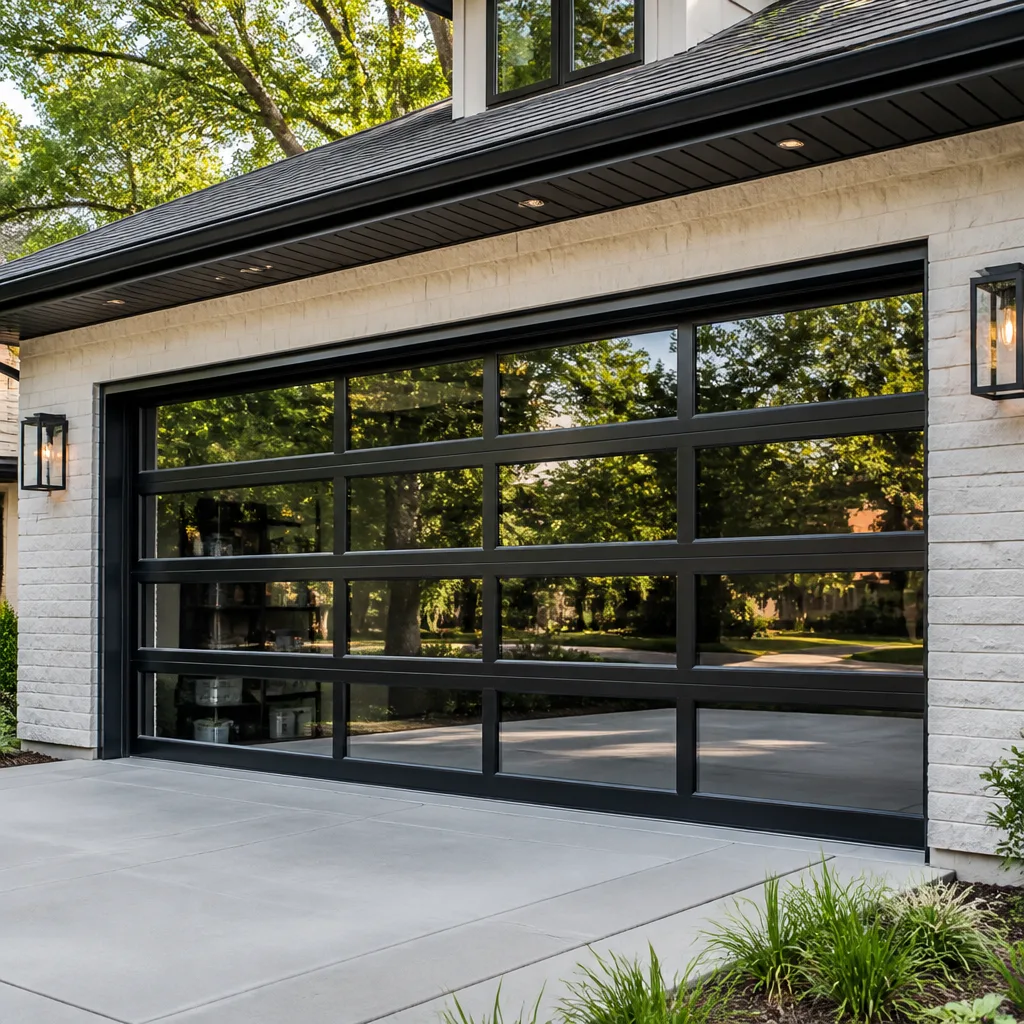 Full-view glass
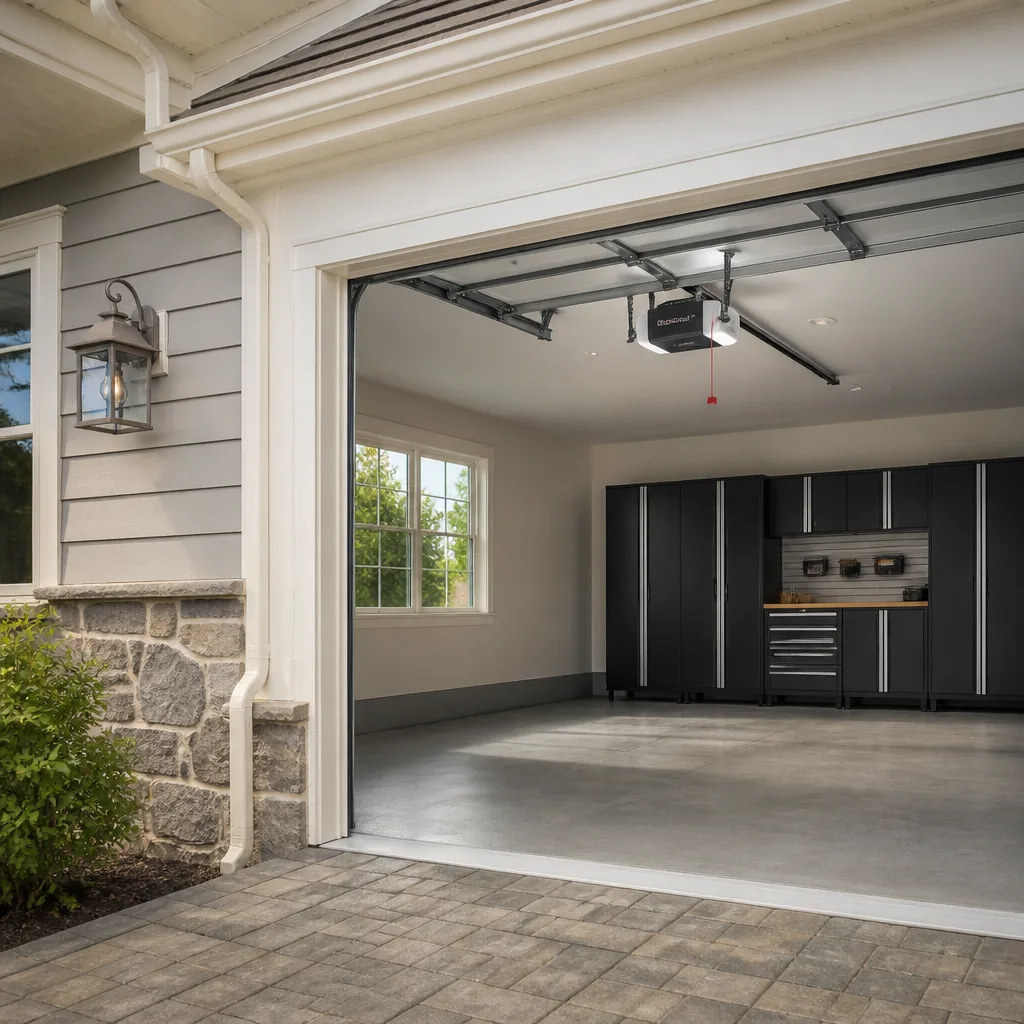 LiftMaster openers
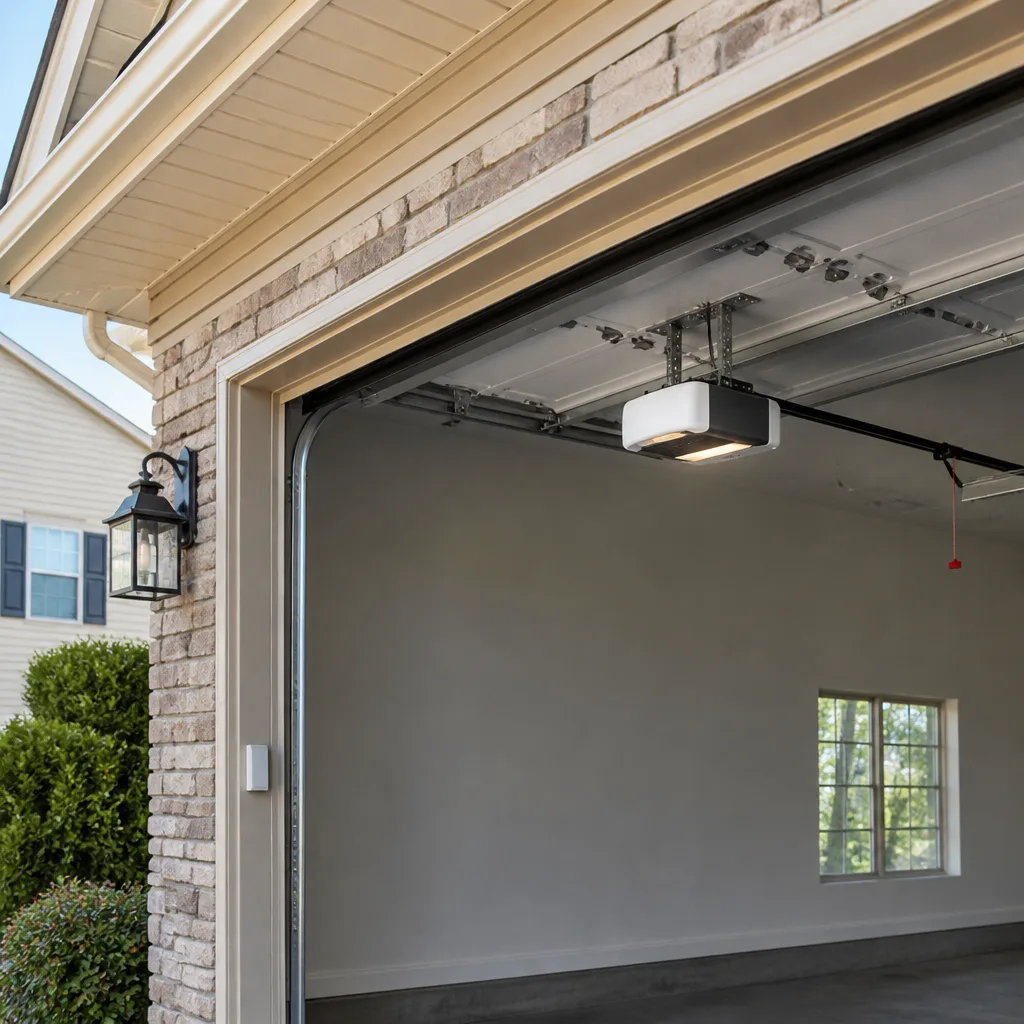 Chamberlain openers
Full 25-point door and opener safety check with every visit - springs, cables, rollers, tracks, and your LiftMaster or Chamberlain opener included
You get a price before we start. It does not change when the pro arrives.
Get your free estimateGarage Door Repair Troubleshooting in Apple Valley: Common Problems and How to Fix Them
A garage door that reverses before it closes isn’t broken. It’s communicating, and the message is almost always the same: a photo-eye or a force-limit setting has drifted out of spec. Most Apple Valley homeowners hear the motor run and assume the opener is the culprit, when the opener is often just reporting a problem somewhere else in the system. That gap between what a door sounds like it’s doing and what’s actually failing is where most misdiagnoses happen. This guide breaks garage door failures into six mechanical categories, names the actual components involved, and tells you which problems mean shut the door down now and which are safe to live with until a technician gets there.
Quick Answer
Most garage door problems fall into one of six categories: spring tension, cable seating, track alignment, opener logic, safety sensor faults, or seal and weatherstripping wear. Diagnosis starts with one question: is the failure on the opener side or the hardware side? A door that moves but won’t fully open or close is usually an opener or travel-limit issue. A door that won’t move at all, or moves unevenly, is usually a spring or cable problem. Spring and cable work is dangerous and needs a trained technician; sensors, limits, and seals are the parts a homeowner can safely inspect.
Styles & brands we work with
- Raised-panel steel
- Carriage house
- Modern flush
- Full-view glass
- LiftMaster openers
- Chamberlain openers
Table of Contents
- Opener-Side vs. Hardware-Side Failures: How to Tell Them Apart
- The Diagnostic Sequence for a Door That Moves But Won’t Fully Open or Close
- Testing Spring Tension With the Manual Disconnect
- When to Shut the Door Down Immediately
- Photo-Eye and Safety Sensor Problems
- How Minnesota Freeze-Thaw Cycles Throw Off Auto-Reverse
- Naming Your Components: Chamberlain, LiftMaster, Wayne Dalton, and Raynor
- What Garage Door Repairs Typically Cost in Apple Valley
Opener-Side vs. Hardware-Side Failures: How to Tell Them Apart
Two doors can look identical from the driveway and have completely different root causes. One won’t close because a Chamberlain logic board has lost its travel limits. The other won’t close because a torsion spring has lost tension and the opener is straining against a door that now weighs far more than it was rated for. The symptom looks the same. The repair, the risk, and the cost do not.
The split is straightforward once you know what to listen for.
Opener-side failures live in the motor unit, the control board, the safety sensors, or the travel-limit settings. Signs point here when:
- The motor runs but the door doesn’t move, or moves a few inches and stops.
- The door reverses immediately after touching the floor, or reverses before it reaches it.
- The wall button works but the remote doesn’t, or the reverse.
- The opener light flashes a code pattern instead of running the motor.
- The door operates fine by hand but erratically under power.
Hardware-side failures live in the springs, cables, drums, rollers, hinges, and tracks. Signs point here when:
- The door won’t budge even with the opener disengaged.
- The door feels heavy, or slams down instead of easing closed.
- The door hangs crooked, with one side higher than the other.
- You can see a gap in the spring coil, a cable off its drum, or a bent track section.
- The door makes a sharp bang or snap and then stops working entirely.
That last one is the classic torsion spring failure, and it’s the point where you stop and call rather than keep cycling the door. In our experience, roughly the same number of Apple Valley callouts turn out to be opener faults as spring faults, and the two get confused constantly because both leave a door that won’t close. If you can rule out the opener by disengaging it and lifting the door by hand, you’ve already narrowed the diagnosis before anyone arrives.
The Diagnostic Sequence for a Door That Moves But Won’t Fully Open or Close
A door that moves partway and then stops, reverses, or stalls is the most common call we get. It’s also the easiest to diagnose in order, because each step eliminates a whole category of cause. Work through these in sequence and you’ll usually land on the fault before step five.
- Check the safety sensors first. Look at the two photo-eyes mounted near the floor on each side of the opening. Each should have a steady indicator light. A flickering or dark light means misalignment, a dirty lens, or a wiring fault. Wipe the lenses, check that nothing (a broom, a recycling bin, a snow shovel) is blocking the beam, and confirm both brackets point at each other. This alone resolves a large share of “door won’t close” calls.
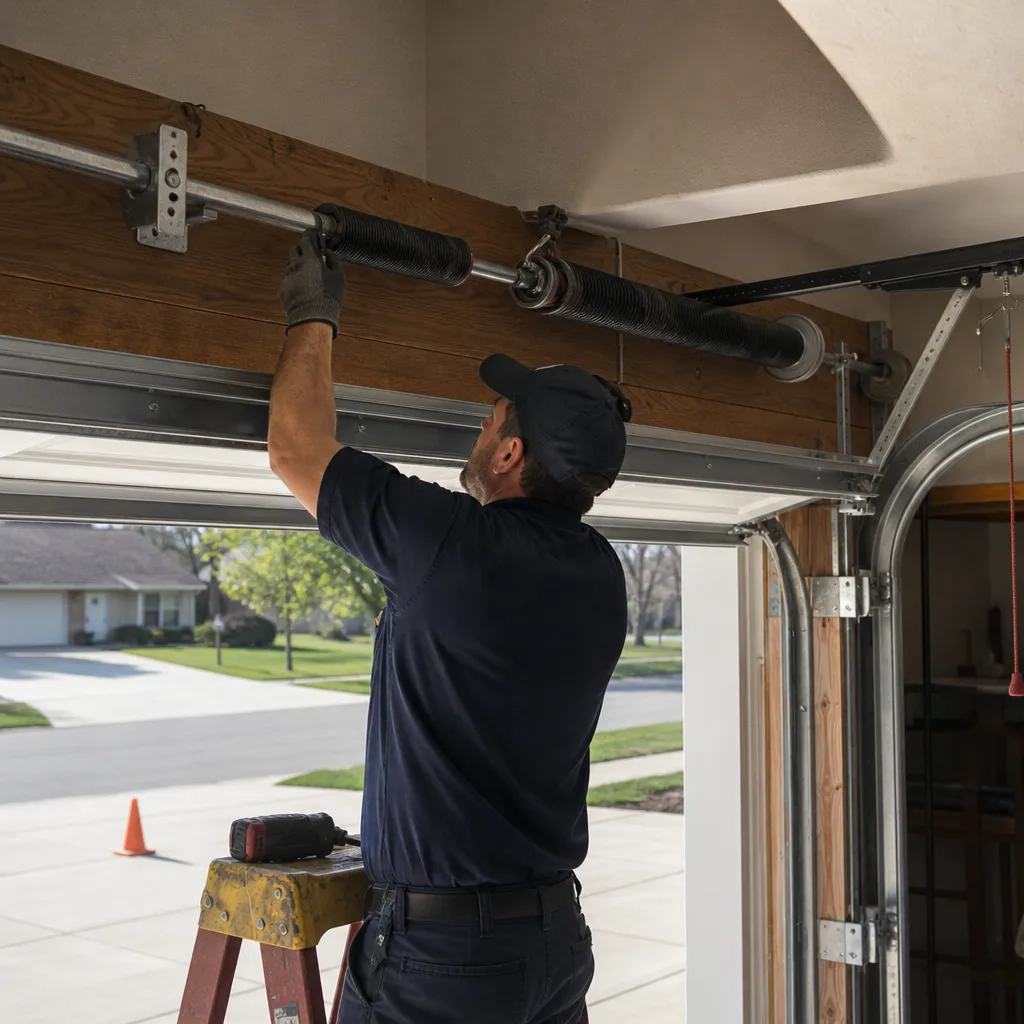
- Test the door by hand with the opener disengaged. Pull the manual release cord to disconnect the carriage from the opener. Lift the door halfway and let go. A properly balanced door holds its position. A door that drops means the springs aren’t carrying the weight, which is a hardware problem, not an opener problem.
- Look at the travel limits. If the door stops short of the floor or reverses before fully closing, the open and close limit settings on the opener have drifted. On LiftMaster and Chamberlain units these are typically set with adjustment screws or through the control panel, depending on the model. Correct limits restore full travel.
- Check the force sensitivity setting. Openers are designed to reverse when they meet resistance. If the force setting is too low, a slightly stiff door, a cold morning, or a seal dragging on the floor will trigger a false reversal. This is common in Apple Valley once temperatures drop and the bottom seal stiffens.
- Inspect the tracks and rollers. Run your eye down both vertical and horizontal tracks. Look for dents, debris, or a roller that’s popped out of its channel. A single misaligned track section can stall a door at the same point every time.
- Check the balance and cable seating. With the door disengaged, look at the cables running down each side. They should sit cleanly in the drum grooves. A cable that’s jumped the drum or looks frayed is a stop-now condition, not a keep-testing condition.
Steps one through four are safe for a homeowner to check. Steps five and six are visual only. Don’t attempt to adjust springs or reseat a cable under tension. That’s the boundary where a trained technician with the right winding bars takes over.
Testing Spring Tension With the Manual Disconnect
The manual disconnect is the single most useful diagnostic tool a homeowner has, and most people never use it. It separates the opener from the door so you can feel what the hardware is actually doing.
Here’s how the balance test works. With the door fully closed, pull the release cord hanging from the opener carriage. You’ll hear it click as the carriage disconnects. Now lift the door by hand to about waist height and let go.
- Door holds its position: springs are balanced correctly. Any problem is on the opener side.
- Door drops or falls: springs have lost tension or one has broken. The door is now much heavier than the opener is designed to lift. Stop using the opener.
- Door rises on its own: springs are over-tensioned, which strains the opener and the hardware.
- Door lifts hard and hangs crooked: likely a broken spring on one side of a two-spring system, or a cable issue.
A word of caution that matters. Never attempt to test, adjust, or replace a torsion spring yourself. Garage door springs store an enormous amount of energy, and a torsion spring under tension can cause serious injury if it releases unexpectedly. This is the one repair in the entire system where the DIY instinct is genuinely dangerous. If the balance test tells you the springs are the problem, that’s your signal to call a technician, not to open a toolbox. Our garage door spring repair work is handled by technicians who’ve done it hundreds of times, with the proper winding bars and the door secured before anything is touched.
When to Shut the Door Down Immediately
Not every problem is urgent. Some are safe to operate while you wait for a scheduled repair. Others mean the door should not be cycled again until a technician has seen it. Getting this distinction right protects both your property and the people in it.
Stop using the door immediately if:
- A torsion spring has snapped. You’ll usually hear it. The door becomes extremely heavy, and continuing to run the opener can damage the motor, the carriage, or the panels.
- A cable is frayed, kinked, or off its drum. A cable under tension that fails can whip with force. This is a genuine injury risk, not a nuisance.
- The door hangs visibly crooked or a panel is cracked. A door operating out of square can bind, drop suddenly, or pull free of its track.
- The door won’t stay up on its own. If it creeps down after you lift it, the springs aren’t holding and the door can close on a person or vehicle.
- A track is bent badly enough that the door binds. Continuing to force it can bend the track further and damage panels.
Generally safe to operate temporarily:
- A single failed remote or a dead keypad battery.
- A dirty or slightly misaligned photo-eye on a door that otherwise runs smoothly.
- A worn bottom seal that lets in drafts but doesn’t affect operation.
- A noisy roller or hinge that isn’t affecting travel.
When in doubt, disconnect the opener and use the door by hand only if it lifts and holds safely. If it doesn’t hold, leave it closed, secure the property another way, and call. Our emergency garage door service exists for exactly this scenario: a door that won’t open or close and leaves the house unsecured or the car trapped. We answer 24/7 at (844) 623-0656, and we dispatch technicians from 7am to 7pm, Sunday through Friday.
Photo-Eye and Safety Sensor Problems
Photo-eye faults are the most common cause of a door that reverses before closing, and also the most frequently misdiagnosed. A homeowner sees the door reverse, assumes the opener is failing, and schedules a repair that turns out to be a ten-minute sensor alignment. Understanding how the system works saves you that call.
Every modern residential opener, including LiftMaster and Chamberlain units, uses a pair of photo-eyes mounted near the floor on each side of the opening. One shoots an invisible infrared beam; the other receives it. If the beam is broken while the door is closing, the opener reverses the door immediately. This is a safety feature designed to prevent the door from closing on a person, pet, or object. It works exactly as intended. The problem is how easily the beam gets interrupted.
Common causes of photo-eye faults:
- Misalignment. A bumped bracket, a shifted mounting screw, or a door that’s settled can throw the beam off target. Both lenses need to point directly at each other.
- Dirt and debris. Dust, cobwebs, or road grit on the lens blocks the beam. A soft cloth fixes this.
- Obstruction. A stored item, a landscaping tool, or a bag of salt sitting in the beam path. In Apple Valley winters, snow piled near the door opening can also block a sensor.
- Sunlight interference. Direct low-angle sun hitting the receiving eye can overwhelm the sensor, which is why some doors behave differently at certain times of day.
- Wiring faults. A nicked or disconnected sensor wire causes intermittent behavior. Look for a wire running from the sensor back to the opener head and check it’s intact.
The fix is usually simple: wipe both lenses, confirm both indicator lights are steady, and check that nothing sits in the beam. If a light stays dark after cleaning and realignment, the sensor or its wiring needs professional attention. That’s a diagnostic we handle as part of garage door opener repair, and it’s worth knowing that a stubborn sensor fault can also be a sign of a failing logic board on an older unit.
How Minnesota Freeze-Thaw Cycles Throw Off Auto-Reverse
Apple Valley winters do something to garage doors that warmer climates never see. Freeze-thaw cycles work on the bottom seal, the concrete apron, and the opener’s force settings all at once, and the result is a door that behaved perfectly in October and starts reversing in January.
Here’s the mechanism. The bottom seal is a rubber or vinyl astragal that compresses against the floor to seal out drafts, water, and pests. Through a Minnesota winter, moisture gets under and around that seal, freezes overnight, and expands. The seal stiffens, the concrete apron heaves slightly, and the door now meets resistance right at the point of closing. The opener’s force-limit setting reads that resistance as an obstruction and reverses the door. Nothing is broken. The system is doing its job with a changed set of conditions.
What Apple Valley homeowners typically run into:
- Stiff seals that drag on the floor. A cold-stiffened seal pushes back against the door, tripping the force limit.
- Ice buildup at the threshold. Meltwater refreezes at the door line and blocks full closure.
- Condensation and frost on the sensors. A frosted lens can’t pass the beam cleanly.
- Contraction in the tracks and hardware. Metal shrinks in cold, and a track that was snug in summer can bind slightly in deep winter.
The practical fix is to clear ice and snow from the threshold, wipe frost off the sensors, and have the force setting checked if the problem repeats. A worn or hardened seal is worth replacing before winter sets in; a fresh, pliable seal handles the cold far better than one that’s been compressed for years. If your door reverses every cold morning, don’t assume the opener is failing. It’s often the seal, the threshold, or the force setting, and that’s a much smaller repair. We handle this kind of garage door repair regularly through the cold months, and it’s one of the reasons we ask about season and door age before we diagnose.
Naming Your Components: Chamberlain, LiftMaster, Wayne Dalton, and Raynor
Knowing what you have before you call makes the whole process faster. Garage doors and openers vary in how their springs, cables, and logic boards are built, and a technician who knows the brand and model can bring the right approach and often the right part. Here’s how to identify what’s on your door.
Find the opener brand and model. Look at the motor unit hanging from the ceiling. The brand name is usually molded into the housing, and a label on the back or side lists the model number. LiftMaster and Chamberlain are the two most common residential openers in the U.S., and both use similar logic board and travel-limit designs. Genie units use a different control layout. Note the model number; it tells a technician whether your unit uses mechanical limit screws or a digital control panel.
Identify the door brand. Door manufacturers stamp or label their panels. Clopay, Amarr, Wayne Dalton, and Raynor are among the most widely installed residential doors, and each has its own hardware conventions. Wayne Dalton doors in particular use a torsion rod system that differs from a standard torsion tube, and knowing that upfront changes how a spring repair gets approached.
Identify the spring system. Open the door and look above it. You’ll see one of two setups:
- Torsion springs: mounted horizontally on a shaft above the door. Common on heavier doors and most modern installations.
- Extension springs: mounted vertically along the tracks on each side, running parallel to the door when closed.
Count the springs. A single-spring system and a matched pair are repaired differently and priced differently. Two springs are usually replaced together as a set, since a matched pair wears at the same rate.
Check the sensors. Photo-eye style and mounting vary by opener brand, and older systems may use different wiring. A quick photo of the sensor setup and the opener label is genuinely useful to send ahead.
We service all of the major residential brands, including LiftMaster, Chamberlain, Genie, Clopay, Amarr, Wayne Dalton, Craftsman, and Raynor, so whatever you find on that label, we’ve worked on it before.
What Garage Door Repairs Typically Cost in Apple Valley
Garage door repair pricing in Apple Valley depends on which component has failed, whether it’s a single part or a matched pair, and how accessible the hardware is. The ranges below are typical estimates for common repairs. They’re a starting point for planning, not a quote. Your written estimate sets the final price, and it’s agreed before any work starts.
| Repair Type | Typical Estimated Range |
|---|---|
| Torsion spring replacement (one spring) | $180 – $340 |
| Extension spring replacement (one spring) | $120 – $250 |
| Matched pair of springs | About twice the single-spring range |
| Photo-eye sensor realignment or replacement | $100 – $200 |
| Opener logic board replacement | $150 – $350 |
| Travel-limit or force-setting adjustment | $90 – $180 |
| Cable replacement | $120 – $280 |
| Track realignment or roller replacement | $100 – $250 |
| Bottom seal replacement | $90 – $200 |
A few things worth understanding about these numbers. If you have a two-spring torsion system and both springs need replacement, the pair is usually replaced together, and the cost reflects two springs, not one. A spring that’s failed and taken a cable with it will land at the higher end of the combined range. Opener repairs vary by brand and model, since a Chamberlain logic board is not the same part as a Genie logic board.
The estimate is free, and the price you’re quoted is the price you pay. We don’t give a verbal range and then change it once the technician is on-site; the written estimate is agreed before anything is touched. Call (844) 623-0656 for a free estimate on your specific door. We answer 24/7, with fast dispatch from 7am to 7pm, Sunday through Friday.
Common Mistakes to Avoid
- Assuming the opener is the problem. Most “opener failures” turn out to be sensor, seal, or spring faults. Test the door by hand with the opener disengaged before you price a new opener.
- Adjusting the force setting to force a stubborn door shut. Cranking up the force to get a door past an obstruction defeats the safety feature and can close the door on a person or pet. Fix the obstruction instead.
- Attempting a spring replacement yourself. Garage door springs store enormous energy. A torsion spring under tension can cause serious injury, and the proper winding bars are not the same as a general tool set. This is the repair to hand off.
- Ignoring a frayed cable. A cable under tension that fails can whip unpredictably. A frayed or off-drum cable is a stop-using-it condition, not a wait-and-see condition.
- Skipping the winter seal check. In Apple Valley, a stiff or worn bottom seal is behind a huge number of cold-morning reversals. Replace it before the freeze sets in rather than chasing a force-setting fix all winter.
- Operating a door that hangs crooked. A door out of square binds on its tracks and can pull free. Straighten the diagnosis before cycling it again.
- Buying a new opener when a logic board will fix it. If the motor runs fine and the sensors are clean, the fault may be a control board rather than the whole unit. Get it diagnosed before you replace.
- Not noting the brand and model. A quick photo of the opener label and the spring setup speeds up diagnosis and often means the right part shows up the first time.
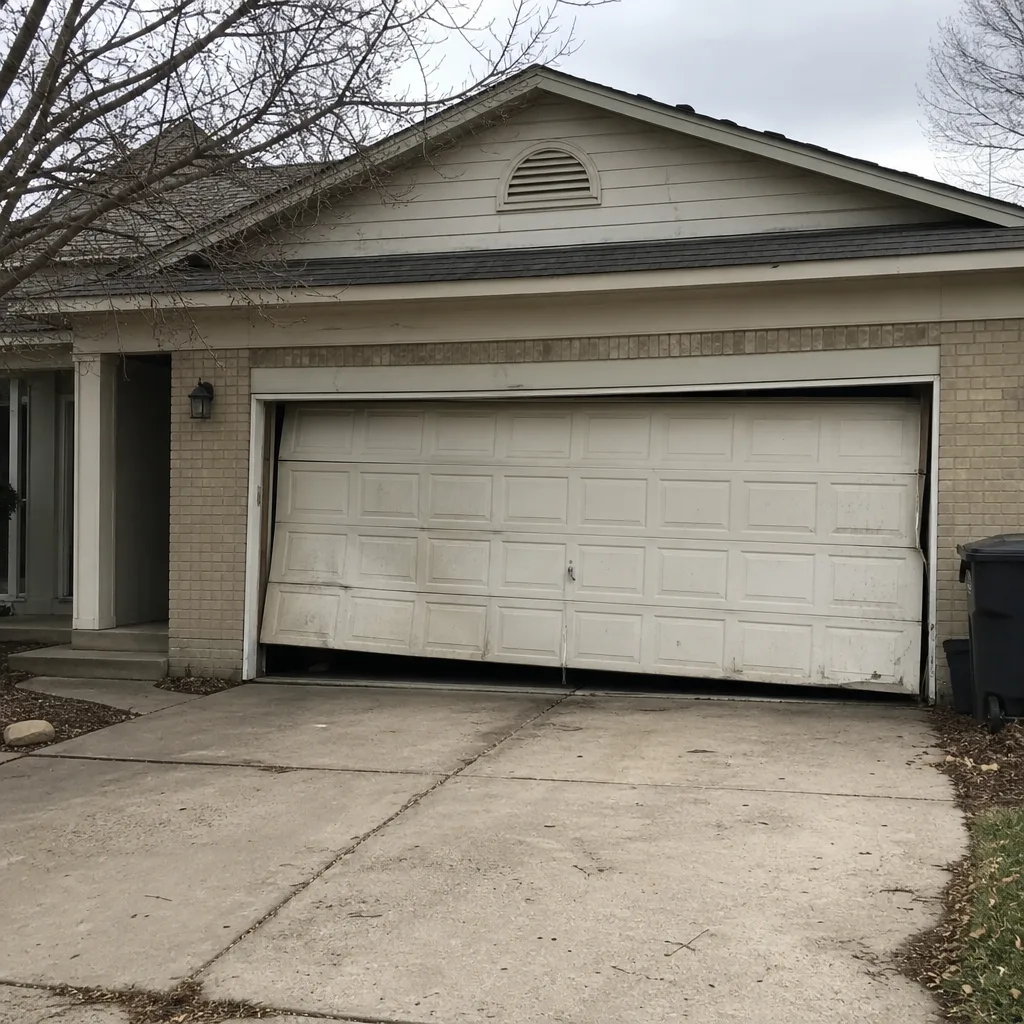
See the difference
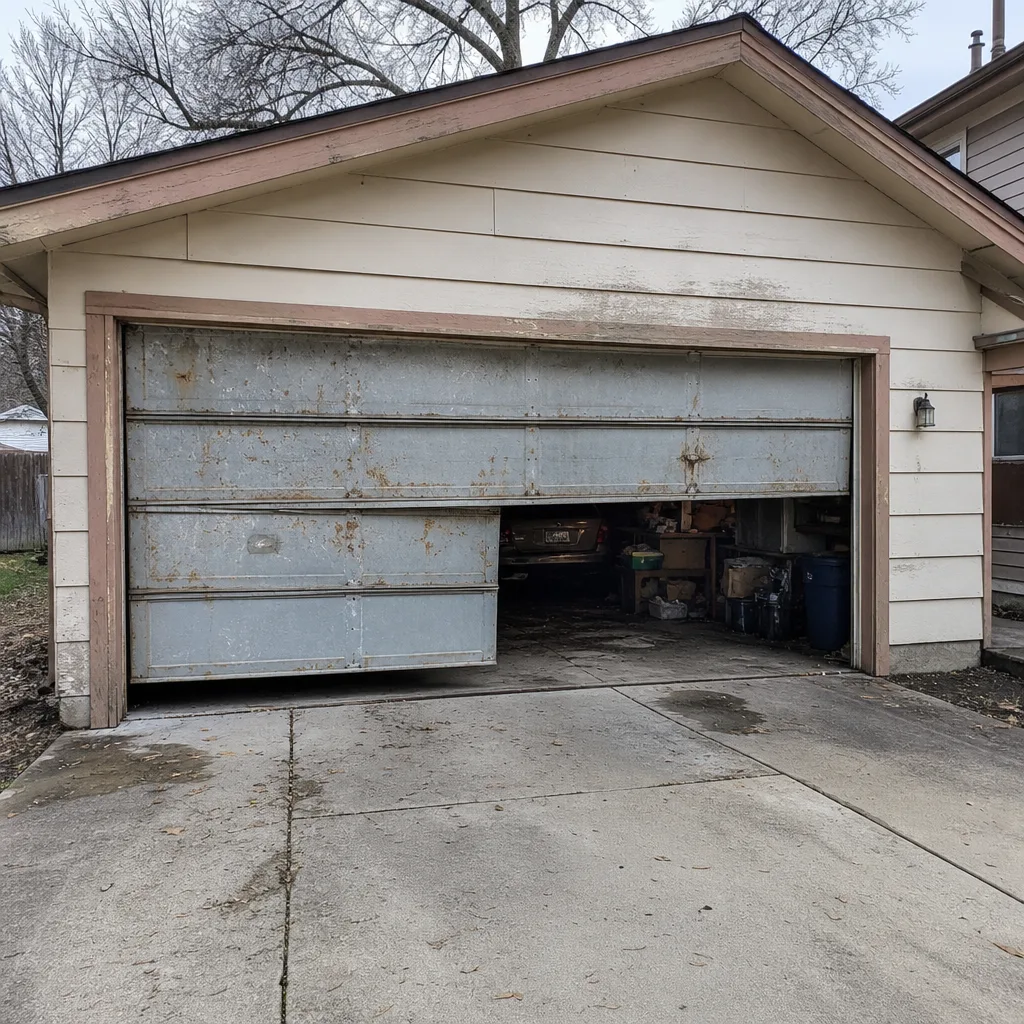 Before
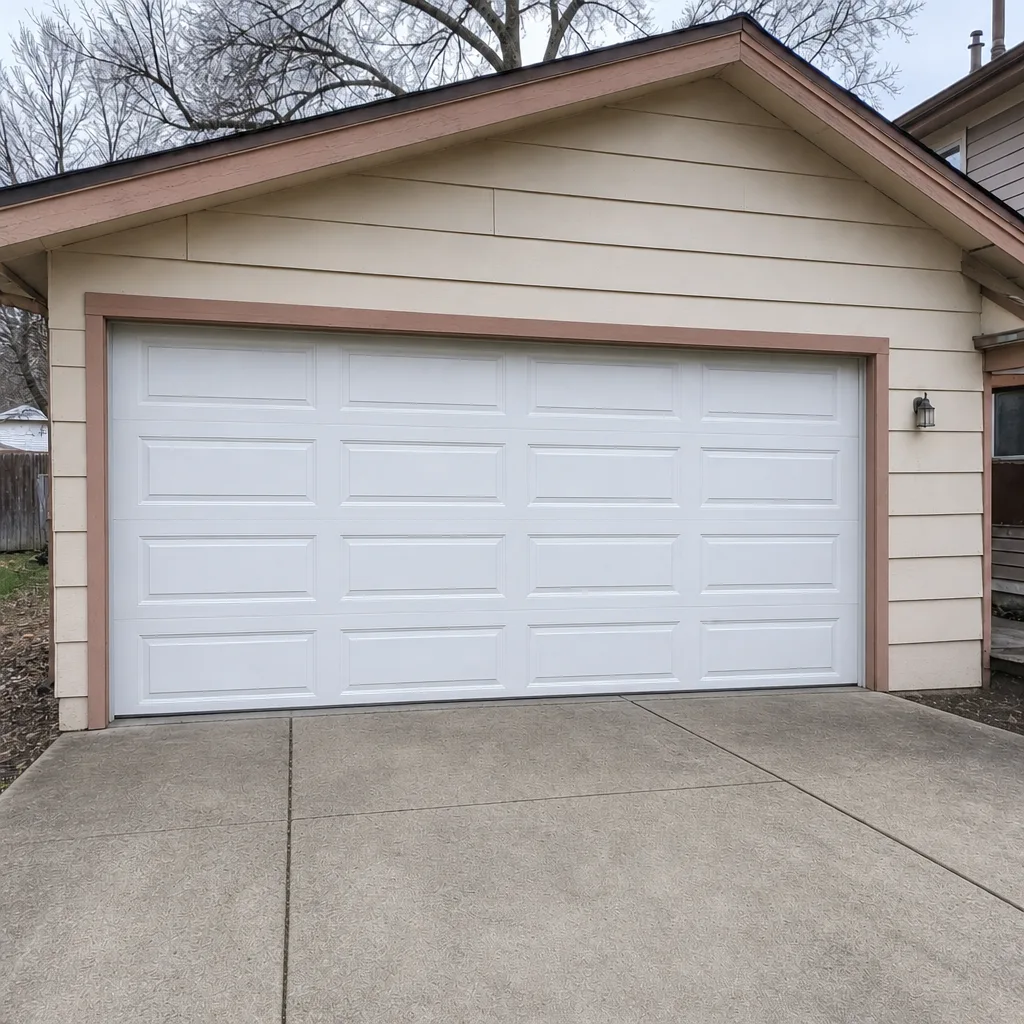 After
 Before
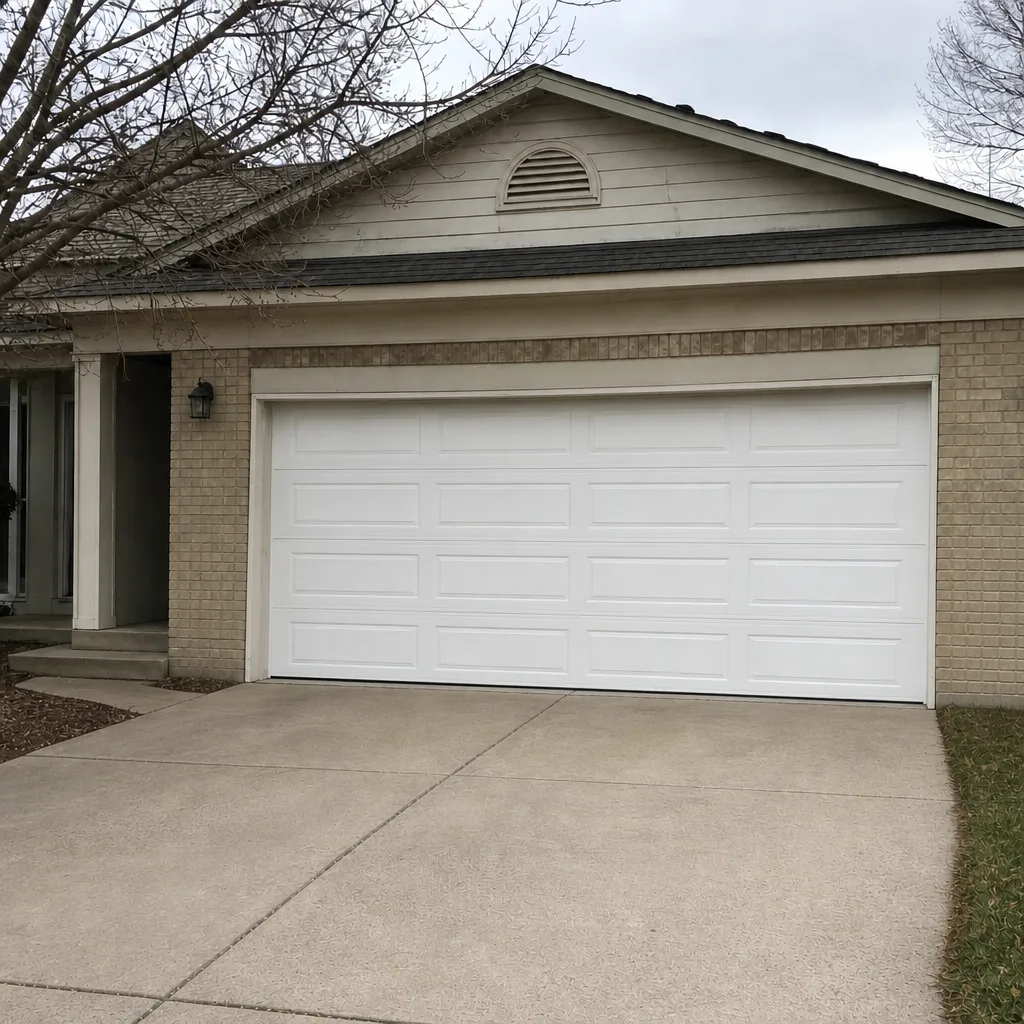 After
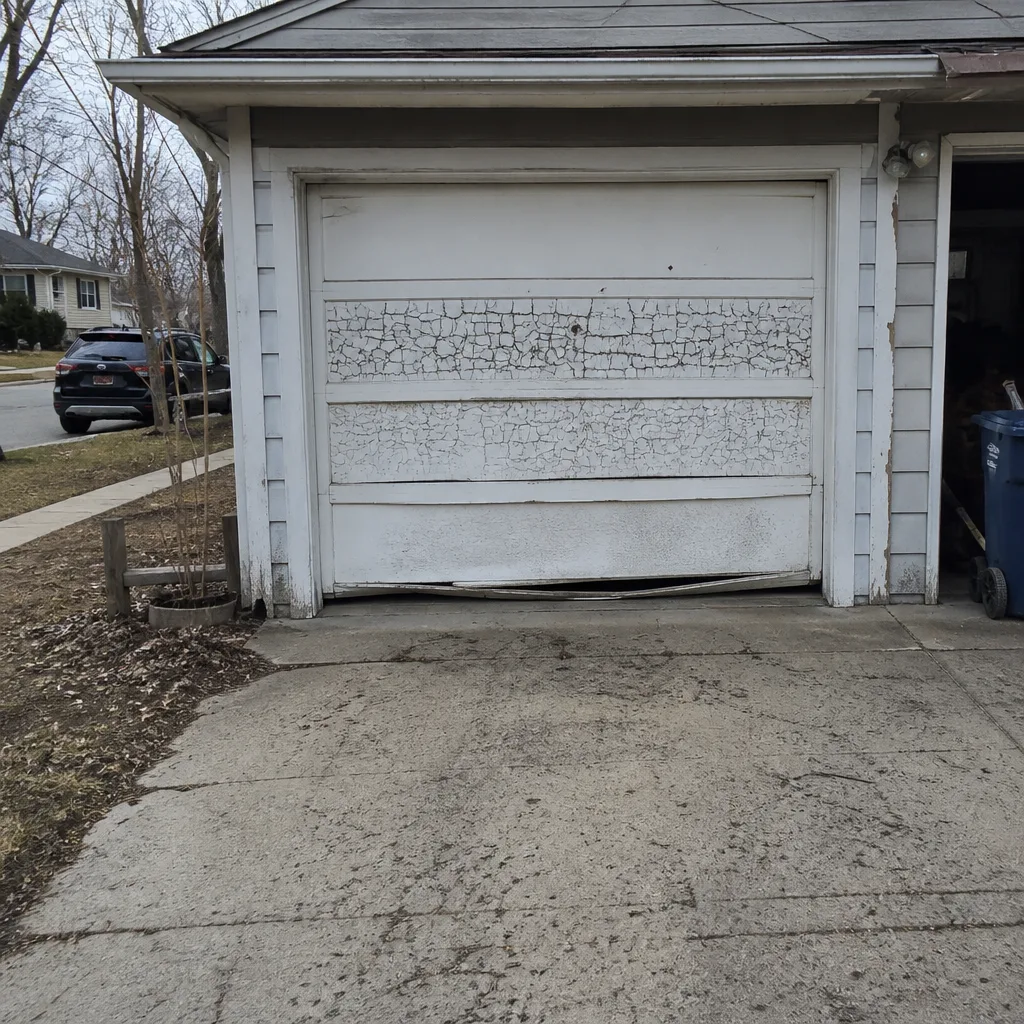 Before
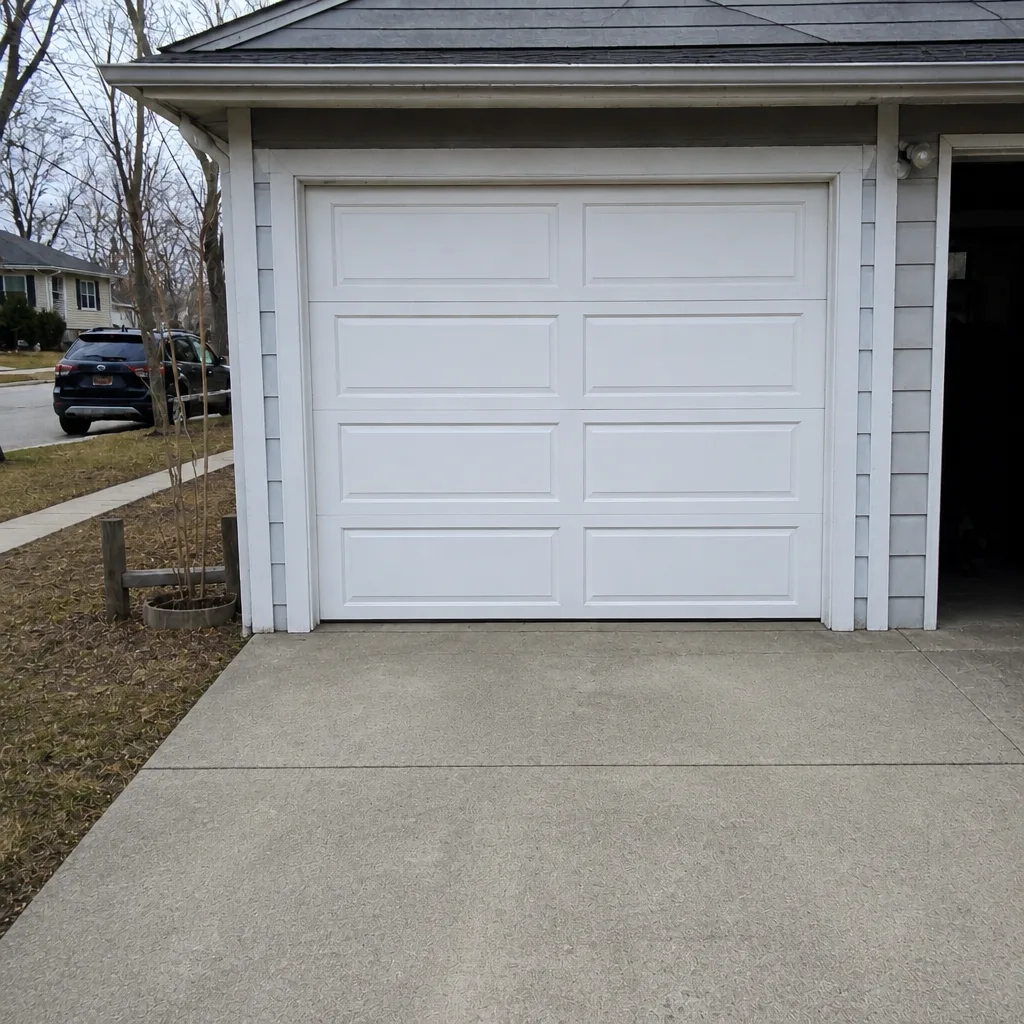 After
When to Call a Professional
Call a professional any time the balance test tells you the springs are involved, any time you see or hear a failed spring or a frayed cable, and any time the door hangs crooked or won’t hold its position. Those are the conditions where continuing to operate the door can cause damage or injury. Call for persistent opener faults too: a logic board that needs diagnosis, a sensor that won’t stay aligned, or travel limits that keep drifting after adjustment. Apple Valley winters are also worth a professional look if your door reverses on cold mornings despite a clean sensor and clear threshold, since the fix may be a seal, a threshold, or a force setting that needs a trained eye. Garage Door Repair Apple Valley offers free estimates in Apple Valley. Call (844) 623-0656 to book one.
If you’re weighing a repair against a full replacement, we also handle Garage Door Repair Apple Valley across the full range of door and opener issues, and our technicians have up to 15 years of experience with the residential brands most homes here use.
Frequently Asked Questions
Torsion spring repair in Apple Valley typically runs $180 – $340 for one spring and about twice that for a matched pair, which is usually replaced together. Extension spring replacement runs $120 – $250 per spring. If a failed spring has also damaged a cable, expect the higher end of the combined range. Call (844) 623-0656 for an exact quote. Estimates are free, and the written price is agreed before any work starts.
We handle urgent failures as emergency garage door service, and same-day service is available for a door that won’t open or close and leaves your property unsecured. Call (844) 623-0656. We answer 24/7, with fast dispatch from 7am to 7pm, Sunday through Friday. For a broken spring or a door that won’t hold its position, disengage the opener and keep the door still until a technician arrives.
No. The written estimate sets the price, and it’s agreed before any work starts. If the diagnosis turns up a second issue, we’ll explain it and get your approval before proceeding. You won’t get an invoice larger than the quote you agreed to. Call (844) 623-0656 for a free estimate.
The local pros we connect you with are licensed and insured as Minnesota requires, and our technicians have up to 15 years of experience with residential garage doors and openers. Spring and cable work is handled by trained technicians with the proper tools, never by untrained hands. Call (844) 623-0656 for a free estimate.
Cold-weather reversal almost always traces to a stiffened bottom seal, ice at the threshold, frost on the sensors, or a force-limit setting that’s too sensitive for the changed conditions. In Apple Valley, freeze-thaw cycles are behind most of these. Clear the threshold, wipe the sensors, and if it repeats, have the force setting and seal checked. Call (844) 623-0656 to book a diagnostic.
No. Garage door springs are the most dangerous component in the system, and a torsion spring under tension can cause serious injury if it releases unexpectedly. This is the one repair where the DIY approach is genuinely dangerous. Our technicians handle spring repair with proper winding bars and the door secured first. Call (844) 623-0656 for a free estimate.
The Bottom Line
A garage door problem tells you what’s wrong before anyone arrives, if you know which of the six categories you’re in. Test the door by hand with the opener disengaged to separate opener faults from hardware faults. Clean and check the photo-eyes before assuming the motor is failing. In Apple Valley, a cold-morning reversal is more likely a stiff seal or a force setting than a broken opener. And when the balance test points to springs or cables, stop, don’t cycle the door, and call. The right diagnosis before the first repair saves money, time, and risk. Garage Door Repair Apple Valley covers spring repair, opener service, general repair, emergency service, and full installation. Call (844) 623-0656 for a free estimate.
Written by the team at Garage Door Repair Apple Valley.