
Last updated November 22, 2026
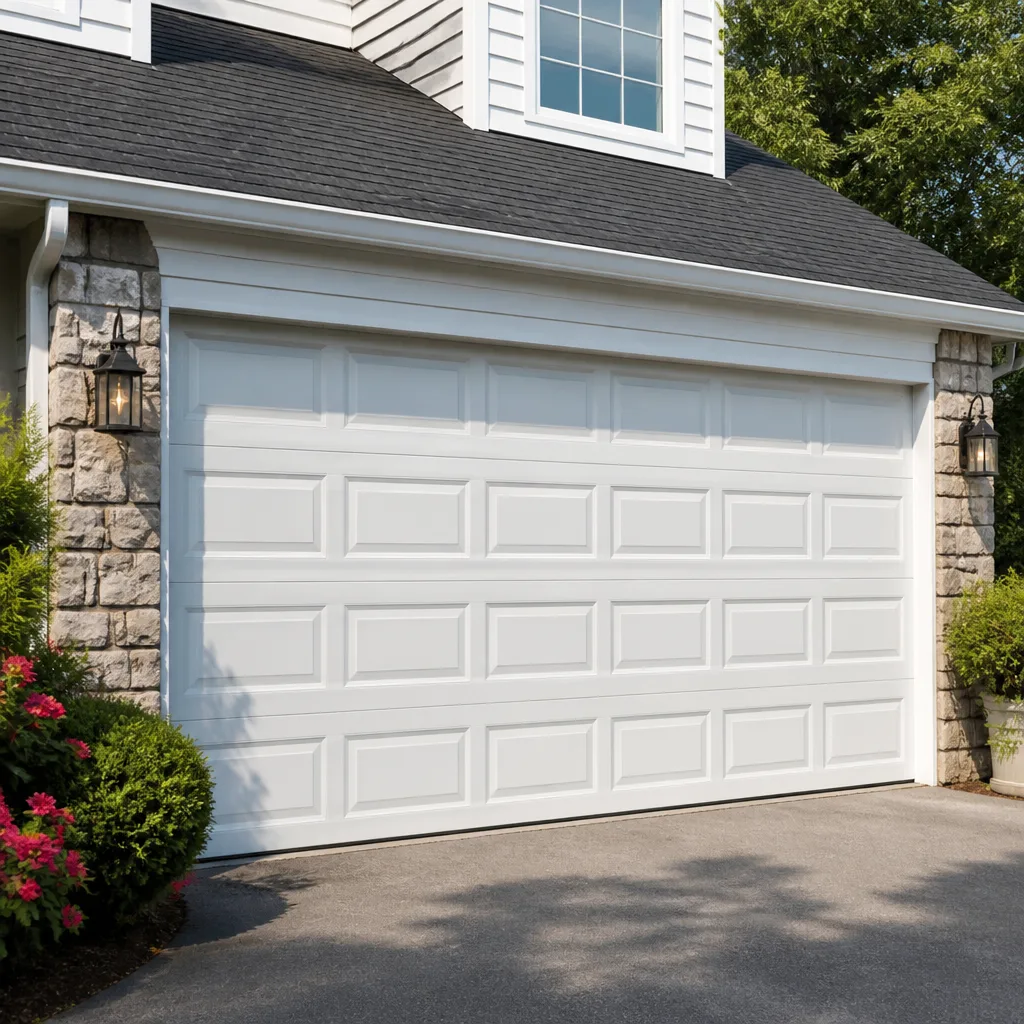 Raised-panel steel
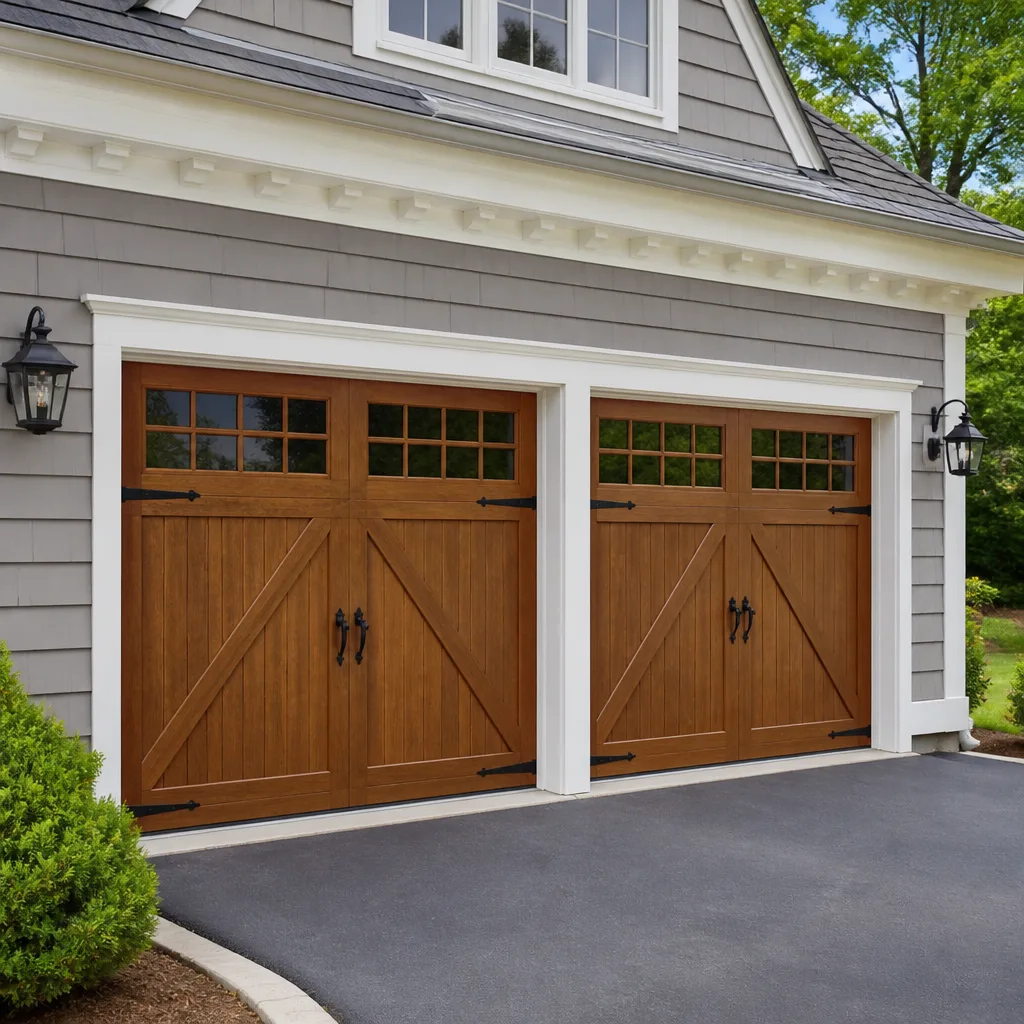 Carriage house
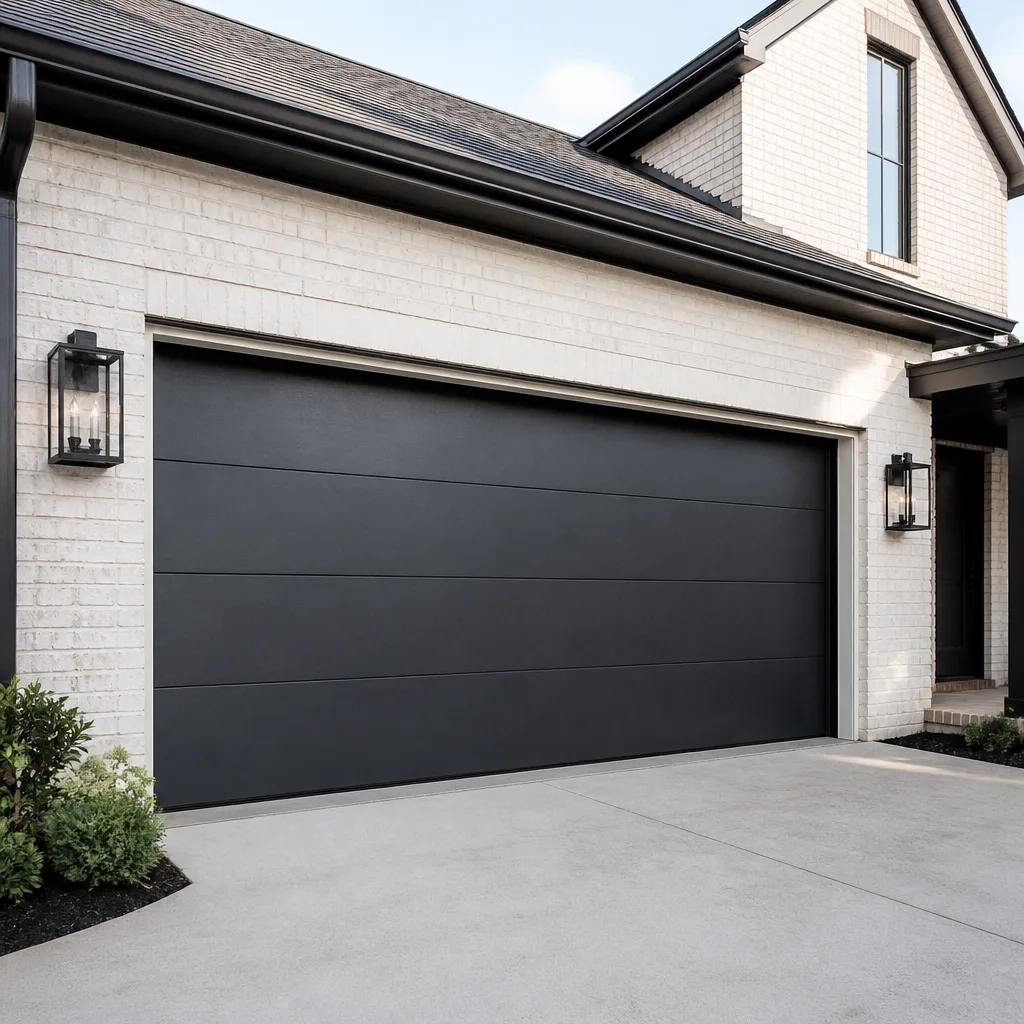 Modern flush
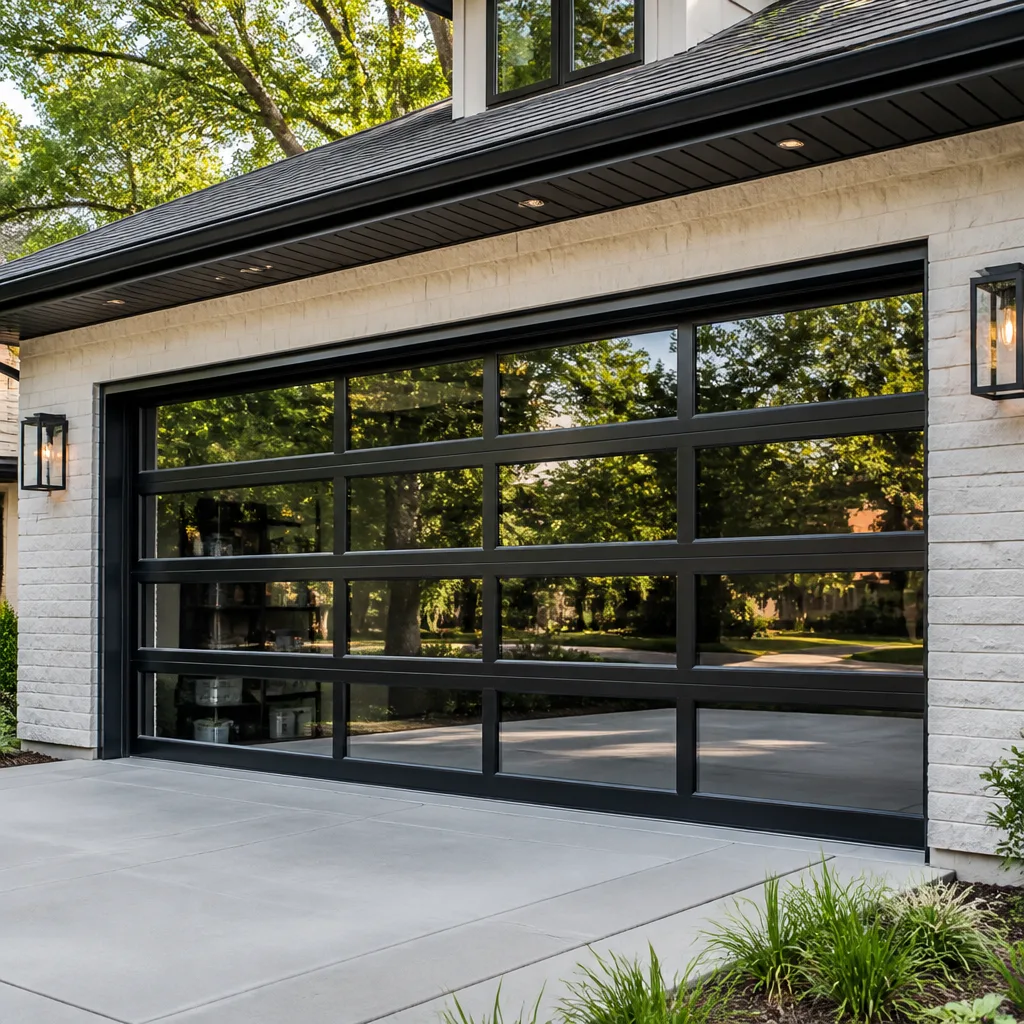 Full-view glass
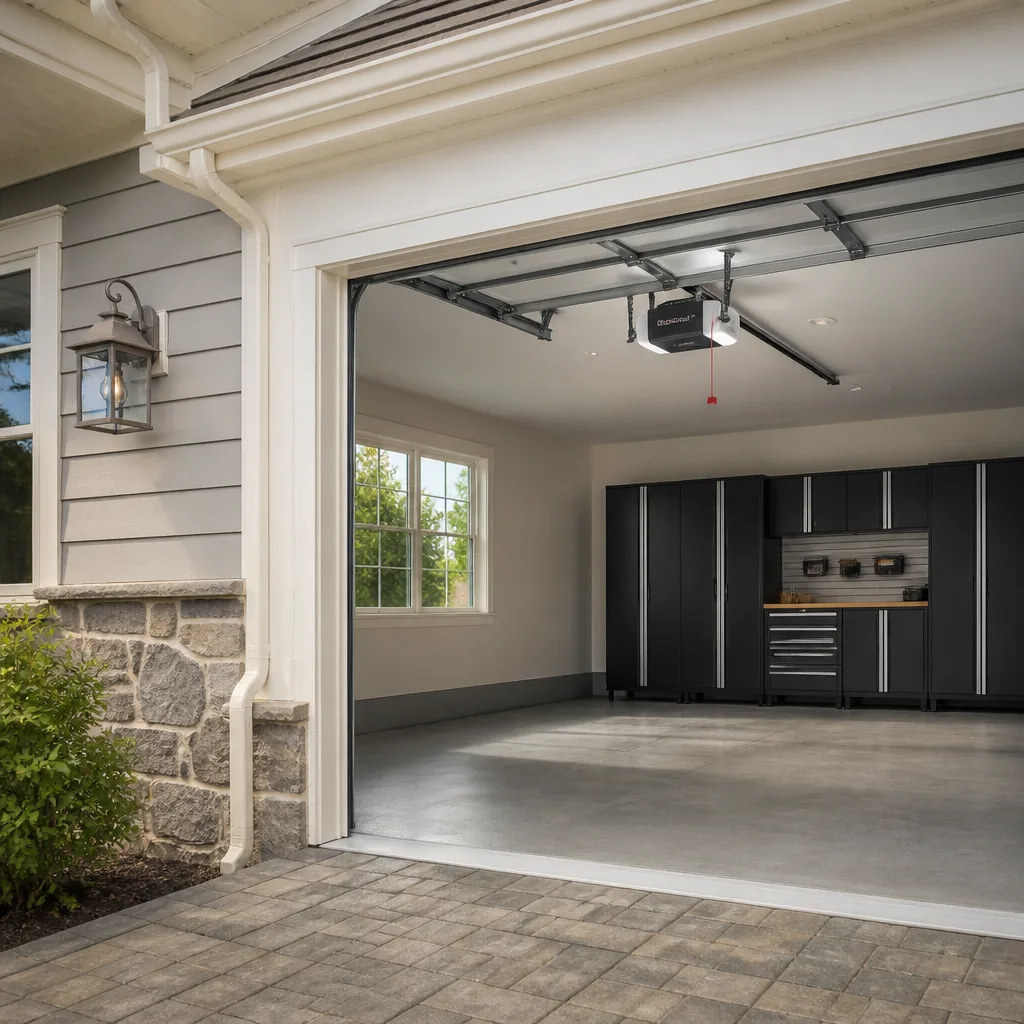 LiftMaster openers
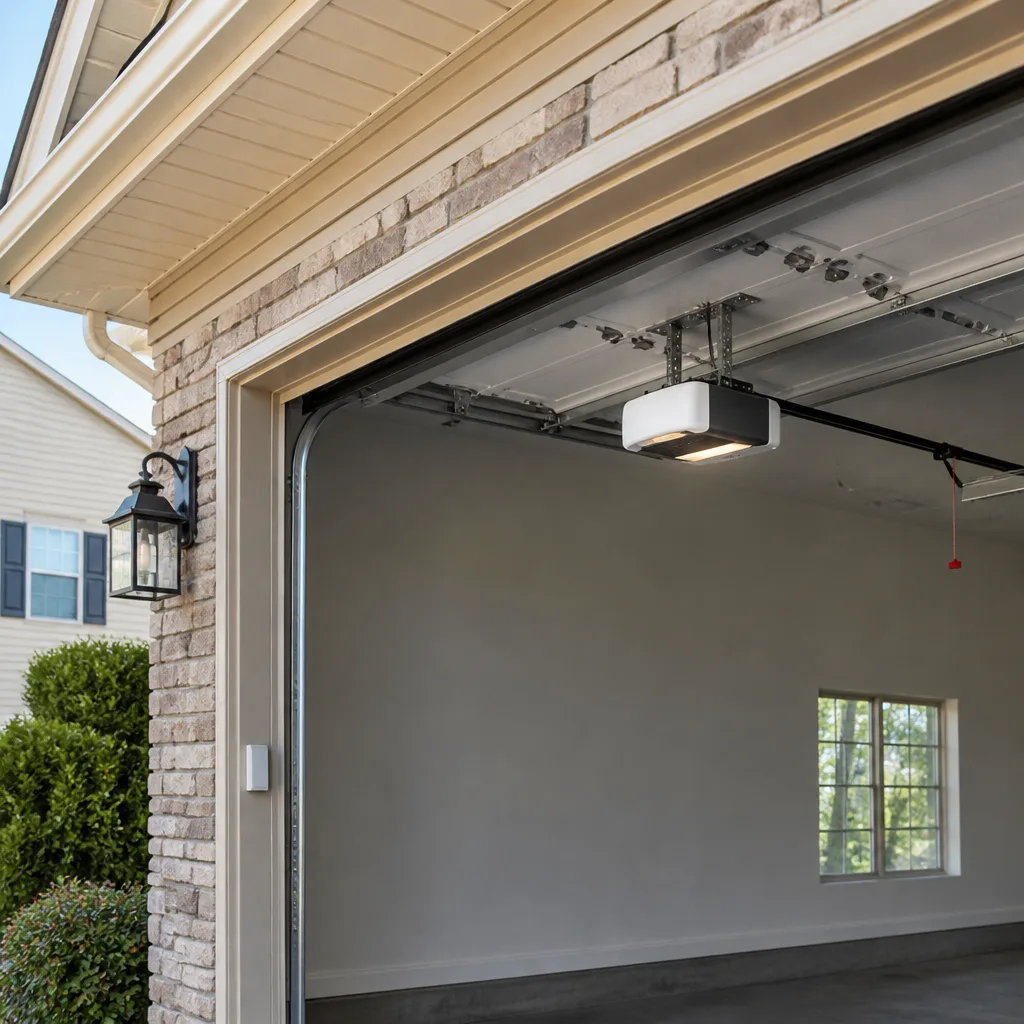 Chamberlain openers
Full 25-point door and opener safety check with every visit - springs, cables, rollers, tracks, and your LiftMaster or Chamberlain opener included
You get a price before we start. It does not change when the pro arrives.
Get your free estimateHow to Hire a Garage Door Contractor in Apple Valley: A Step-by-Step Guide
A broken spring is usually a 90-minute job for a specialist. It becomes a half-day job, with a higher callback rate, when the technician measures the wrong wire diameter and installs an undersized replacement. You can’t tell from the invoice. The difference between a qualified garage door specialist and a general handyman isn’t visible on a quote. It shows up in the diagnostic process, the parts sourced, and whether the repair addresses the root cause or just the symptom. This guide gives you the specific questions and red flags that surface that difference before money changes hands in Apple Valley.
Quick Answer
Hire a garage door contractor in Apple Valley by asking three technical questions a generalist can’t answer: how they calculate spring IPPT, how they verify track radius compatibility, and how they check opener head clearance. Then verify their insurance certificate, read the quote line by line for wire gauge and cycle rating, and confirm whether parts are OEM or aftermarket. A contractor who stumbles on those questions or dodges the paperwork isn’t the right call, no matter how good the price looks.
Styles & brands we work with
- Raised-panel steel
- Carriage house
- Modern flush
- Full-view glass
- LiftMaster openers
- Chamberlain openers
Table of Contents
- Why Apple Valley Conditions Make Contractor Choice Matter
- The Three Technical Questions a Generalist Can’t Answer
- What Minnesota Licensing Covers for Garage Door Work
- How to Read a Garage Door Quote Line by Line
- Red Flags Specific to Emergency Service Calls
- How to Verify Parts Provenance: OEM vs. Aftermarket
- A Step-by-Step Process for Hiring in Apple Valley
- Why Brand-Specific Knowledge Shortens the Job
Why Apple Valley Conditions Make Contractor Choice Matter
Apple Valley sits in the south metro, and the winters here put more stress on a garage door system than most homeowners realize. The freeze-thaw cycle that runs from late fall through early spring works on every moving part: springs cycle through contraction and expansion, tracks shift as the ground heaves, and the rubber seal at the bottom of the door takes a beating from ice buildup. A door that worked fine in October can develop a misalignment by January that a technician needs to trace back to its source rather than patch at the surface.
That’s the first reason contractor choice matters here. A specialist working in Apple Valley regularly sees how the local climate stresses specific components. They know which spring sizes fail faster under repeated thermal cycling, and they know how to check a track for frost heave damage rather than assuming the door is simply out of adjustment. A generalist who does garage door work as a side job won’t have that pattern recognition.
The second reason is the housing stock. Apple Valley has a wide mix of door systems, from older single-car doors on established streets to newer double-door installations in the developments that went up through the 1990s and 2000s. That range means a contractor working here needs to be comfortable with several manufacturers. We work on your brand regardless of what’s on your door, and the technicians we connect you with have hands-on familiarity with Amarr, Wayne Dalton, Craftsman, Raynor, Clopay, LiftMaster, Chamberlain, and Genie systems.
The third reason is timing. When a door fails in Apple Valley in February, you’re not just dealing with a broken spring. You’re dealing with a door that won’t close, a garage that’s now open to the cold, and a vehicle that may be trapped inside. That’s an emergency, and the contractor you call needs to be set up to handle it. We answer 24/7. Fast dispatch from 7am to 7pm, Sunday through Friday.
The Three Technical Questions a Generalist Can’t Answer
Here’s the fastest way to separate a specialist from a generalist: ask these three questions and listen to how the answer comes back. A trained technician answers them directly and specifically. A generalist either guesses or deflects to “we’ll figure it out when we get there.” Either way, you learn what you need to know before you commit.
1. How do you calculate the IPPT for my spring?
IPPT stands for inch-pounds per turn. It’s the measurement of how much torque a torsion spring produces per revolution, and it’s determined by the wire diameter, the inside diameter of the spring, and the length of the coil. A technician who knows what they’re doing will measure the existing spring with a caliper, run the calculation, and match the replacement to the door’s actual weight and height. If they say “we just bring the same size spring,” that’s a warning sign. Wire diameter differences of a few thousandths of an inch matter, and getting it wrong means the spring either won’t lift the door or will fail early. This is also the reason spring work is not a DIY job: the springs are under extreme tension, and a mistake can cause serious injury. We handle garage door spring repair with the proper tools and training because this is the most dangerous component in the entire system.
2. How do you check track radius compatibility?
Track radius refers to the curve at the top of the vertical track where the door transitions from vertical travel to horizontal travel. There are standard radii, and a replacement track or roller has to match the existing geometry or the door will bind, jump, or wear out rollers prematurely. A specialist will measure the radius and confirm compatibility before ordering parts. A generalist may not even know the term. In Apple Valley, where frost heave can shift the track mounting over time, a technician also needs to check whether the track itself has moved out of alignment rather than assuming the radius is wrong.
3. How do you verify opener head clearance?
Opener head clearance is the distance between the top of the door in its open position and the ceiling or the bottom of the opener rail. If a replacement opener or a new door doesn’t have enough clearance, the door will hit the rail or the opener will strain and fail. A specialist measures this before recommending a replacement, and they factor it into the installation plan. A generalist who skips this step ends up cutting into the ceiling or returning a door. When you need garage door opener repair, ask this question and see whether the answer is specific or vague.
What Minnesota Licensing Covers for Garage Door Work
Minnesota requires contractors to hold a state license for residential building work, and garage door installation and repair generally fall under that umbrella. But here’s what the license doesn’t tell you: it doesn’t certify that the contractor knows how to calculate spring IPPT, it doesn’t test their knowledge of track radius, and it doesn’t guarantee they carry insurance that will cover you if something goes wrong on your property.
That last point is the one that matters most. Always ask for a certificate of insurance before any work starts. The certificate should show general liability coverage and, if they have employees, workers’ compensation. If a contractor can’t produce a certificate or says “we’re covered, don’t worry about it,” that’s a hard stop. An uninsured contractor who damages your door, your car, or themselves while working on your property leaves you exposed.
We connect you with local professionals who are licensed and insured as their state requires. That’s the baseline. The rest of the vetting is on you, and this guide walks you through it. For a broader look at what repair work involves in this market, see our garage door repair page.
One more note on licensing: a state license is not a guarantee of specialty. A licensed general contractor can legally take a garage door job and still not know how to diagnose a torsion system correctly. The license gets them in the door. The three technical questions above tell you whether they should stay.
How to Read a Garage Door Quote Line by Line
A quote that says “standard spring replacement” is hiding the two details that determine whether the repair lasts: wire gauge and cycle rating. Here’s how to read the line items and what to ask about each one.
- Spring replacement line: Ask for the wire gauge (measured in thousandths of an inch) and the cycle rating. A standard cycle spring is rated for a certain number of open-close cycles, and a high-cycle spring is rated for roughly double or more. If the quote doesn’t specify, ask. The price difference between a standard and a high-cycle spring is usually modest, and the lifespan difference is significant.
- Labor line: Is labor included in the spring price or billed separately? A quote that gives a spring price and then adds labor on the invoice is not a complete quote. Ask for the all-in number before work starts.
- Hardware and rollers: Are new rollers, hinges, and cables included, or is that a separate line? On an older door, replacing the spring without addressing worn rollers is a partial fix.
- Track adjustment: Is track alignment included? In Apple Valley, a door that’s been through a winter often needs the track checked and adjusted even if the spring is the visible failure.
- Disposal: Is removal and disposal of the old spring included? It’s a small line but it should be stated.
- Warranty: What’s the warranty on the part and on the labor? Get it in writing.
The written estimate sets the final price. That’s the standard we hold to, and it’s the standard you should expect from anyone you hire in Apple Valley. If the price changes after the technician arrives, ask why before any work begins. A legitimate change is something the technician can explain in plain terms, like a discovered track issue or a door weight that doesn’t match the original spring spec. A vague “it’s going to be more” is not an explanation.
Red Flags Specific to Emergency Service Calls
Emergency calls are where the worst hiring decisions get made, because the homeowner is under pressure and the contractor knows it. Here’s what to watch for when your door won’t open or close and you’re calling from your driveway in Apple Valley.
- They quote a price over the phone without asking about the door. A technician who gives you a number before asking about door weight, spring type, or whether it’s a torsion or extension system is guessing. A real quote requires information. Ask them to explain what they need to know and why.
- They can’t tell you what brand system you have. If you say “it’s a LiftMaster opener” and they don’t recognize the brand or ask a follow-up question, that’s a sign they don’t work on openers regularly. We service all the major brands, and brand familiarity matters when the problem is in the opener head or the logic board.
- They pressure you to approve work before diagnosing. The right sequence is diagnose, explain, quote, then work. A contractor who wants approval before they’ve looked at the door is skipping a step.
- They suggest a full door replacement for a spring failure. A broken spring is a repair, not a replacement. If the door panels are sound and the tracks are straight, a spring replacement is the fix. A push toward a new door on an emergency call is a red flag.
- They won’t put the price in writing. Even on an emergency call, you should get a written estimate before work starts. If they won’t provide one, call someone else.
When your door won’t wait, call (844) 623-0656. We answer 24/7. Fast dispatch from 7am to 7pm, Sunday through Friday. A call outside dispatch hours is booked into the next opening.
How to Verify Parts Provenance: OEM vs. Aftermarket
Original equipment manufacturer (OEM) parts are made by the company that made your door or opener. Aftermarket parts are made by a third party and sold as compatible replacements. Both can be legitimate, but they are not the same, and the quote should tell you which one you’re getting.
OEM parts carry the manufacturer’s spec, which means the spring, roller, or opener component is built to the same tolerances as what came on your door. Aftermarket parts vary widely in quality. Some aftermarket springs are made to the same spec as OEM and perform well. Others use thinner wire or lower-grade steel and fail early. The problem is you can’t tell by looking at them.
Here’s how to verify what you’re getting:
- Ask for the part number and manufacturer name in writing. A legitimate contractor can provide this. If they can’t, ask why.
- Ask whether the part is OEM or aftermarket. There’s no wrong answer if it’s disclosed, but an undisclosed aftermarket part sold at an OEM price is a problem.
- Ask about the warranty on the part specifically. OEM parts usually carry a manufacturer warranty. Aftermarket parts may carry a shorter one or none. The warranty tells you something about the confidence behind the part.
- For openers, ask whether the replacement is a current model or a discontinued one. A current-model LiftMaster or Chamberlain opener is a different proposition than a discontinued unit someone had in stock.
This matters in Apple Valley because the door systems here span several decades of installation. An Amarr door from the 1990s and a Wayne Dalton door from the 2000s take different parts, and a contractor who works on both knows which parts are still available and which require a compatible substitute. If you’re weighing a repair against a full replacement, our Garage Door Repair Apple Valley page covers the decision points.
A Step-by-Step Process for Hiring in Apple Valley
Here’s the sequence that keeps you from making a decision you regret. It works for a routine repair, a spring replacement, or a full door installation.
- Identify your system before you call. Look at the door: is it a torsion system (springs on a bar above the door) or an extension system (springs along the horizontal tracks)? Look at the opener: what brand and model is on the label? Write it down. This one step saves time on every call.
- Ask the three technical questions. Spring IPPT, track radius, opener head clearance. Listen for specific answers.
- Request a written estimate. The estimate should list parts, labor, and any additional items like disposal or track adjustment. It should state whether the parts are OEM or aftermarket.
- Verify insurance. Ask for a certificate of insurance and confirm it’s current. This is not optional.
- Confirm the price is fixed before work starts. The written estimate sets the final price. Ask directly: “Is this the full price, or will it change once you see the door?” A professional answers this without hesitation.
- Get the warranty in writing. Part warranty and labor warranty, both stated on the estimate.
- For installation, ask about lead time. A new door is measured, ordered, and scheduled. It’s not a same-day job, and a contractor who promises same-day installation is either using stock that may not fit or hasn’t thought it through.
If you’re replacing the whole system rather than repairing it, the same process applies but the stakes are higher. A full installation involves measuring the opening, ordering the door, and scheduling the install, and the contractor needs to get the measurement right the first time. For more on that process, see our garage door repair resource on when repair makes more sense than replacement.
Why Brand-Specific Knowledge Shortens the Job
Garage door systems are not interchangeable. A LiftMaster opener has a different logic board, travel limit system, and safety sensor setup than a Genie. A Clopay door has different panel construction and hinge placement than an Amarr or a Raynor. A technician who works across brands regularly knows the differences and can diagnose a problem faster because they’ve seen the failure pattern before.
That’s the practical value of brand familiarity. It’s not about brand loyalty. It’s about the fact that a technician who knows a Chamberlain opener’s sensor alignment quirks will find a misalignment in minutes, while a generalist may spend an hour ruling out the logic board. The same applies to doors: a Craftsman opener paired with a Wayne Dalton door has a specific clearance and travel profile, and a technician who’s worked on that combination knows what to check first.
We service all eight of the major brands: LiftMaster, Chamberlain, Genie, Clopay, Amarr, Wayne Dalton, Craftsman, and Raynor. That coverage matters when you’re in Apple Valley and your door is one of those systems, because it means the diagnosis starts from familiarity rather than from scratch. The right diagnosis before the first repair is what keeps a small problem from becoming a larger one.
It also matters for parts. A contractor who knows the brand knows which parts are available, which are discontinued, and which compatible substitute is the right call. That knowledge shortens the gap between diagnosis and repair, which matters most when the door is stuck open in a Minnesota winter.
Common Mistakes to Avoid
- Hiring on price alone. The lowest quote is often the one that skips the IPPT calculation or uses an undersized spring. The callback rate on cheap spring work is higher, and you pay twice.
- Accepting a phone quote for emergency work. A price given before anyone asks about door weight or spring type is a guess. Ask what information they need before they can quote accurately.
- Skipping the insurance check. A contractor who can’t produce a certificate of insurance is a risk you don’t need to take. This is especially important in Apple Valley, where a door failure can involve a vehicle or a structural component.
- Letting “standard spring replacement” stand without details. Ask for wire gauge and cycle rating. The difference between a standard and a high-cycle spring is the difference between a repair that lasts and one that comes back.
- Approving work before a diagnosis. The sequence should be diagnose, explain, quote, then work. A contractor who wants approval before looking at the door is cutting corners.
- Assuming a new door is the answer to a repair problem. A broken spring, a failed opener, or a misaligned track is a repair. A new door is a decision about the door itself, not about the failure.
- Not asking about OEM vs. aftermarket parts. An undisclosed aftermarket part sold at an OEM price is a problem you can avoid with one question.
See the difference
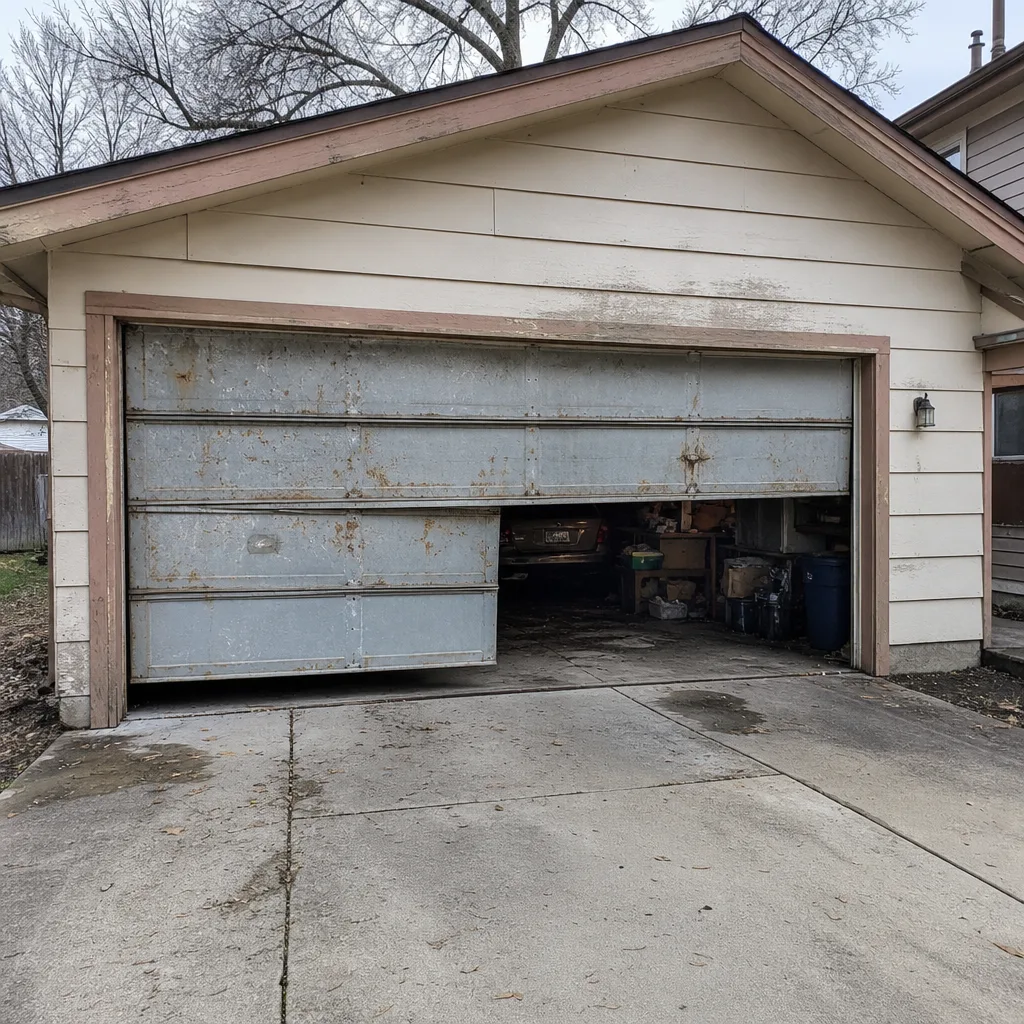 Before
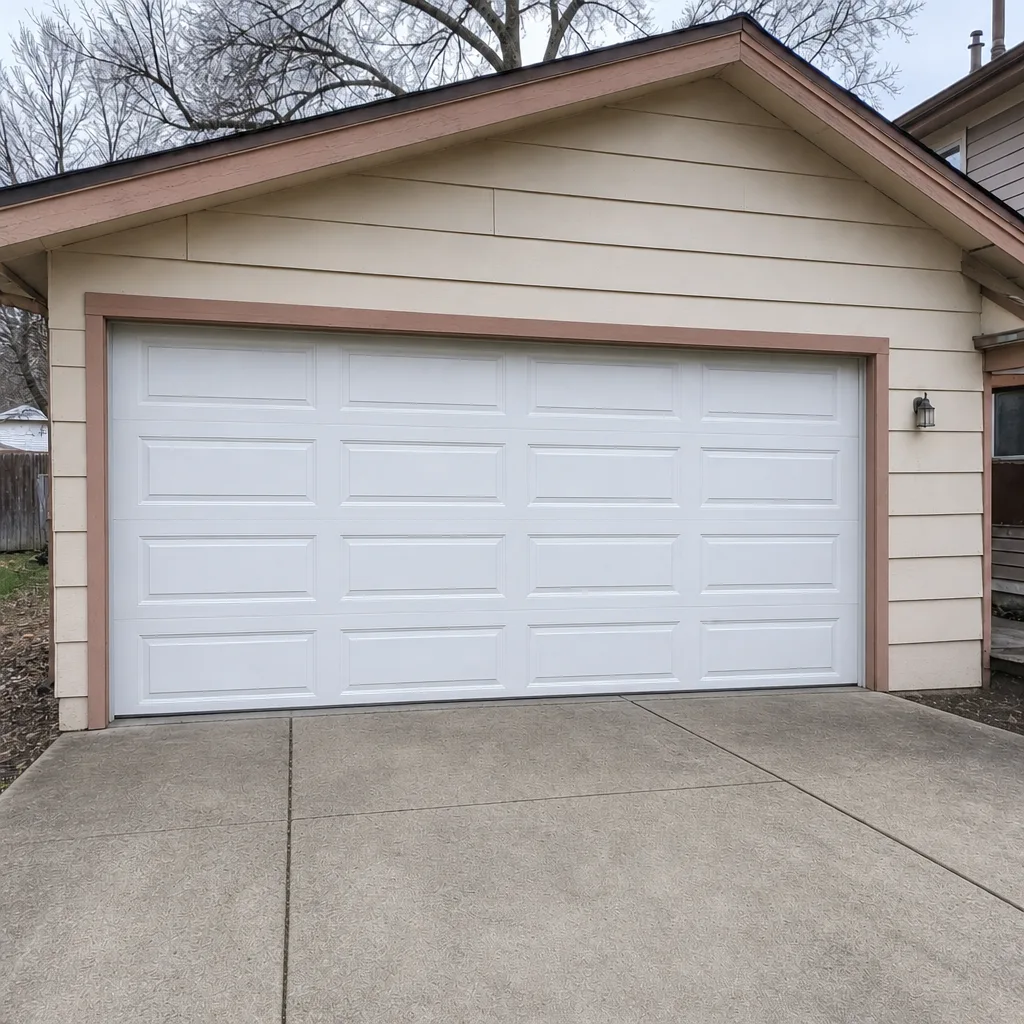 After
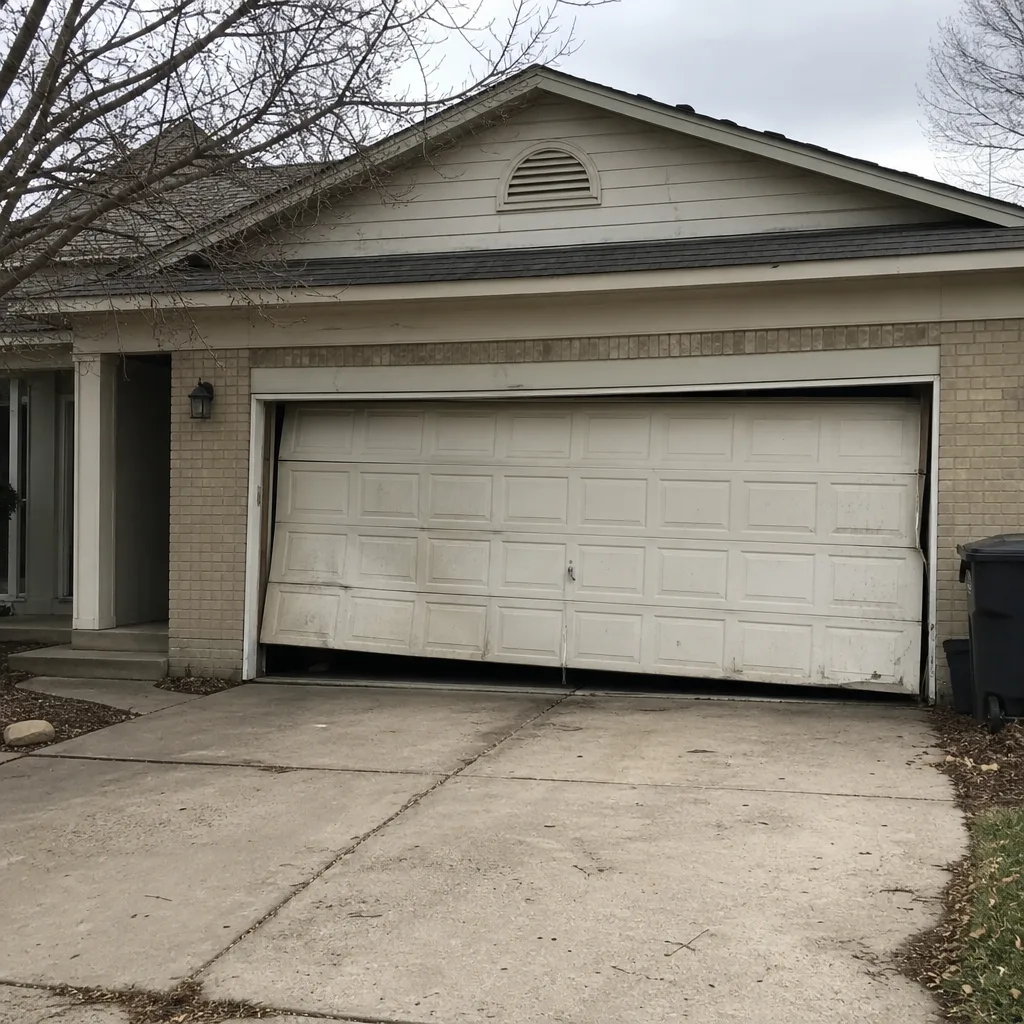 Before
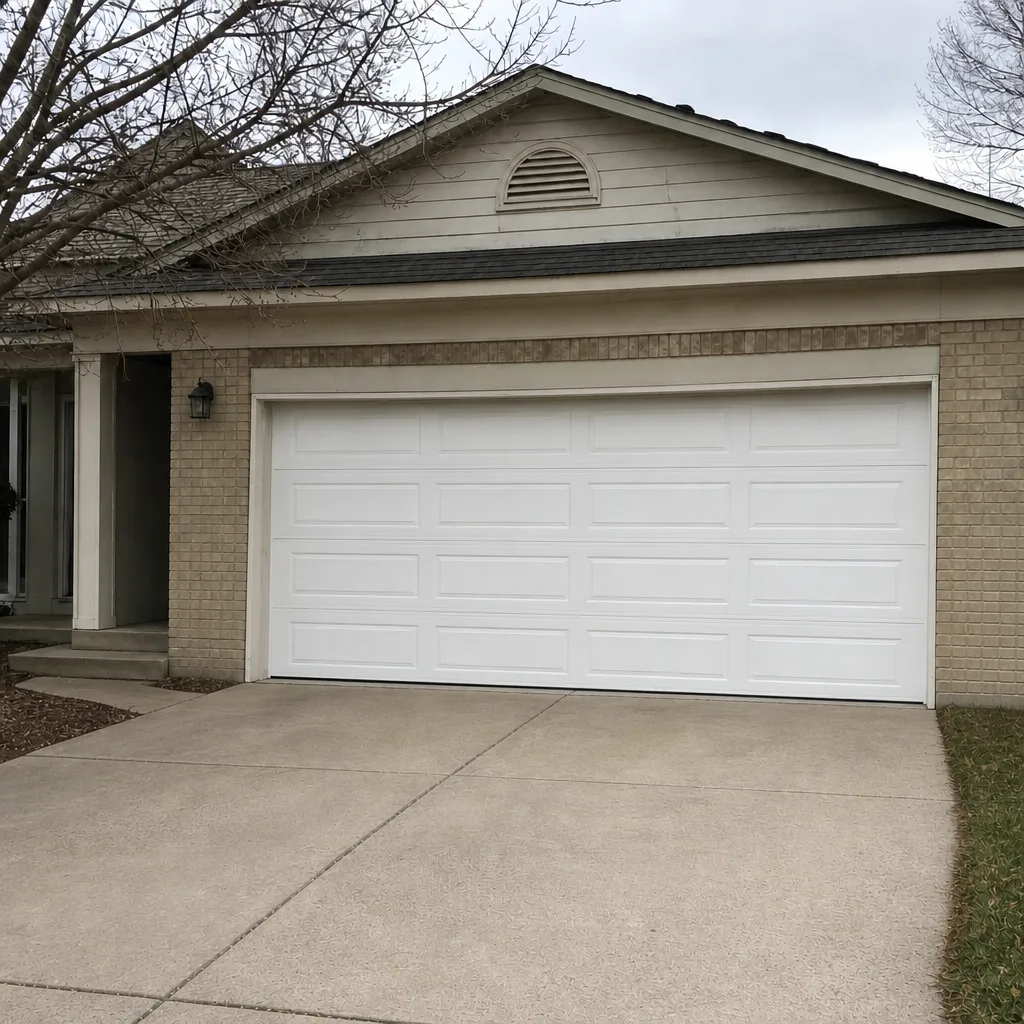 After
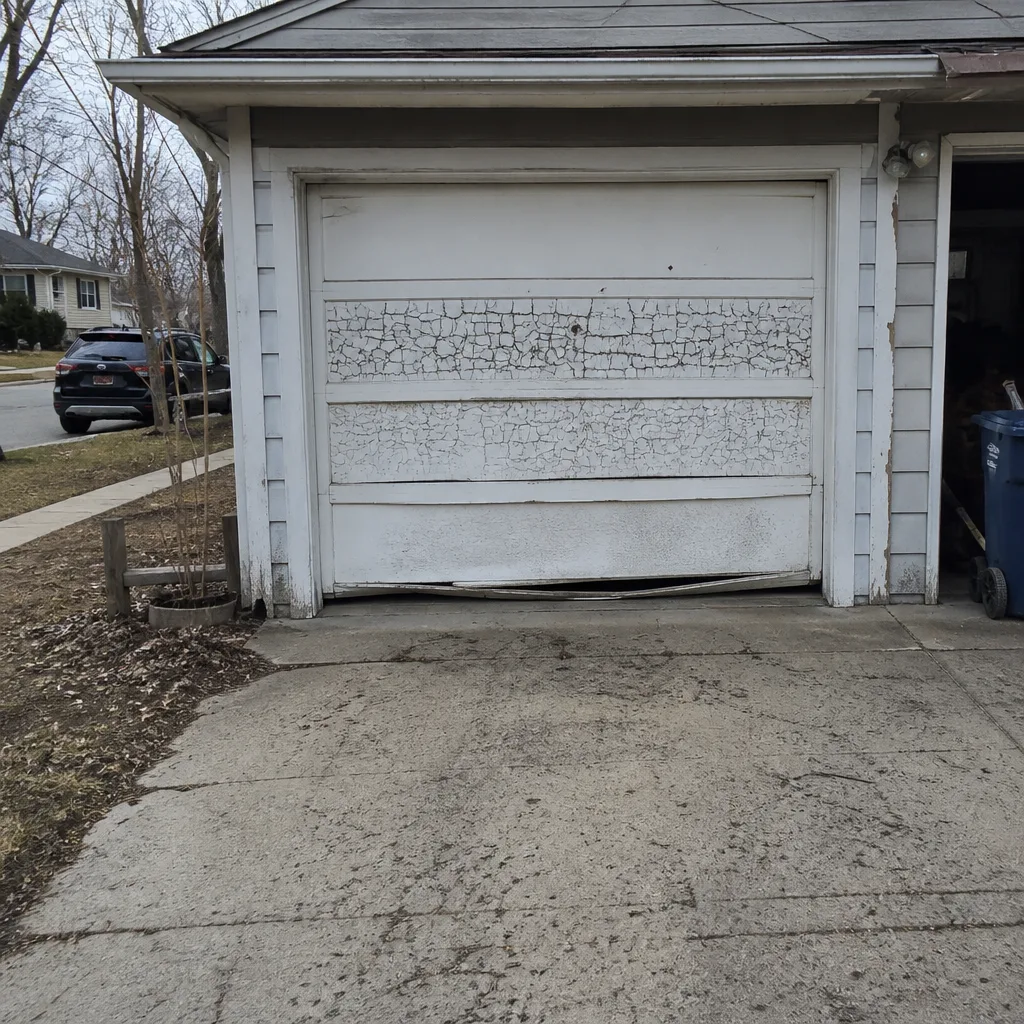 Before
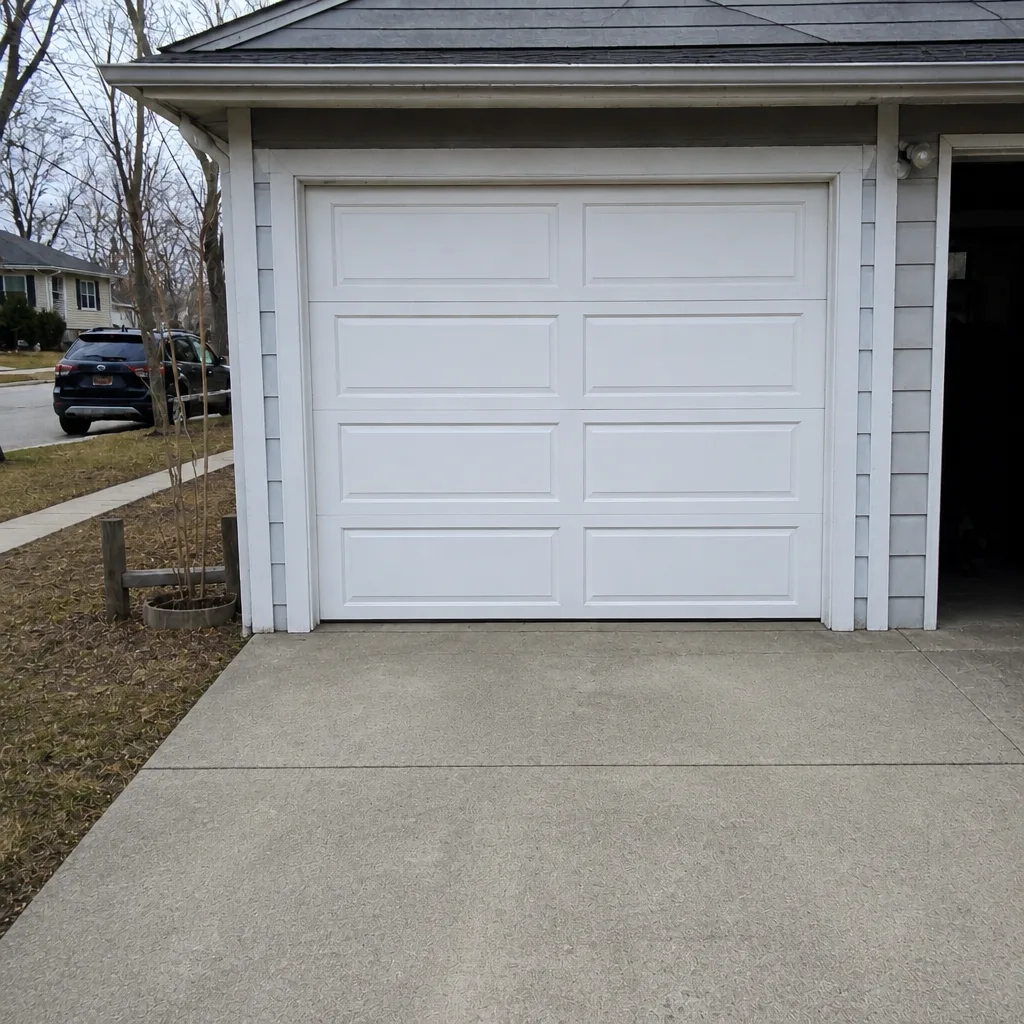 After
When to Call a Professional
Some garage door problems are obvious calls for a professional. A broken spring is the clearest one: the springs are under extreme tension and a DIY attempt can cause serious injury. A door that won’t open or close, an opener that runs but doesn’t move the door, a track that’s visibly bent or out of alignment, and a door that’s come off its tracks are all situations where a trained technician is the right call. In Apple Valley, a door that fails in cold weather also needs a technician who can check for frost-related track movement, not just the visible failure. Garage Door Repair Apple Valley offers free estimates in Apple Valley. Call (844) 623-0656. We answer 24/7. Fast dispatch from 7am to 7pm, Sunday through Friday.
Frequently Asked Questions
Spring repair pricing depends on the spring type, wire gauge, and cycle rating, and the written estimate sets the final price. Ask for a line-item quote that specifies the wire gauge and cycle rating before you approve work. Call (844) 623-0656 for an exact quote. Estimates are free.
Same-day service is available for urgent failures, and we answer 24/7. Fast dispatch from 7am to 7pm, Sunday through Friday. A call outside dispatch hours is booked into the next opening. Call (844) 623-0656 to get on the schedule.
The written estimate sets the final price, so the number you agree to before work starts is the number you pay. If the technician finds something that changes the scope, like a track issue or a door weight that doesn’t match the original spring spec, they should explain it and get your approval before proceeding. Call (844) 623-0656 to schedule a free estimate.
The local professionals we connect you with are licensed and insured as their state requires. Ask for the certificate of insurance before work starts, and confirm it’s current. Our technicians have up to 15 years of experience. Call (844) 623-0656 with any questions.
Yes. We work on LiftMaster, Chamberlain, Genie, Clopay, Amarr, Wayne Dalton, Craftsman, and Raynor systems, which covers most residential doors and openers in Apple Valley. Tell us the brand and model when you call and we’ll confirm. Call (844) 623-0656.
OEM parts are made by the company that made your door or opener and are built to the original spec. Aftermarket parts are made by a third party and vary in quality. Ask which one the quote includes, and get the part number and manufacturer name in writing. Call (844) 623-0656 for a quote that specifies the parts.
The Bottom Line
The difference between a specialist and a generalist shows up before the invoice, in the questions they ask and the answers they give. Ask about spring IPPT, track radius, and opener head clearance, and you’ll know within a few minutes who you’re talking to. Read the quote line by line for wire gauge, cycle rating, and OEM status. Verify insurance. Confirm the written estimate sets the price before work starts. In Apple Valley, where the freeze-thaw cycle stresses every component, that process matters more than the price on the first line. For repair, spring work, opener service, or a full installation, call (844) 623-0656 to schedule a free estimate.
Written by the team at Garage Door Repair Apple Valley.