
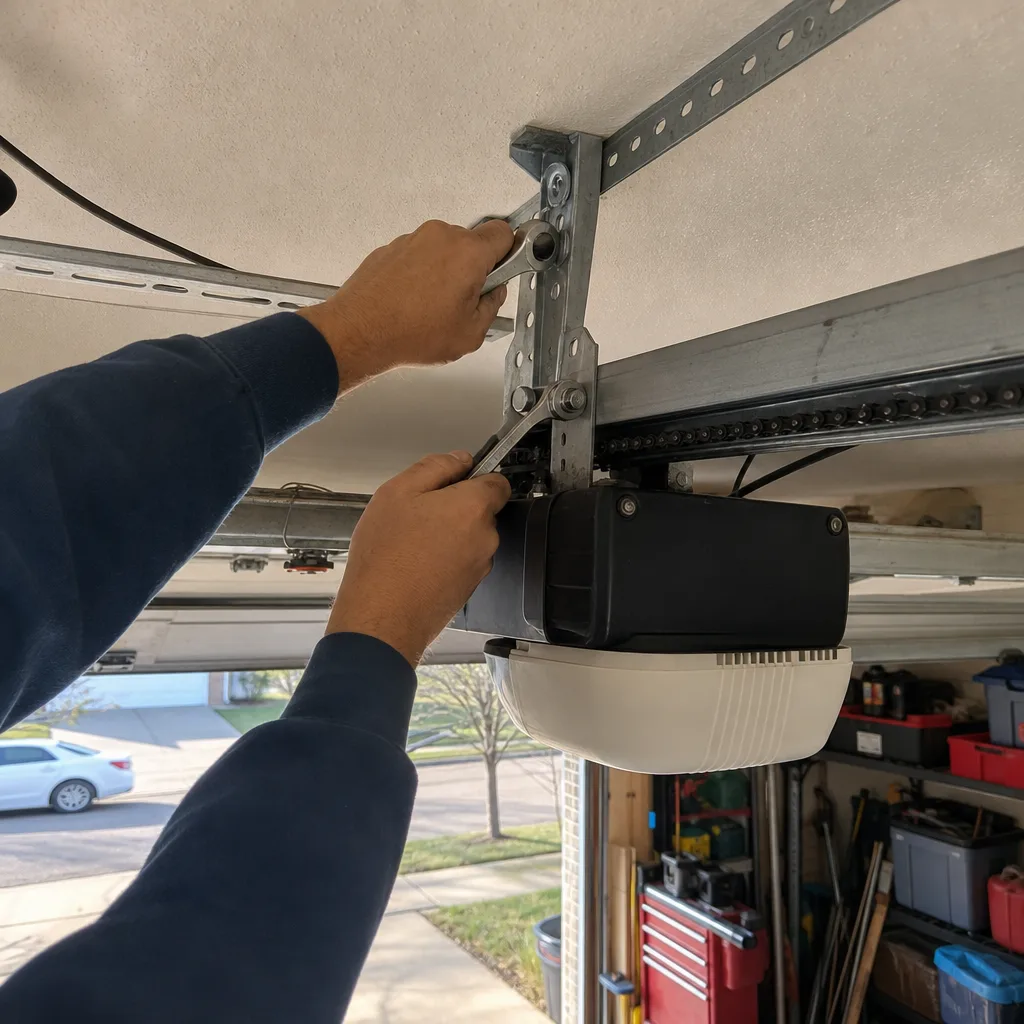
Last updated November 22, 2026
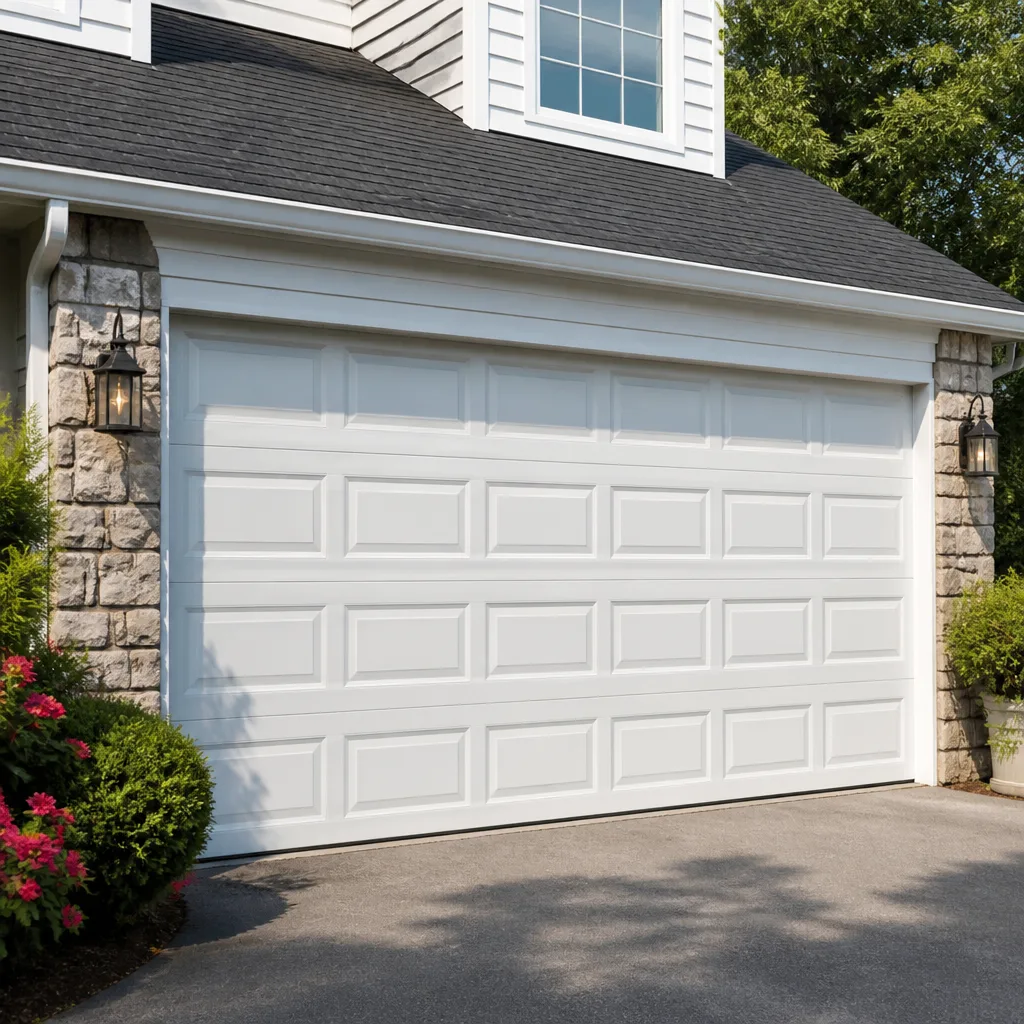 Raised-panel steel
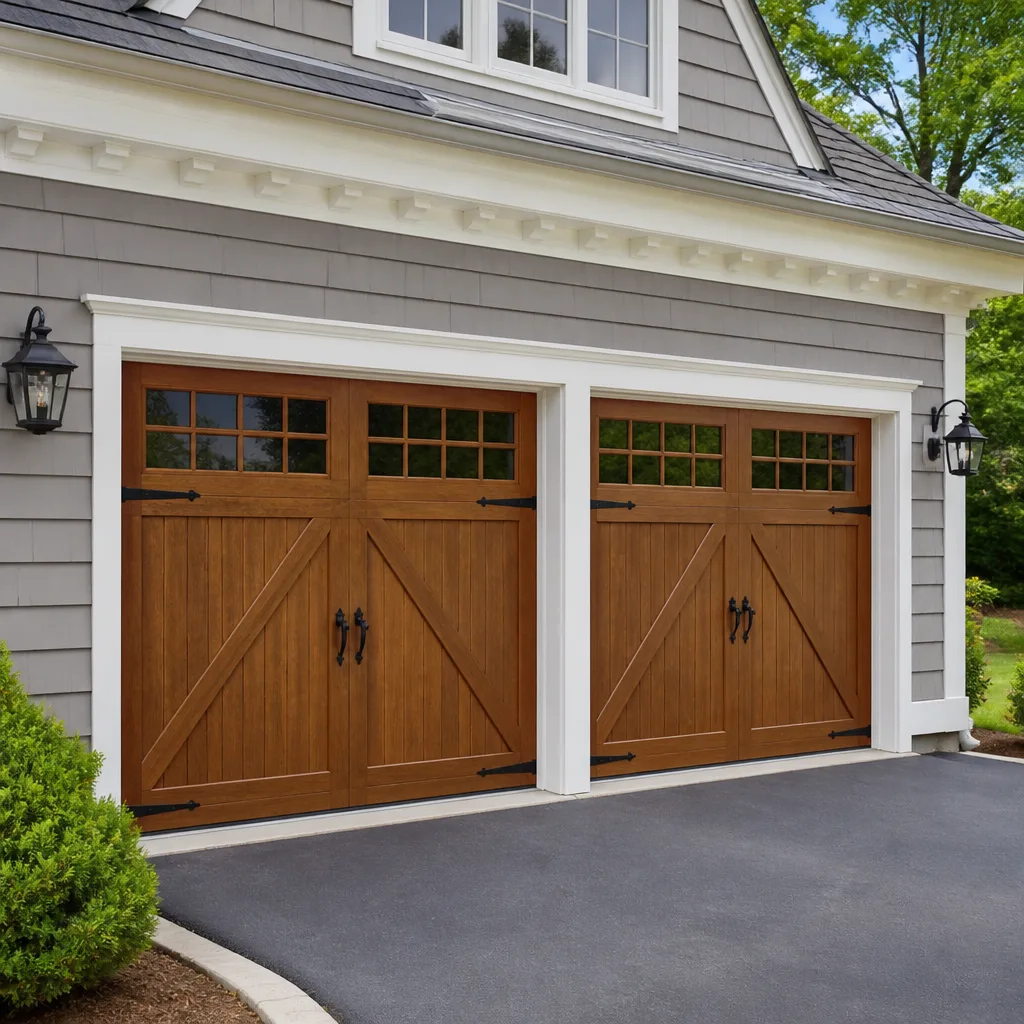 Carriage house
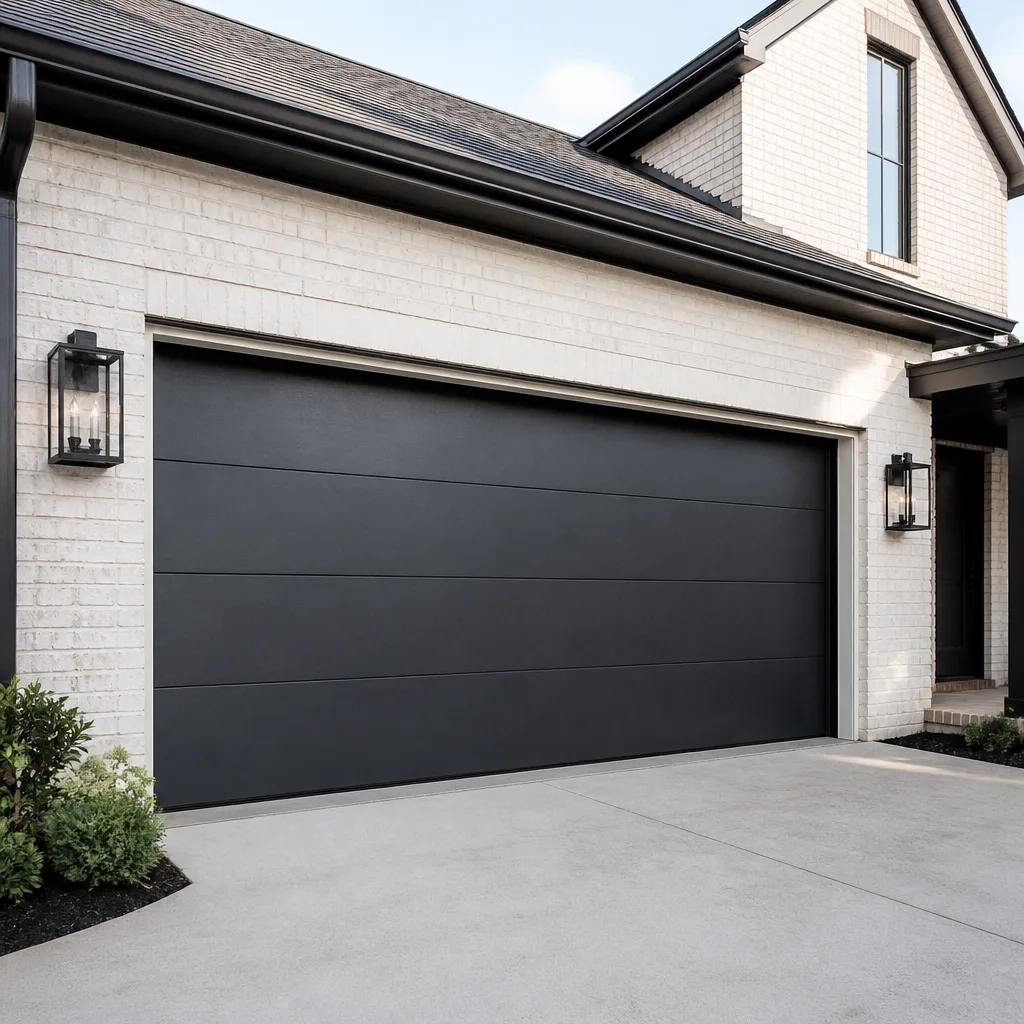 Modern flush
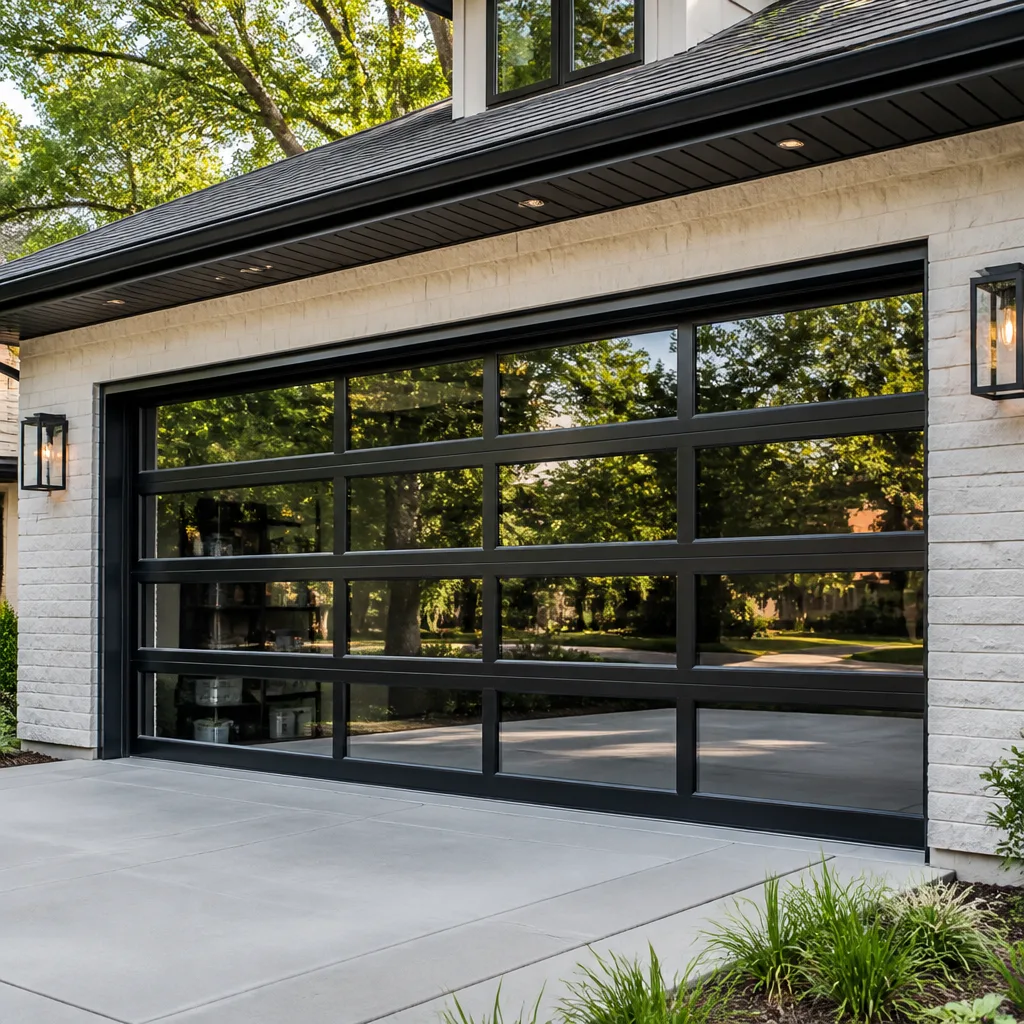 Full-view glass
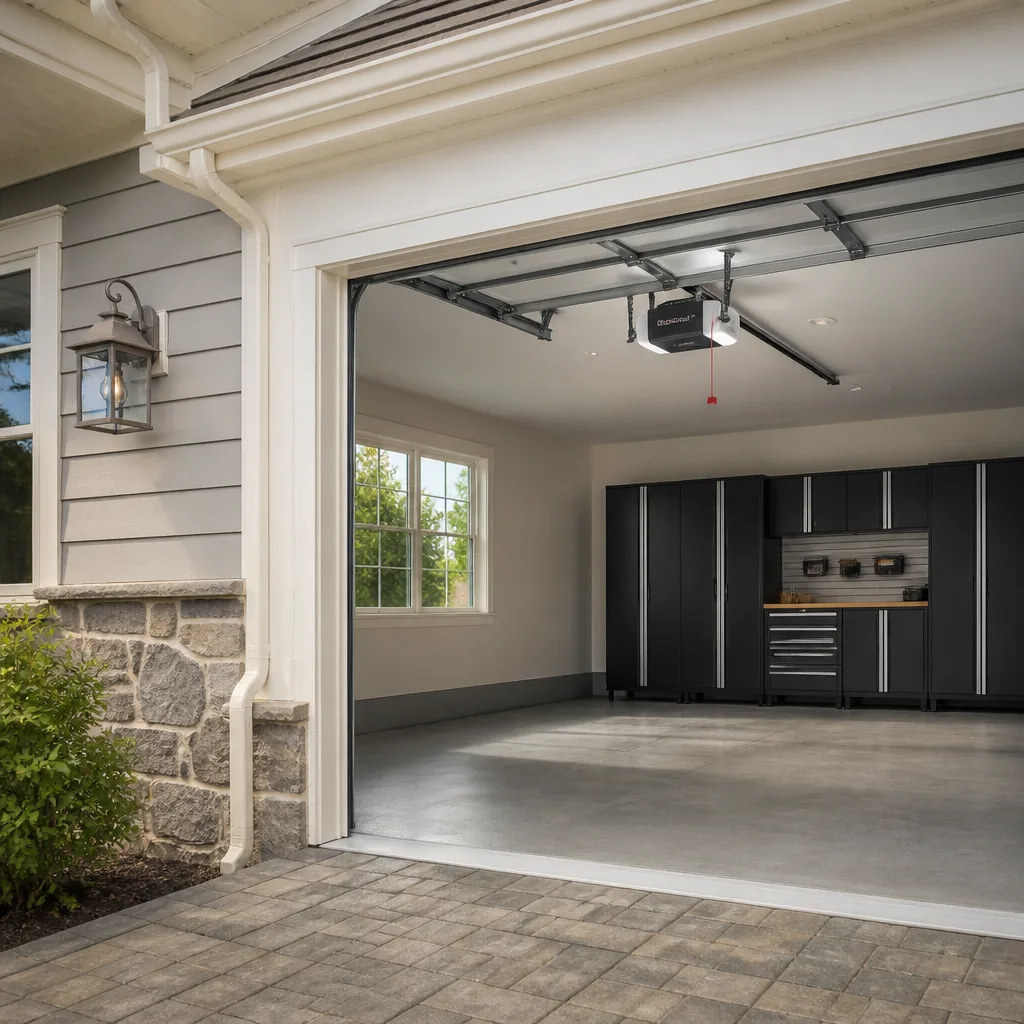 LiftMaster openers
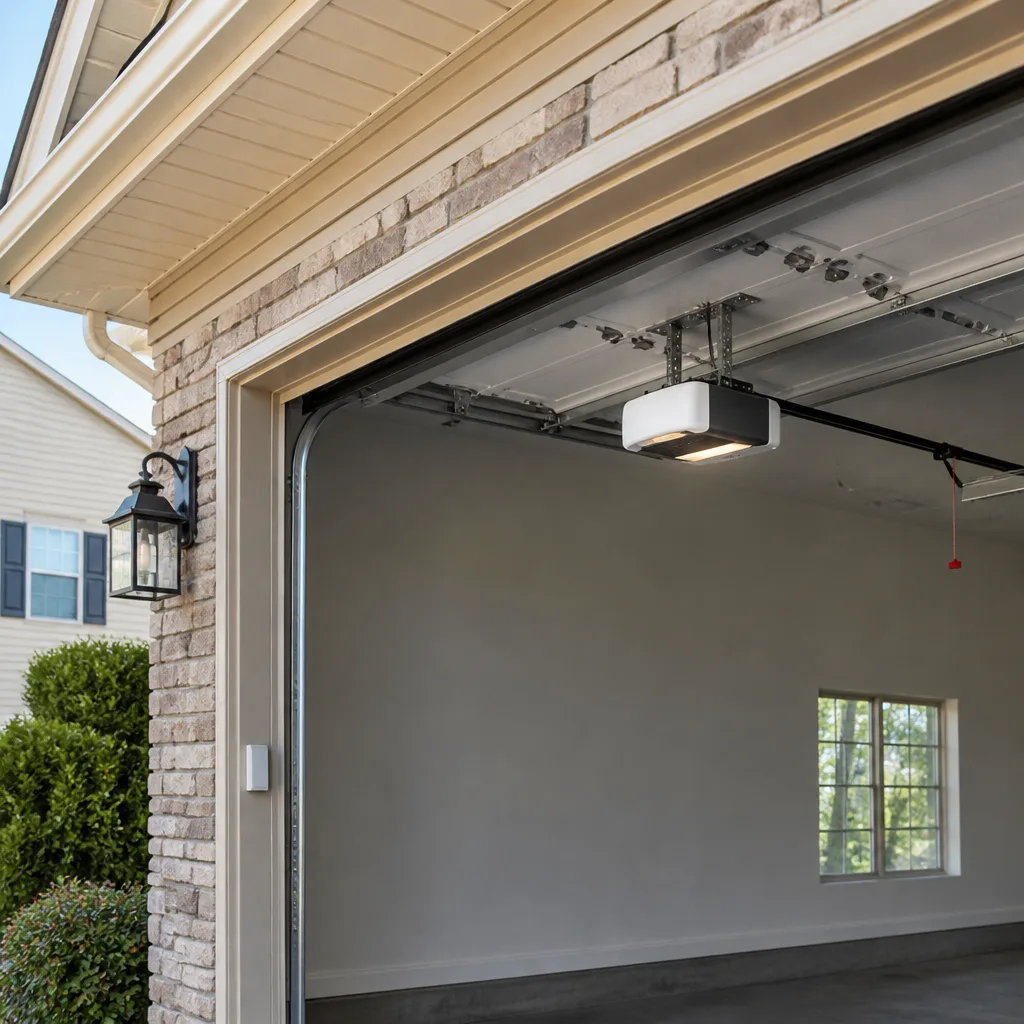 Chamberlain openers
Full 25-point door and opener safety check with every visit - springs, cables, rollers, tracks, and your LiftMaster or Chamberlain opener included
You get a price before we start. It does not change when the pro arrives.
Get your free estimateChoosing the Right Garage Door Brand: A Buyer’s Guide for Apple Valley
Clopay and Wayne Dalton doors are both common on Apple Valley homes, and both are well built. The difference that matters here isn’t the logo on the door. It’s how each one is insulated. One uses bonded polyurethane, the other often uses polystyrene panels, and in an attached garage that sees -20°F stretches in January, that difference shows up in how fast the space loses heat and how the door sounds going up and down. This guide compares Clopay, Amarr, Wayne Dalton, and CHI on the specs that actually hold up in Minnesota: insulation method, steel gauge, spring cycle rating, and parts availability. You’ll finish knowing what to compare, not just what to buy.
Quick Answer
For most Apple Valley homes, the right garage door brand comes down to three specs, not the name on the badge: how the door is insulated (polyurethane generally outperforms polystyrene for attached, conditioned garages), what steel gauge you’re getting for the panels, and what spring cycle rating the door ships with. Clopay and Amarr are strong choices when you need high insulation in an attached garage that sees deep cold. Wayne Dalton and CHI are solid options depending on your budget and whether the garage is heated. The brand matters most when it affects parts availability and opener compatibility, which we cover below.
Styles & brands we work with
- Raised-panel steel
- Carriage house
- Modern flush
- Full-view glass
- LiftMaster openers
- Chamberlain openers
Table of Contents
- Why brand choice matters more in Apple Valley than most places
- Insulation method: polyurethane vs. polystyrene
- Steel gauge: what the number means for Minnesota winters
- Spring cycle ratings and what “lifetime spring warranty” really covers
- Parts availability in the Apple Valley and Dakota County area
- Opener compatibility: LiftMaster, Chamberlain, and adapter kits
- Matching door construction to your garage type
- Side-by-side comparison of Clopay, Amarr, Wayne Dalton, and CHI
Why Brand Choice Matters More in Apple Valley Than Most Places
Apple Valley sits in a climate that punishes poor insulation choices. Winters regularly push into negative double digits, and an attached garage shares a wall with the house. If that wall is poorly insulated or the garage door leaks heat, the adjacent rooms feel it. The door’s insulation value, steel gauge, and panel construction all factor into how much cold gets through and how much that costs you in heating. A door that performs well in a mild climate may underperform here.
The other reason brand matters in Apple Valley is service logistics. Dakota County is a competitive market, but parts availability varies by brand. Some brands have regional distribution that means same-day part access for common failures. Others require a two-week order. When a spring breaks in January and your car is trapped inside, that parts gap matters more than the brand name on your door.
Finally, Apple Valley’s housing stock splits roughly into two categories: newer construction with attached, conditioned garages, and older homes with detached, unheated garages. The door that’s right for one is often wrong for the other. Brand selection should start with which category you’re in, not with a showroom visit.
When you’re weighing whether to repair or replace, the answer often comes down to whether the existing door is worth the parts investment. That’s a repair decision first, and you can get that question answered by calling for Garage Door Repair Apple Valley and walking through what you have.
Insulation Method: Polyurethane vs. Polystyrene
The insulation inside a garage door is either polyurethane foam or polystyrene (often called beadboard or Styrofoam). Polyurethane is injected as a liquid and bonds to the steel skin, creating a solid core with a higher R-value per inch. Polystyrene is a rigid foam board that sits inside the panel cavity. It insulates, but it doesn’t bond to the steel, so the door can flex and the panels can separate over time.
For an attached, conditioned garage in Apple Valley, polyurethane construction is generally the better choice. It holds its shape through freeze-thaw cycles better, deadens sound more effectively, and delivers a higher R-value in a thinner door. Polystyrene works fine for a detached, unheated garage where the goal is wind blocking and moderate insulation, not thermal performance.
What to look for in the spec sheet
- Insulation type: “polyurethane foam” or “polystyrene” is usually stated plainly. If it isn’t, ask.
- R-value: higher is better for attached garages, but the construction method matters as much as the number.
- Thermal break: a barrier between the inner and outer steel skins that stops cold transfer. Doors without one lose heat through the frame.
- Panel bonding: polyurethane doors are typically bonded to both skins. Polystyrene panels may have a steel skin on one side only.
Clopay and Amarr both offer polyurethane-constructed lines that perform well in cold climates. Wayne Dalton’s entry-level lines often use polystyrene, though their higher tiers move to polyurethane. CHI builds polyurethane doors with full thermal breaks that hold up well in Apple Valley’s winters. The point isn’t that one brand is always better. It’s that the construction method inside the brand’s lineup is what you’re choosing.
Steel Gauge: What the Number Means for Minnesota Winters
Steel gauge is measured in reverse: a lower number means thicker steel. A 24-gauge door is thinner than a 27-gauge door, and thicker steel resists dents, holds its shape through freeze-thaw cycles, and supports better insulation. Apple Valley’s winters bring ice, snow load against the door, and temperature swings that stress the panels. Thicker steel handles that better.
Most entry-level doors are 27 or 28 gauge. Mid-range doors move to 25 or 26 gauge. Higher-end doors reach 24 gauge or thicker. For an attached garage facing the prevailing winter wind, 25 gauge or better is a reasonable minimum. For a detached garage that sees less daily use, 27 gauge may be sufficient.
How gauge affects long-term cost
- Dent resistance: thinner steel dents from a stray ball or a bump with a snow shovel; thicker steel absorbs it.
- Panel integrity: thin steel flexes in wind and through temperature swings, which can break the bond with polystyrene insulation over time.
- Hinge and roller wear: heavier steel holds hinges and rollers more securely, which slows wear on the track and moving parts.
- Repaint cycle: thicker steel resists rust-through longer, especially at the bottom panel where road salt and snowmelt collect in an Apple Valley winter.
Clopay and Amarr both publish gauge options clearly across their product lines. Wayne Dalton’s gauge varies more by tier. CHI tends to build with heavier steel as a baseline. If the spec sheet doesn’t state the gauge, that’s a sign the manufacturer is cutting somewhere.
Spring Cycle Ratings and What “Lifetime Spring Warranty” Really Covers
A torsion spring is rated in cycles: one cycle is one open-and-close. A standard spring is rated for about 10,000 cycles. A high-cycle spring is rated for 25,000 or more. For a household that opens the garage door four times a day, 10,000 cycles lasts roughly seven years. A 25,000-cycle spring lasts closer to seventeen. The cycle rating is the single most important spec on the spring, and it’s rarely printed on the door’s marketing sheet.
Springs aren’t part of the door brand, strictly speaking. They’re selected by the installer based on door weight and expected use. But the door brand often determines which spring options are available and whether the manufacturer’s warranty extends to the spring. Some brands warrant the spring for the life of the door; others warrant it for a set number of years.
What “lifetime spring warranty” actually means
- The warranty covers the spring, not the labor. Replacement labor is a separate cost.
- It usually applies to the original purchaser and the original installation. A second owner or a re-installed spring may not qualify.
- It often requires the spring to fail under normal use, not from rust or neglect. In a humid garage or one that sees road salt, spring rust is a common failure mode that may not be covered.
- A 25,000-cycle spring under a lifetime warranty is still a 25,000-cycle spring. The warranty doesn’t make it last forever. It covers premature failure.
Garage door springs are the most dangerous component in the system, under extreme tension and capable of causing serious injury if they release unexpectedly. This is not a DIY job. For garage door spring repair, the technician’s tools and training matter far more than the warranty language on the door brochure. Our technicians have up to 15 years of experience with torsion and extension spring systems across every brand we service.
Parts Availability in the Apple Valley and Dakota County Area
When a door fails, the question that matters is how fast the part can be in hand. Brand choice affects that directly. Some brands have regional warehouse distribution that puts common parts like rollers, hinges, bottom seals, and torsion springs within same-day reach in the Apple Valley area. Others require factory orders that take one to two weeks.
What’s typically stocked locally or available same-day in Dakota County:
- Standard torsion and extension springs sized to common residential door weights, across the major brands.
- Nylon and steel rollers, hinges, and bearing plates for most residential systems.
- Bottom weather seals and side seals for common panel profiles.
- Opener remotes, wall consoles, and safety sensors for LiftMaster, Chamberlain, Genie, and Craftsman systems.
What usually requires ordering:
- Proprietary panel sections for a specific model and color. Panel replacement is often a factory order regardless of brand.
- Specialty glass or designer panel inserts.
- High-cycle or custom-tension springs for oversized doors.
- Discontinued model parts. Older Wayne Dalton and Craftsman doors can hit this wall.
In our experience across Apple Valley, the brands that cause the fewest parts delays are the ones with the widest residential install base. Clopay, Amarr, LiftMaster, and Chamberlain parts are generally the easiest to source. Wayne Dalton and Raynor are usually fine for standard parts but slower for panel-specific items. This is the practical side of garage door repair that brand marketing rarely mentions.
Opener Compatibility: LiftMaster, Chamberlain, and Adapter Kits
Most residential garage door openers in the U.S. are LiftMaster or Chamberlain units, and both brands pair cleanly with nearly every door brand on the market. The opener lifts the door; the door doesn’t need to know which opener is pulling it. The compatibility question only matters at two points: the safety sensor mounting and the door’s weight and balance.
Where compatibility actually matters
- Door weight within opener capacity: a heavy polyurethane door in a large size can exceed what a standard 1/2-horsepower opener is rated to lift. The opener brand needs to match the door’s weight, not the other way around.
- Safety sensor placement: door frames with deep bottom rails or unusual panel profiles sometimes need a sensor bracket extension. This is a mounting detail, not a brand incompatibility.
- Smart opener integration: LiftMaster and Chamberlain smart openers work with any door, but the door’s balance affects how well the opener’s auto-reverse and force settings behave.
- Adapter kits: these come up with older or proprietary opener-to-door connections, typically when a door has a non-standard bottom bracket or a unique torsion setup. Modern Clopay, Amarr, Wayne Dalton, and CHI doors generally don’t require them.
For garage door opener repair, the opener brand is what determines parts and diagnostics. We service LiftMaster, Chamberlain, Genie, and Craftsman openers regularly, along with the door brands they’re paired with. The right diagnosis before the first repair prevents the common mistake of replacing an opener when the door’s balance is the real problem.
Matching Door Construction to Your Garage Type
An attached, conditioned garage in Apple Valley needs a different door than a detached, unheated one. The attached garage shares walls with living space, so thermal performance affects the house. The detached garage is a separate structure where the door’s job is weather-blocking and security, not heating efficiency.
Attached, conditioned garage
- Insulation: polyurethane construction with a full thermal break.
- Steel gauge: 25 gauge or better, to hold the insulation and resist freeze-thaw stress.
- R-value: higher is better. A polyurethane door with a bonded core delivers more insulation in a thinner profile than polystyrene.
- Sealing: bottom seal and side seals need to be tight. Cold air infiltration through gaps matters more than the door’s nominal R-value.
Detached, unheated garage
- Insulation: polystyrene is often sufficient. The goal is wind blocking and condensation control, not heat retention.
- Steel gauge: 27 gauge is workable if the door isn’t in a high-wind exposure.
- Sealing: still important, mainly to keep snow and rain out of the garage and off stored items.
- Security: the detached garage door is often the only barrier between the street and tools or equipment. A solid door with a good lock matters more than insulation here.
For a full replacement, the right sequence is measure, spec, order, install. For garage door installation, we start with the garage type and work backward to the door, not the other way around. Clopay’s polyurethane lines and Amarr’s insulated doors are common choices for attached garages in Apple Valley. CHI’s heavier steel suits homeowners who want dent resistance. Wayne Dalton’s entry lines fit detached garages where budget matters more than R-value.
Side-by-Side Comparison of Clopay, Amarr, Wayne Dalton, and CHI
This comparison focuses on the specs that hold up in Apple Valley’s climate, not the full catalog. Each brand makes good doors across a range of prices. The useful comparison is at the construction level.
Clopay
- Insulation: polyurethane on higher lines, polystyrene on entry lines.
- Steel gauge: 24 to 27 gauge depending on model.
- Thermal break: available on insulated polyurethane lines.
- Best fit: attached, conditioned garages in Apple Valley where thermal performance matters.
- Parts: wide install base in Dakota County, common parts generally available same-day.
Amarr
- Insulation: polyurethane on insulated lines, with a bonded core construction.
- Steel gauge: 24 to 27 gauge depending on model.
- Thermal break: available on higher-tier doors.
- Best fit: attached garages where insulation value and panel rigidity both matter.
- Parts: good regional availability for standard components.
Wayne Dalton
- Insulation: polystyrene on many entry and mid lines; polyurethane on higher tiers.
- Steel gauge: varies by tier; entry lines are thinner.
- Thermal break: not standard on all lines.
- Best fit: detached, unheated garages where budget matters more than R-value.
- Parts: standard parts usually available; discontinued models can delay panel orders.
CHI
- Insulation: polyurethane construction with a bonded core on insulated lines.
- Steel gauge: heavier baseline steel than many entry-level competitors.
- Thermal break: full thermal break on insulated doors.
- Best fit: homeowners in Apple Valley who want dent resistance and cold-climate performance in the same door.
- Parts: standard parts available; panel orders may take longer than Clopay or Amarr.
For a side-by-side evaluation on a specific door, the spec sheet and a measuring tape tell you more than a showroom visit. What we look at first is the insulation method, then gauge, then spring rating, then parts lead time for anything proprietary.
Common Mistakes to Avoid
- Choosing by logo instead of spec sheet. Two doors from the same brand can be a 27-gauge polystyrene door and a 24-gauge polyurethane door. Compare the construction inside the brand, not the brand against itself.
- Putting a polystyrene door on an attached garage. In an Apple Valley winter, the attached garage shares a wall with living space. A poorly insulated door on that opening loses heat straight into the house.
- Ignoring spring cycle rating. A 10,000-cycle spring on a household that opens the door four times a day will need replacing years sooner than a 25,000-cycle spring. Ask what the door ships with.
- Assuming a “lifetime spring warranty” covers labor. It usually covers the spring, not the technician’s time to replace it. The written estimate is where the real cost sits.
- Skipping the balance check before a new opener. A common mistake is replacing an opener when the door’s balance or spring tension is the actual problem. Have the door checked before assuming the opener is failing.
- Forgetting parts availability. A door brand with slow regional distribution can leave you waiting for a panel section or a hinge. Ask how fast common parts are accessible in the Apple Valley area.
- Overlooking the bottom seal in a cold climate. A loose or worn bottom seal lets cold air and snowmelt under the door, and that’s the failure point most often felt first in an Apple Valley garage.
See the difference
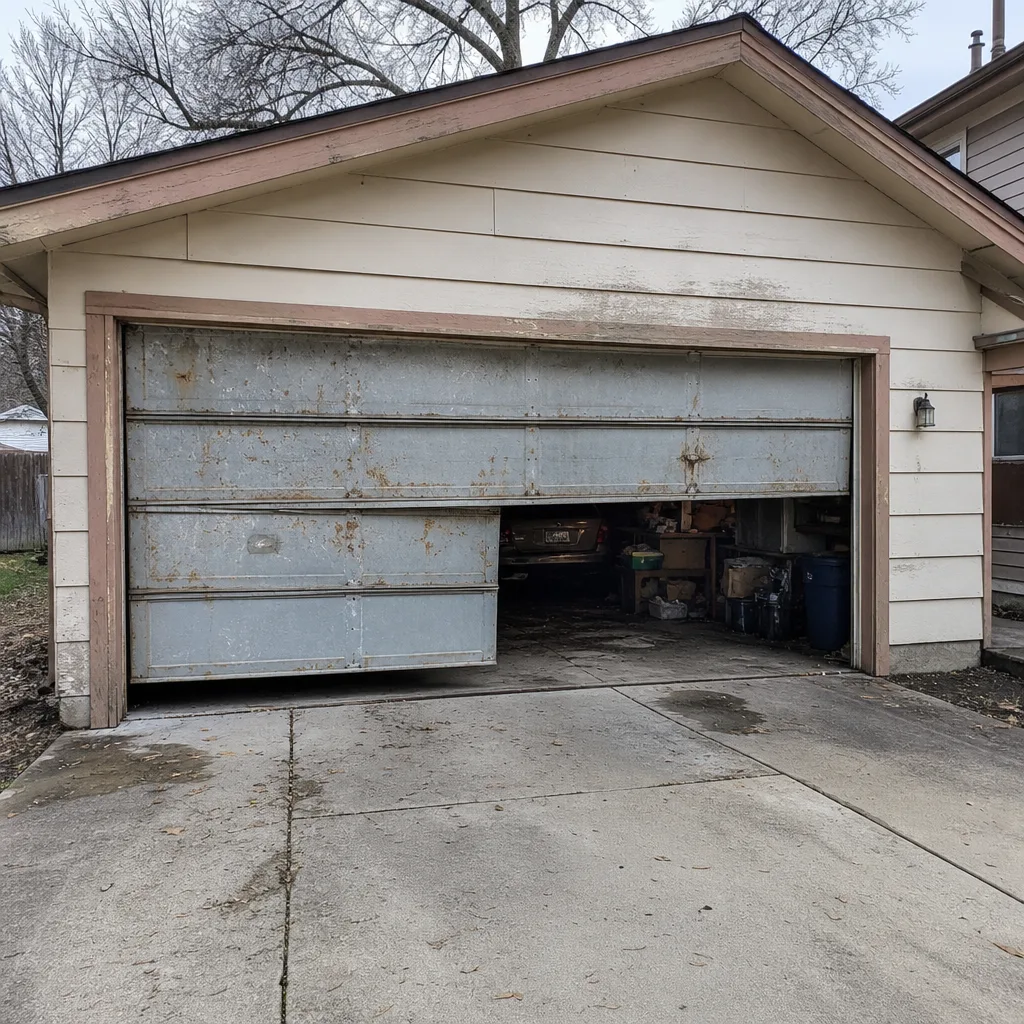 Before
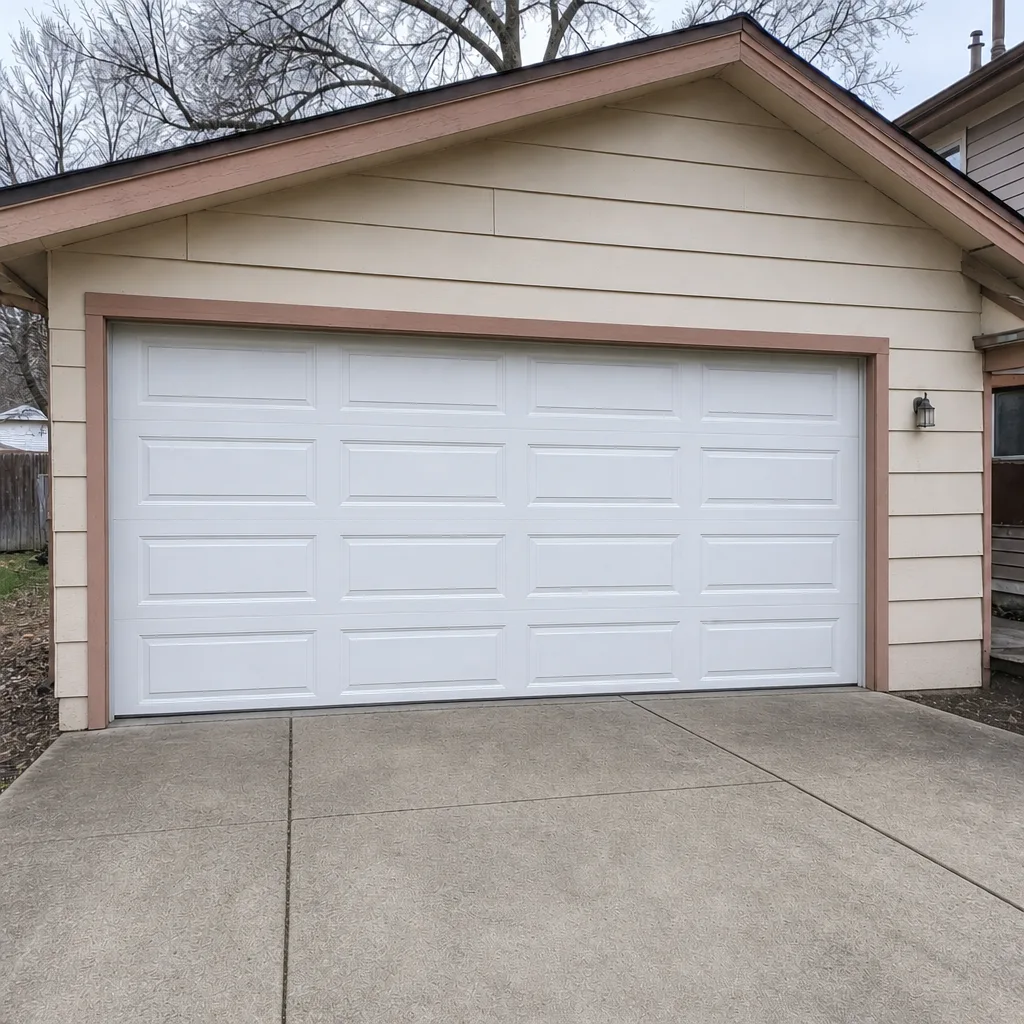 After
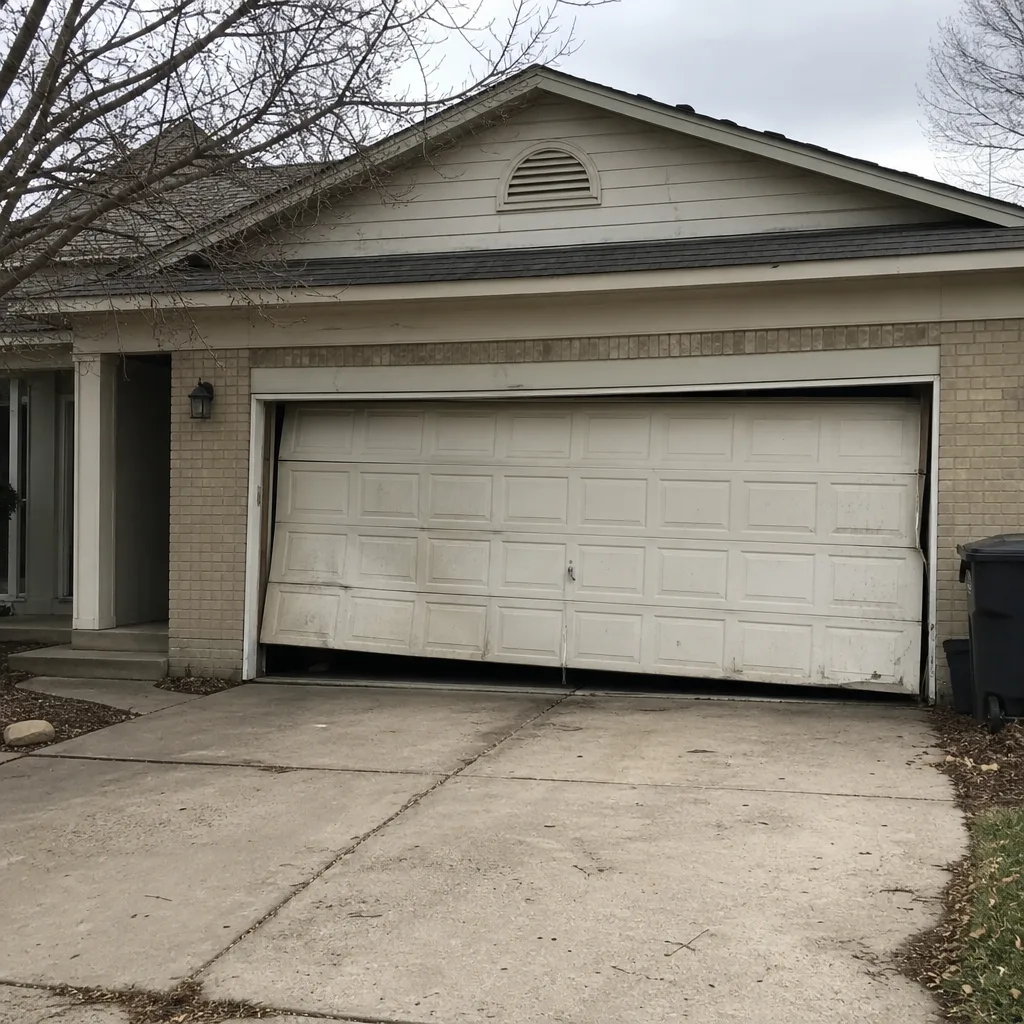 Before
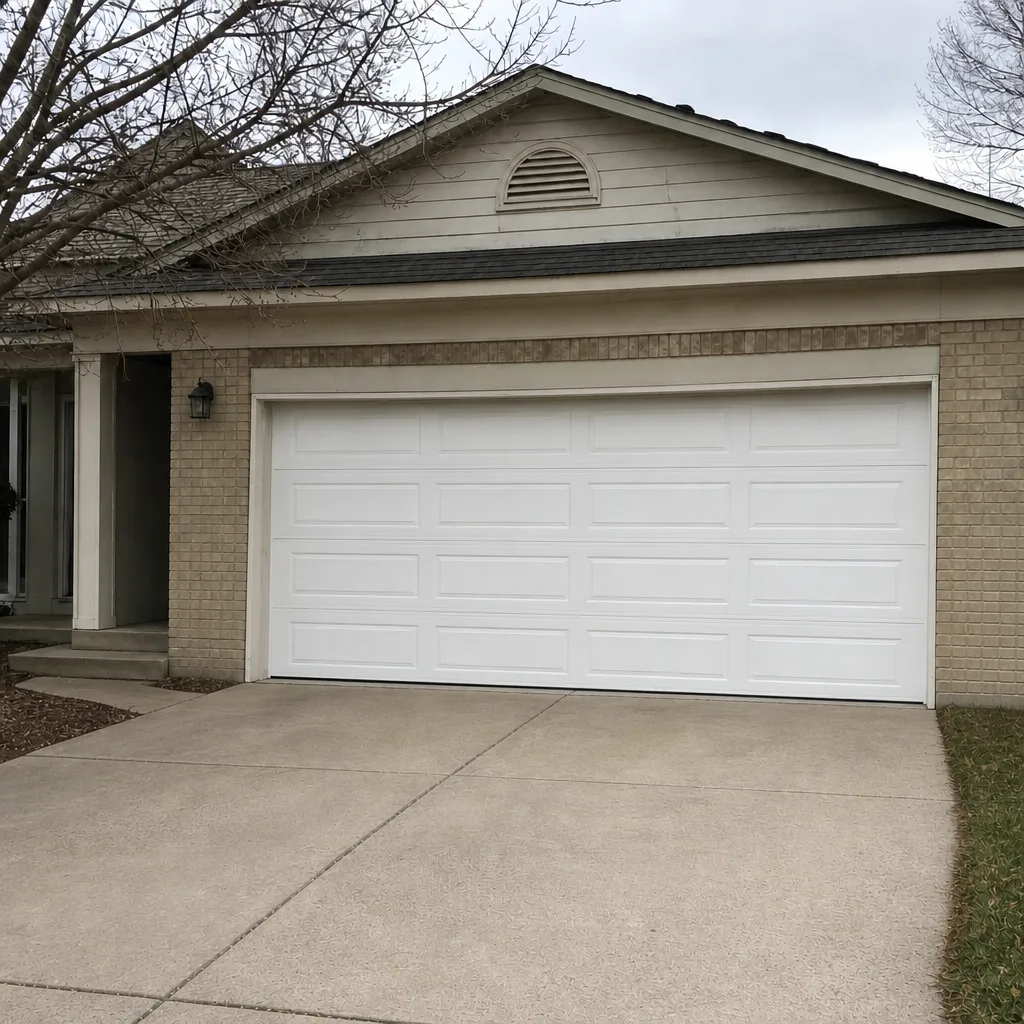 After
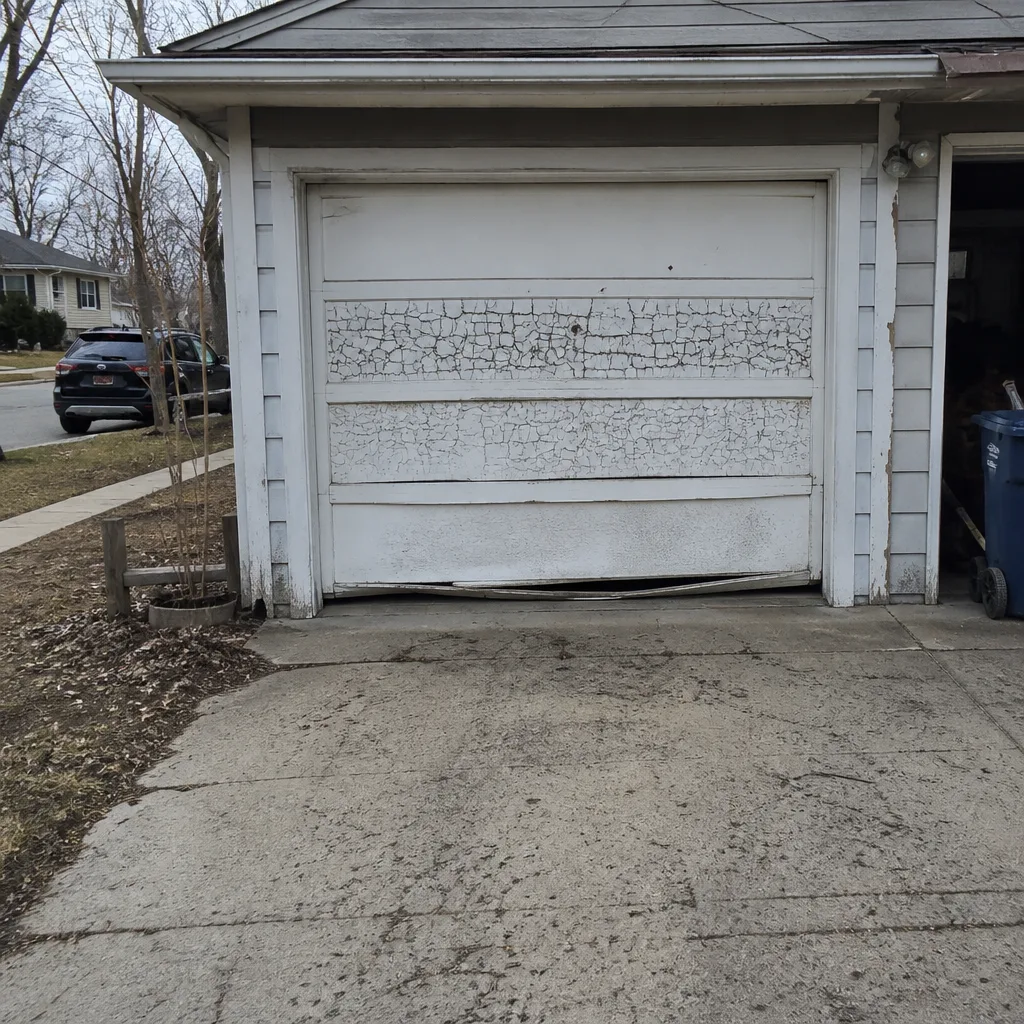 Before
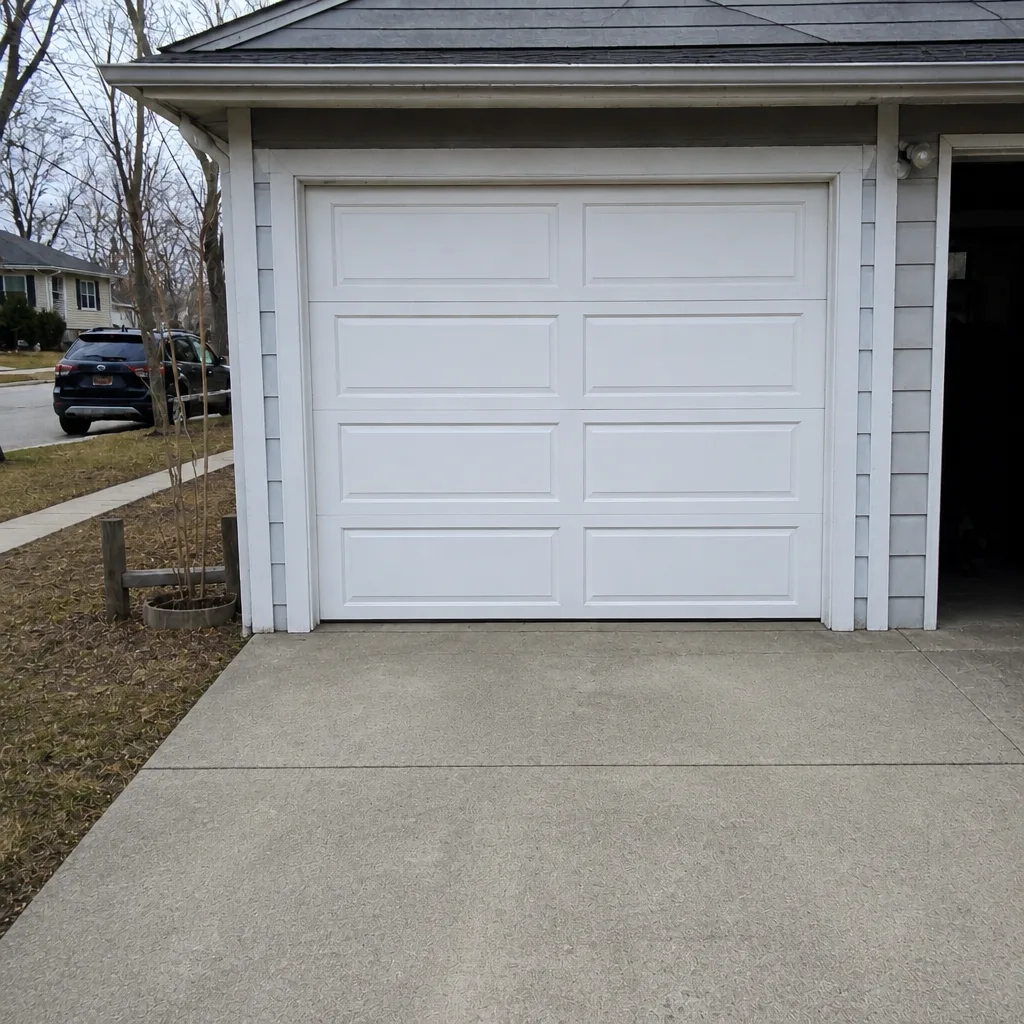 After
When to Call a Professional
Some decisions benefit from a professional eye before you spend money. If you’re comparing brands and can’t tell whether polyurethane or polystyrene is right for your garage, that’s a five-minute conversation with a technician who installs both. If you’re looking at a door that’s older than the opener, or an opener that’s older than the door, the right diagnosis before the first repair saves you from buying the wrong component. If a spring is broken, a cable is loose, or a door has come off its track, stop and call. Those are the failures that carry real injury risk and need trained hands. Garage Door Repair Apple Valley offers free estimates in Apple Valley, and we service Clopay, Amarr, Wayne Dalton, CHI, LiftMaster, Chamberlain, Genie, Craftsman, and Raynor systems. Call (844) 623-0656 for a written price before any work starts.
Frequently Asked Questions
There isn’t one best brand; the right choice depends on your garage type. For an attached, conditioned garage in Apple Valley, a polyurethane-insulated door from Clopay or Amarr with 25-gauge steel or better is the practical answer. For a detached, unheated garage, a polystyrene door from Wayne Dalton or a similar line works fine and costs less. The construction method matters more than the brand name.
Yes, for an attached garage that shares a wall with the house. Polyurethane is injected and bonded to the steel skin, so it holds its R-value through freeze-thaw cycles and deadens sound better. Polystyrene is a rigid board that sits inside the panel and can separate from the steel over time. In an unheated detached garage, polystyrene is usually enough. Call (844) 623-0656 for an exact quote. Estimates are free and the price is set by the written estimate.
It covers the spring itself, usually for the original purchaser, and typically doesn’t cover the labor to replace it. It also often excludes failure from rust or neglect, which matters in a garage that sees road salt and snowmelt. A 25,000-cycle spring under a lifetime warranty is still rated at 25,000 cycles. The warranty handles premature failure, not infinite life. If your spring has broken, call (844) 623-0656 and we’ll walk you through what your specific warranty covers.
Yes. LiftMaster and Chamberlain openers work with Clopay, Amarr, Wayne Dalton, CHI, and Raynor doors without adapter kits in nearly every residential case. The compatibility question is really about door weight and balance, not brand pairing. A heavy door needs an opener rated to lift it. If you’re unsure whether your opener matches your door, call (844) 623-0656 and we’ll check the balance and the opener’s capacity together.
For standard parts, usually yes. Springs, rollers, hinges, bearings, and seals for Clopay, Amarr, LiftMaster, Chamberlain, Genie, and Craftsman systems are generally available same-day in the Dakota County area. Proprietary panel sections, glass inserts, and custom-tension springs usually require ordering. Call (844) 623-0656 and we’ll confirm availability for your specific model.
No. The price is quoted and agreed before any work starts, and the written estimate sets the final price. We ask about the door brand, model, and symptom on the call so the estimate reflects what we’ll actually find. If something unexpected turns up, we stop and re-quote before proceeding. Call (844) 623-0656 for a free estimate. We answer 24/7. Fast dispatch from 7am to 7pm, Sunday through Friday.
The Bottom Line
Brand selection for a garage door in Apple Valley is a technical decision, not a marketing one. The specs that matter most are the insulation method (polyurethane for attached garages, polystyrene for detached), the steel gauge (25 or better for an attached garage facing winter wind), and the spring cycle rating (25,000 cycles for a household that uses the door heavily). Parts availability and opener compatibility follow from those. Clopay and Amarr are strong for insulated attached garages, CHI for dent resistance, and Wayne Dalton for budget-conscious detached garages. The written estimate is the price, and the right diagnosis comes before the first repair. Call (844) 623-0656 for a free estimate.
Written by the team at Garage Door Repair Apple Valley.