
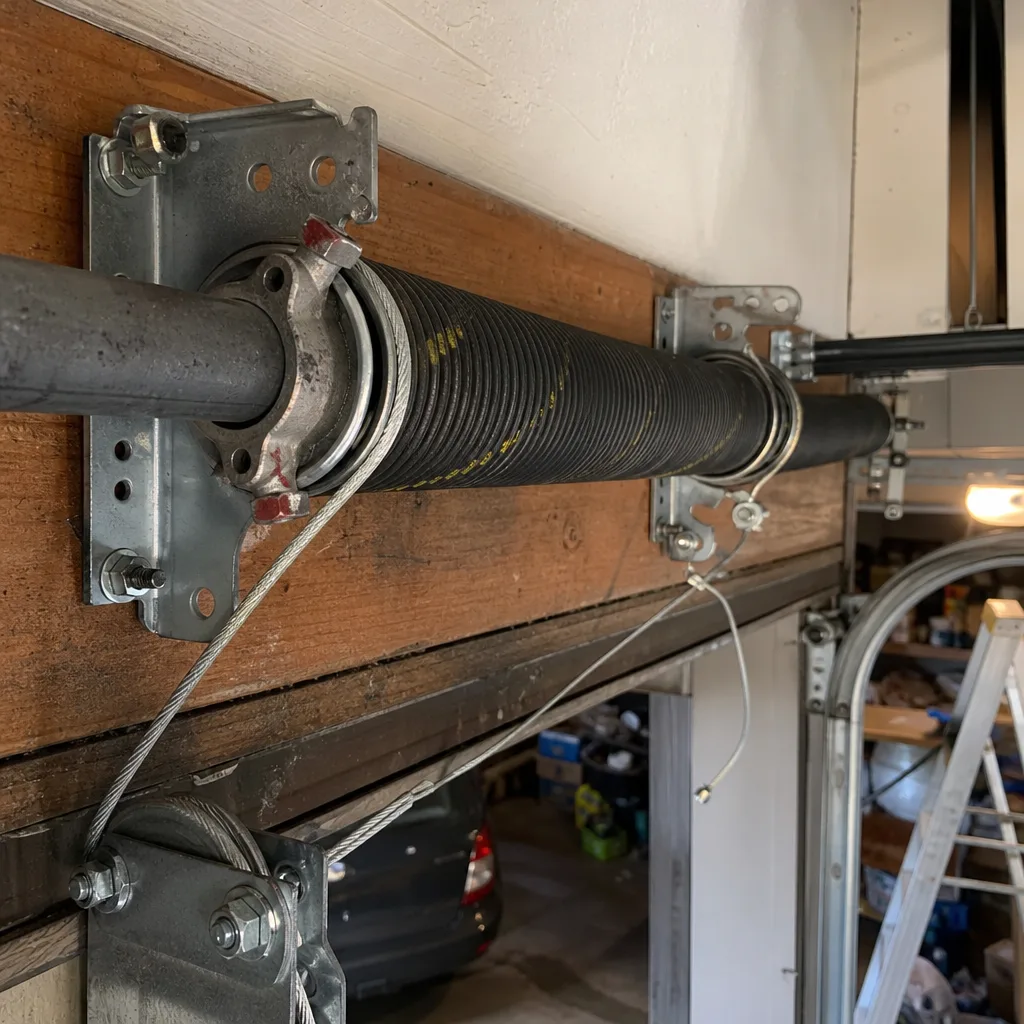
Last updated November 22, 2026
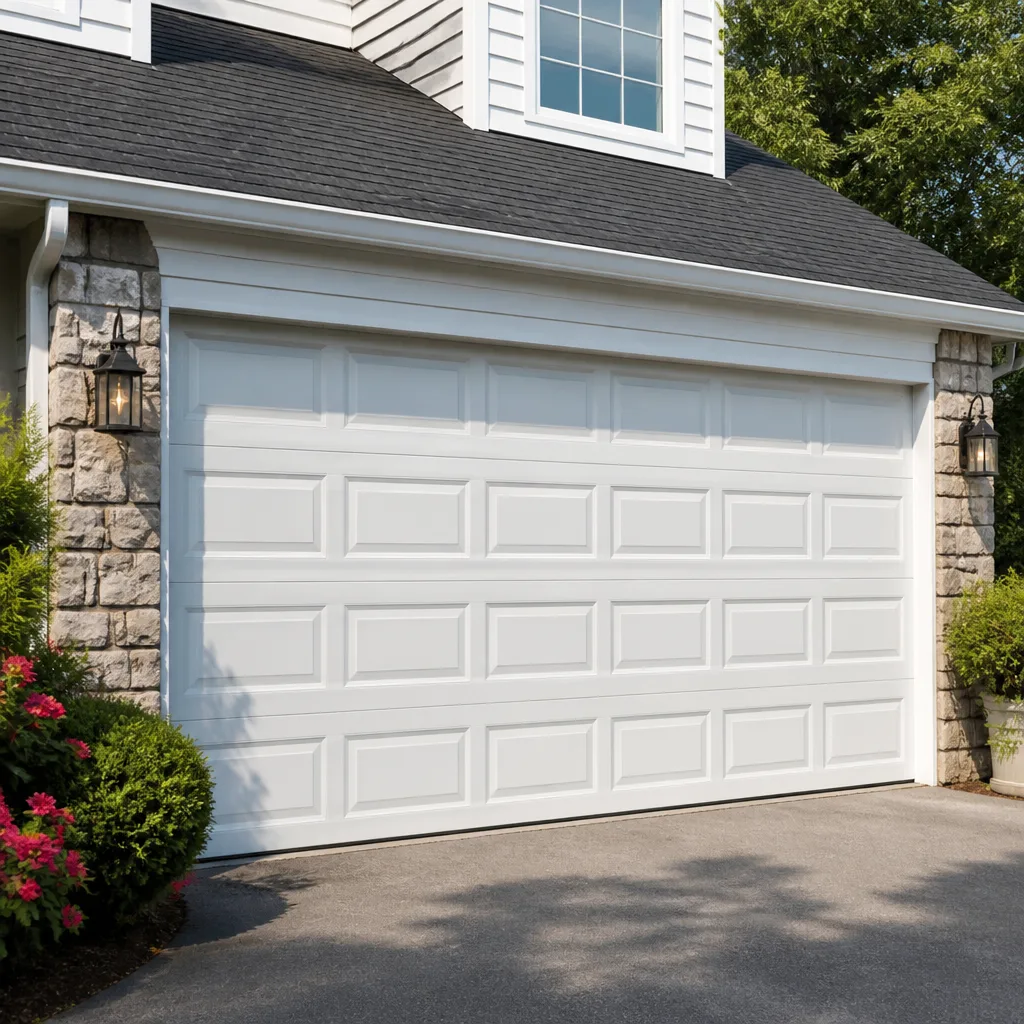 Raised-panel steel
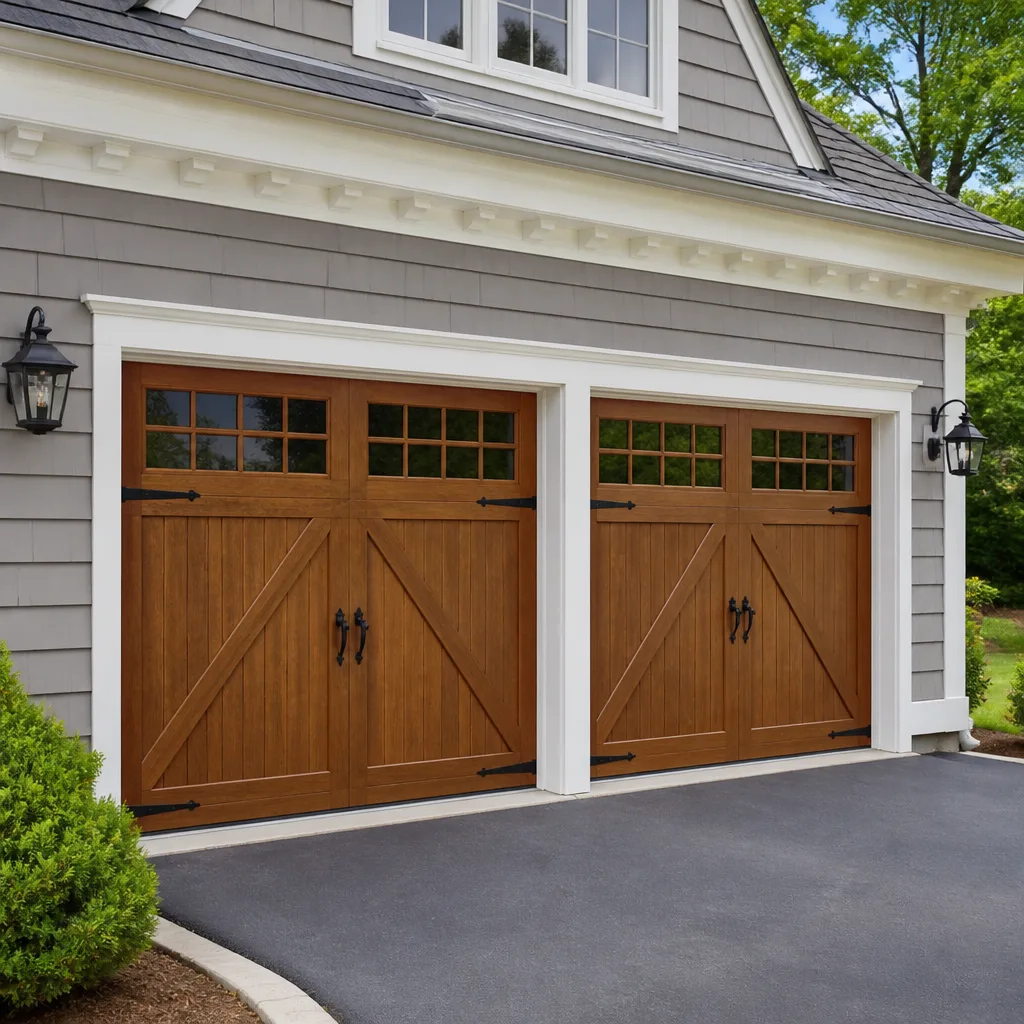 Carriage house
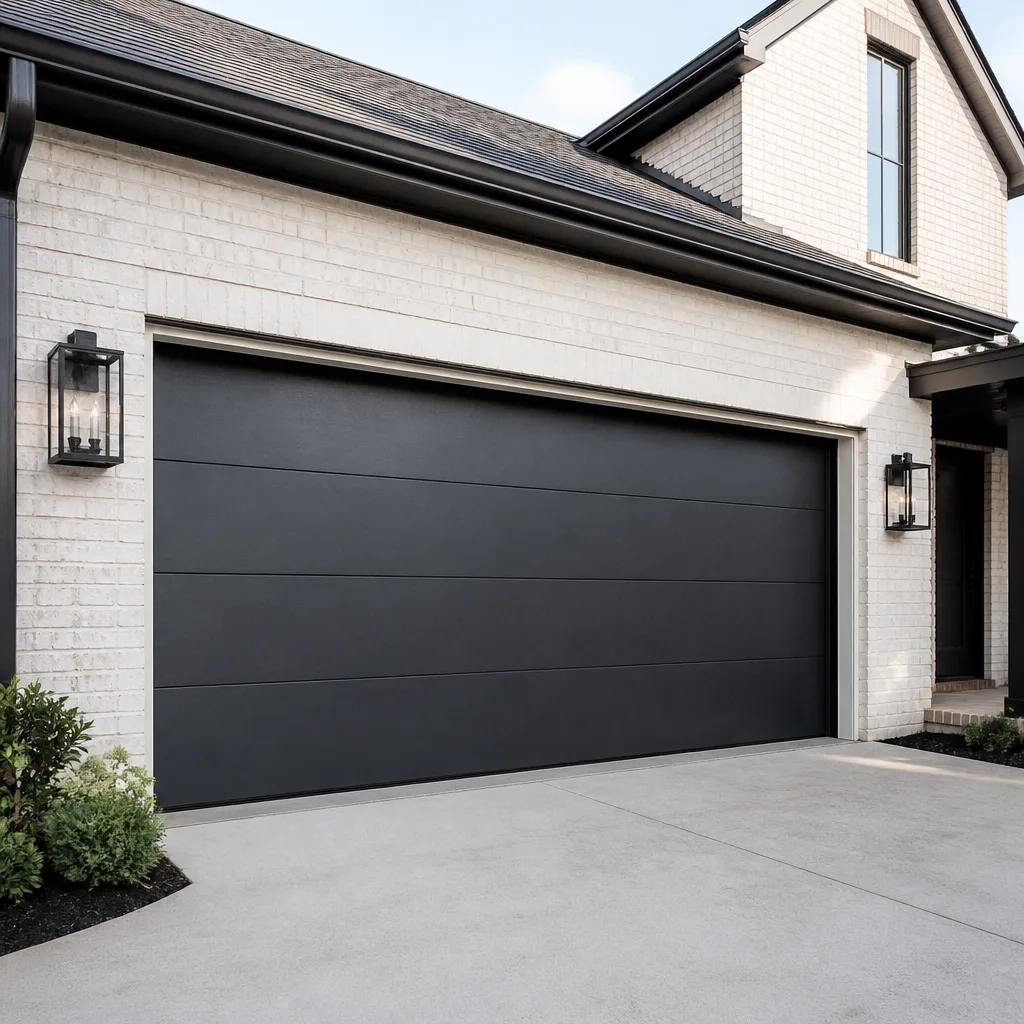 Modern flush
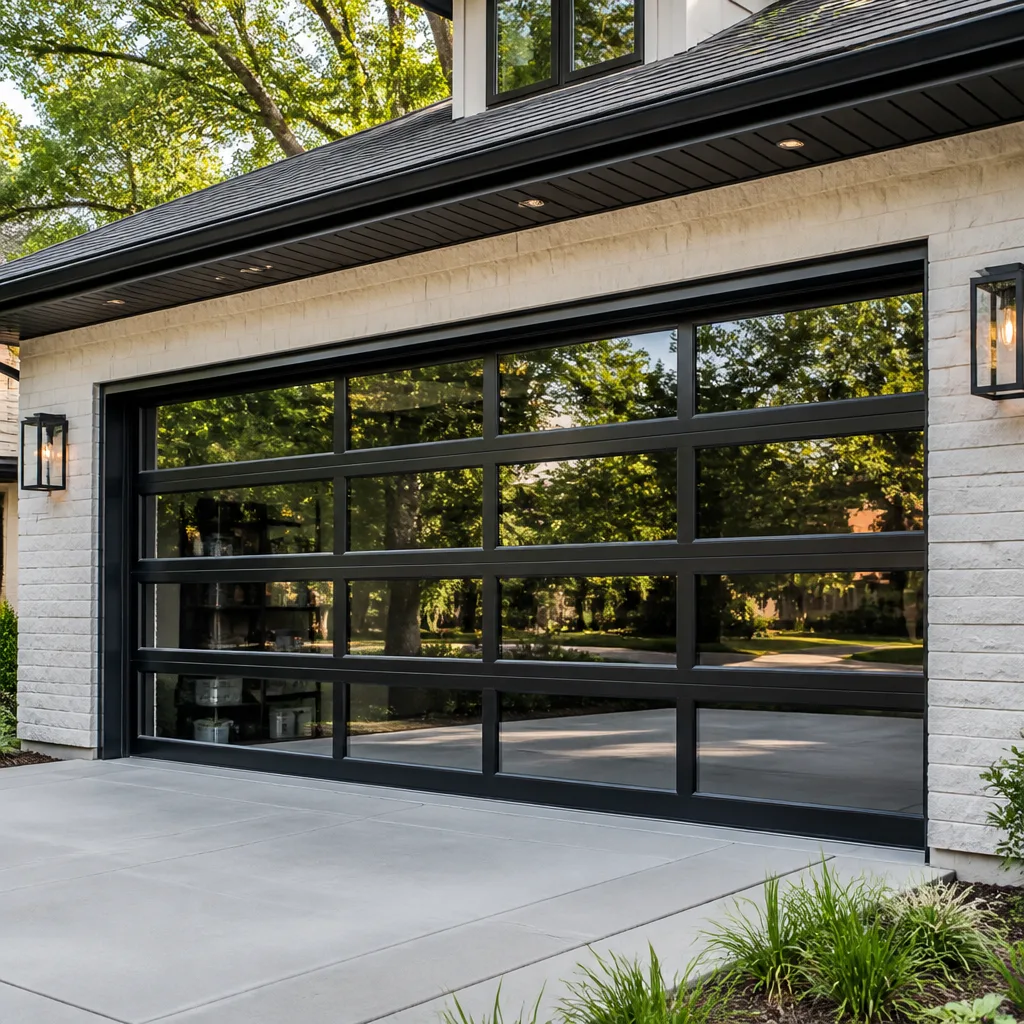 Full-view glass
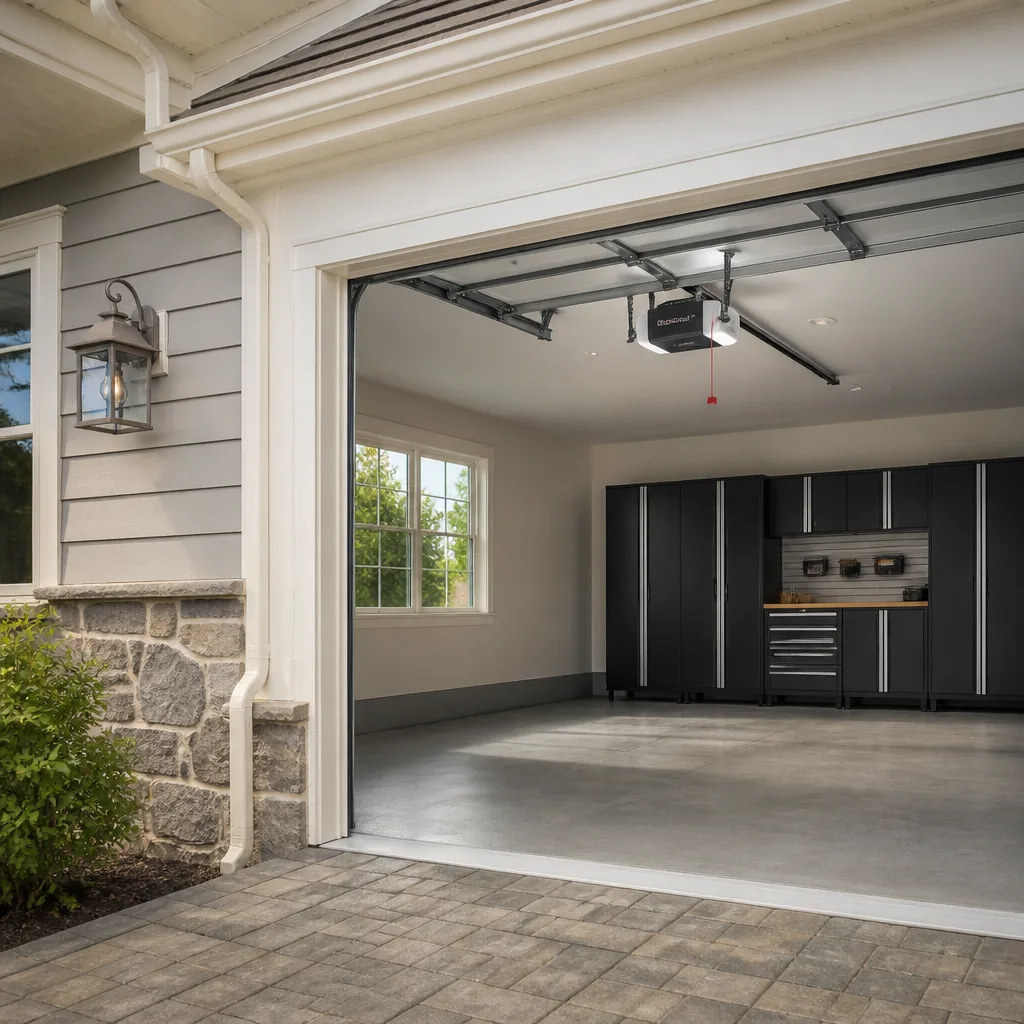 LiftMaster openers
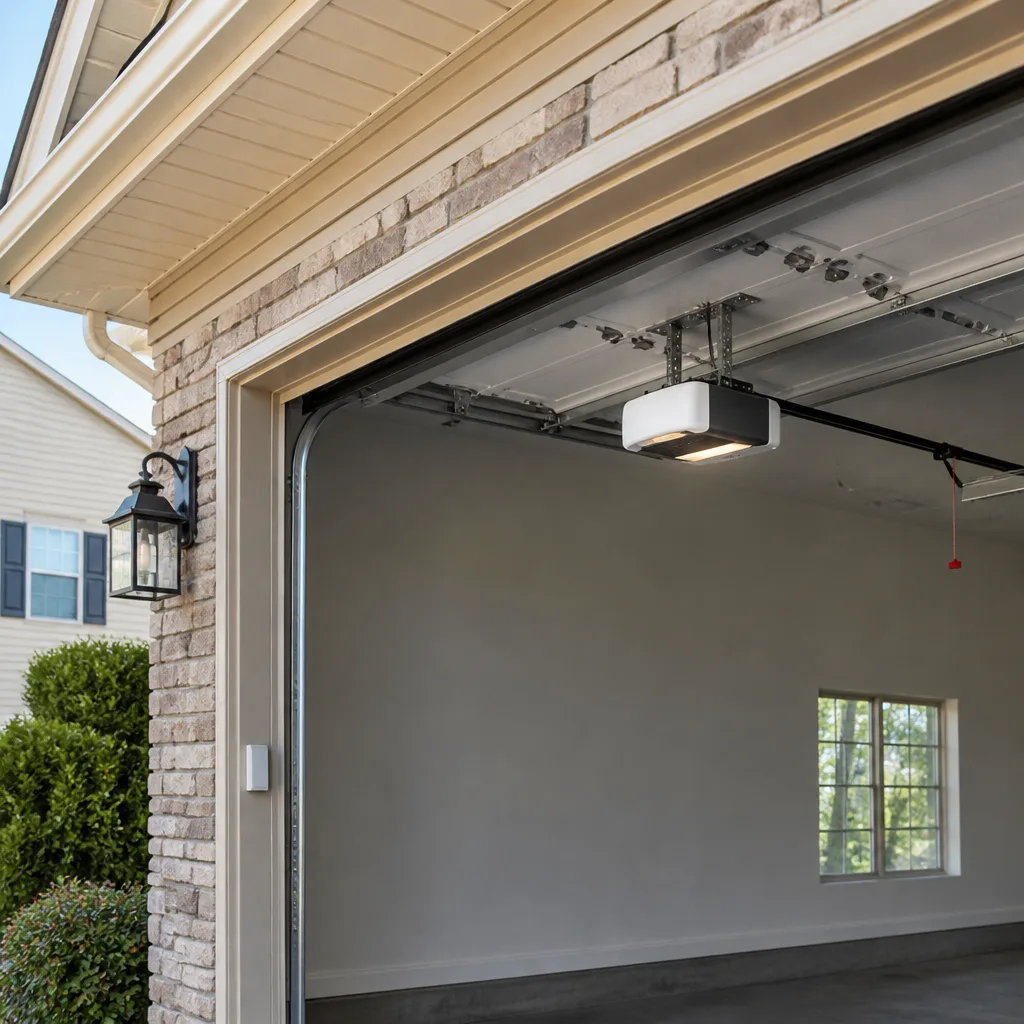 Chamberlain openers
Full 25-point door and opener safety check with every visit - springs, cables, rollers, tracks, and your LiftMaster or Chamberlain opener included
You get a price before we start. It does not change when the pro arrives.
Get your free estimateSeasonal Garage Door Care for Apple Valley: Year-Round Homeowner’s Guide
Most homeowners in Apple Valley treat garage door maintenance as a fall chore: rake the leaves, drain the sprinklers, call it done. The trouble is that spring, not winter, is when garage door springs fail hardest in Minnesota. The metal doesn’t snap from sustained cold; it snaps when March swings from a -10°F night to a 50°F afternoon and back again, working the steel through thousands of expansion and contraction cycles. This guide breaks the Apple Valley year into four maintenance windows, each tied to the failures that actually show up in that season. You’ll learn what to inspect, what to leave to a technician, and how to catch most problems before they leave your door stuck open.
Quick Answer
Seasonal garage door care in Apple Valley means four checks a year: inspect springs and cables after the winter thaw (March-May), check track alignment and wood panels once the ground settles (June-August), replace weatherseals before the first hard freeze (September-November), and switch to a low-temperature lubricant for deep winter (December-February). Springs, cables, and any high-tension component should be handled by a trained technician, not a homeowner with a wrench.
Styles & brands we work with
- Raised-panel steel
- Carriage house
- Modern flush
- Full-view glass
- LiftMaster openers
- Chamberlain openers
Table of Contents
- Spring (March-May): The Post-Winter Spring Inspection
- Summer (June-August): Frost Heave Settling and Humidity
- Fall (September-November): Weatherseals and Freeze Prep
- Winter (December-February): Cold-Weather Lubrication
- Frost Heave vs. Hardware Wear: How to Tell Them Apart
- The Monthly Ten-Minute Check
- Match the Care to Your Brand
Spring (March-May): The Post-Winter Spring Inspection
Apple Valley sits in a climate where the swinging spring thermometer does more damage to torsion and extension springs than January ever does. A spring holds its tension through a fixed number of cycle openings and closings, but rapid temperature change hastens metal fatigue on the coil. The cycles behind that failure mode are the ones you can’t see, so the practical answer is inspection, not prediction. Every spring should be checked once the thaw settles.
What a post-winter inspection looks for:
- Visible gaps in the coil. A torsion spring that has broken cleanly shows a small space between the winding coils. That’s a snapped spring, not a spring that needs adjusting.
- Stretched extension springs. Any extension spring that hangs longer than its twin has lost tension and needs replacement as a matched pair.
- Cable condition. Frayed strands or a cable hanging slack from its drum is a safety failure waiting to happen.
- Door balance. Disconnect the opener and lift the door halfway. A balanced door stays put. One that drops or springs up has a tension problem.
This is the season to know one thing firmly: torsion and extension springs are under extreme tension and can cause serious injury if handled wrong. Garage door springs are the most dangerous component in the system, and this is not a DIY job. A trained technician uses proper winding bars and knows how to release tension safely. If you suspect a tension problem after a hard winter, our garage door spring repair covers the diagnosis and the matched-pair replacement most Apple Valley systems need.
Summer (June-August): Frost Heave Settling and Humidity
Frost heave is the soil movement that pushes up under a driveway slab during freeze-thaw cycles, and in Apple Valley it’s the quiet culprit behind a lot of summer garage door trouble. As the ground stabilizes in June and July, the concrete slab and the posts that hold your door tracks can settle unevenly. The result is a track that looks fine in April and grinds by July. Humidity comes with it; wood door panels absorb moisture and swell slightly, which can change the fit inside the frame.
What to check once the ground settles:
- Plumb the vertical tracks. Hold a level against each vertical track. A track that has shifted out of plumb causes the door to bind or rub a roller against the rail.
- Look for a gap at the bottom corners. If the door sits unevenly across the opening, one side of the threshold has likely settled.
- Inspect wood panels for swelling. On a wood door, look for panels that drag on the frame or show a rough, raised grain. A penetrating stain reseal before the fall protects against the next round of moisture.
- Wipe the tracks clean. Summer dust and grit collect in the rails. A dry rag and a light spray of silicone lubricant keeps rollers moving smoothly.
You can straighten a slightly loose track bracket with a socket wrench, but a track that’s bent, kinked, or badly out of line needs a technician’s eye. Call for garage door repair if the door binds or the track has visibly moved; forcing it just wears the rollers and the opener motor.
Fall (September-November): Weatherseals and Freeze Prep
Fall is the window to replace weatherseals, and timing matters more in Apple Valley than in milder climates. The bottom seal and the perimeter seals keep cold air, snow, and small animals out of the garage. Once the first hard freeze locks the seal to the concrete, replacing it becomes a job for spring. Get it done before the ground hardens. On the bottom seal, the goal is a firm, even compression against the floor with no daylight showing beneath the door when it’s closed.
The fall checklist:
- Bottom seal. Run your hand along the bottom edge when the door is closed. A seal that’s cracked, torn, or lying flat against the threshold is worn out. A new one should touch the floor across the full width of the opening.
- Perimeter seals. Check the sides and top for gaps that let cold air in. These are a common source of a drafty garage and ice build-up along the interior floor.
- Rollers and hinges. A drop of lubricant on each hinge and roller stem now prevents a stiff door in January.
- Opener force settings. A door that runs harder in the cold can trip the opener’s safety reverse. Have the opener’s force and travel limits checked before the freeze so it doesn’t refuse to close on a cold morning.
- Photo-eye alignment. Clear any debris from the safety sensors at the base of the tracks and confirm the indicator light is solid.
A drafty garage makes the whole house work harder in winter, and a worn seal is the first place the cold gets in. Fall is also the natural time to book a new door if yours is on its last legs, since installation work is measured and scheduled rather than rushed, and pricing starts with a free measure and a written estimate. Our Garage Door Repair Apple Valley covers the full range from seal replacement to new door installation.
Winter (December-February): Cold-Weather Lubrication
Standard garage door lubricants thicken and lose viscosity below -20°F, which is a temperature Apple Valley reaches in a typical January. When the lubricant turns to a gummy paste, the door drags, the opener strains, and the motor works harder than it should every time you open or close. The fix is choosing a product built for the cold.
What to use and where:
- Low-temperature silicone or lithium-complex lubricant. These hold their consistency at Minnesota winter temperatures where general-purpose oil or grease does not. Look for a product labeled for cold-weather or low-temperature use.
- Rollers and hinges. Apply a light coat to each roller stem and hinge pin. Avoid spraying the tracks themselves; a clean, dry track works better than a coated one, since heavy grease attracts grit that turns to a frozen slurry.
- Torsion springs and cables. A light film on these surfaces helps, but don’t handle them. Leave spring contact to a technician.
- Opener drive. Check the opener’s manual for the correct lubrication for the drive screw, chain, or belt, and use only that product.
Cold also means the door’s metal contracts, so a door that ran clean in October can sound different in January. If your door shudders, the opener grinds, or a garage door opener repair is overdue, winter is not a season to wait it out. A door that won’t open traps your car and leaves the house exposed. We answer 24/7. Fast dispatch from 7am to 7pm, Sunday through Friday.
Frost Heave vs. Hardware Wear: How to Tell Them Apart
Frost heave-related track misalignment and ordinary hardware wear can look identical on a garage door in Apple Valley, but they need different fixes. If you misdiagnose one as the other, you’ll either replace hardware that was fine or leave a misaligned track to grind away your rollers. The key is timing and the pattern of the symptoms.
Here’s how to tell them apart:
- Watch the calendar. Hardware wear is gradual and shows up any time of year. Frost heave symptoms tend to appear or worsen in spring and summer, when the ground is shifting.
- Check for a localized change. A bent hinge, a flat spot on a roller, or a fraying cable shows up as a single point of trouble. Frost heave tends to affect one full side of the door as the slab or a post shifts.
- Look at the gap. A door that sits unevenly at the threshold, with a gap on one side, points to a track or slab that has moved. A door that sits even but drags points to hardware wear.
- Sound test. A grinding or scraping sound along one rail suggests a misaligned track. A squeak or rattle points to dry or worn hardware.
- Check the track for plumb. A level against the vertical track settles it. Out of plumb means the track has shifted.
If you’re not sure which you’re looking at, that’s the moment to call. Our technicians have up to 15 years of experience reading exactly these symptoms, and we’d rather diagnose the door once than replace parts twice.
The Monthly Ten-Minute Check
Four seasonal deep checks are the backbone of care, but a ten-minute walk-around once a month catches most problems early. It’s a simple routine that doesn’t require tools.
- Open and close the door once. Listen for new sounds. Grinding, squealing, or thumping are worth a look.
- Check the balance. Pull the emergency release, lift the door halfway, and let go. A balanced door holds its position.
- Test the safety reverse. Place a small object under the door and close it. The door should reverse on contact.
- Clear the tracks. Look for grit, leaves, or ice in the rails, and wipe them clean.
- Eyeball the springs and cables. Look for gaps in the coil, stretched springs, or slack cable. Never touch them; just observe.
This routine takes minutes and tells you when to stop and call. A monthly check that flags a problem early is far cheaper than a door that fails on a subzero morning with the car inside.
Match the Care to Your Brand
Garage doors aren’t interchangeable, and the way you service yours depends on what’s on it. We work on your brand, and we know the systems that show up in Apple Valley homes. A Wayne Dalton door has its own panel and hinge design, so the weatherseal and hardware that fit it aren’t the same as the parts for a Raynor system. A LiftMaster or Craftsman opener has different force and travel settings from a Genie, and setting those correctly for Minnesota cold is what keeps the motor from tripping the reverse on a cold morning.
Our technicians cover the systems you’re most likely to own: LiftMaster, Chamberlain, Genie, Clopay, Amarr, Wayne Dalton, Craftsman, and Raynor. That range matters when you’re calling about a problem because the person on the line can match the diagnosis to the equipment. It also matters when you’re ready for a new door, since we install across those brands and can help you pick the right one. From a single broken spring to a full door replacement, the right diagnosis comes before the first repair.
Common Mistakes to Avoid
- Assuming winter is the worst season for springs. In Apple Valley, the March swing between subzero nights and warm afternoons cycles the metal hardest. Inspect springs in spring, not just in fall.
- Replacing one spring when the pair should go together. Matched springs wear at the same rate. Replacing one leaves the door unbalanced and the new spring working against a tired twin.
- Using a general-purpose lubricant in deep winter. A standard oil or grease turns gummy below -20°F and makes the door drag. Use a low-temperature product built for the cold.
- Forcing a binding door through a misaligned track. If the door grinds or binds, stop. Forcing it wears the rollers, the cables, and the opener, and the track still needs fixing.
- Replacing the weatherseal after the freeze. A new seal has to compress evenly against the floor. Once the concrete freezes and the seal stiffens, the work is harder and the seal seats less cleanly. Do it in the fall.
- Treating frost heave as ordinary wear. A track that’s out of plumb because the ground moved needs the track realigned, not just new rollers. Diagnosing the cause first saves money.
- Handling torsion springs yourself. The springs are under extreme tension. Winding or unwinding them without proper bars is a serious injury risk. Leave spring work to a trained technician.
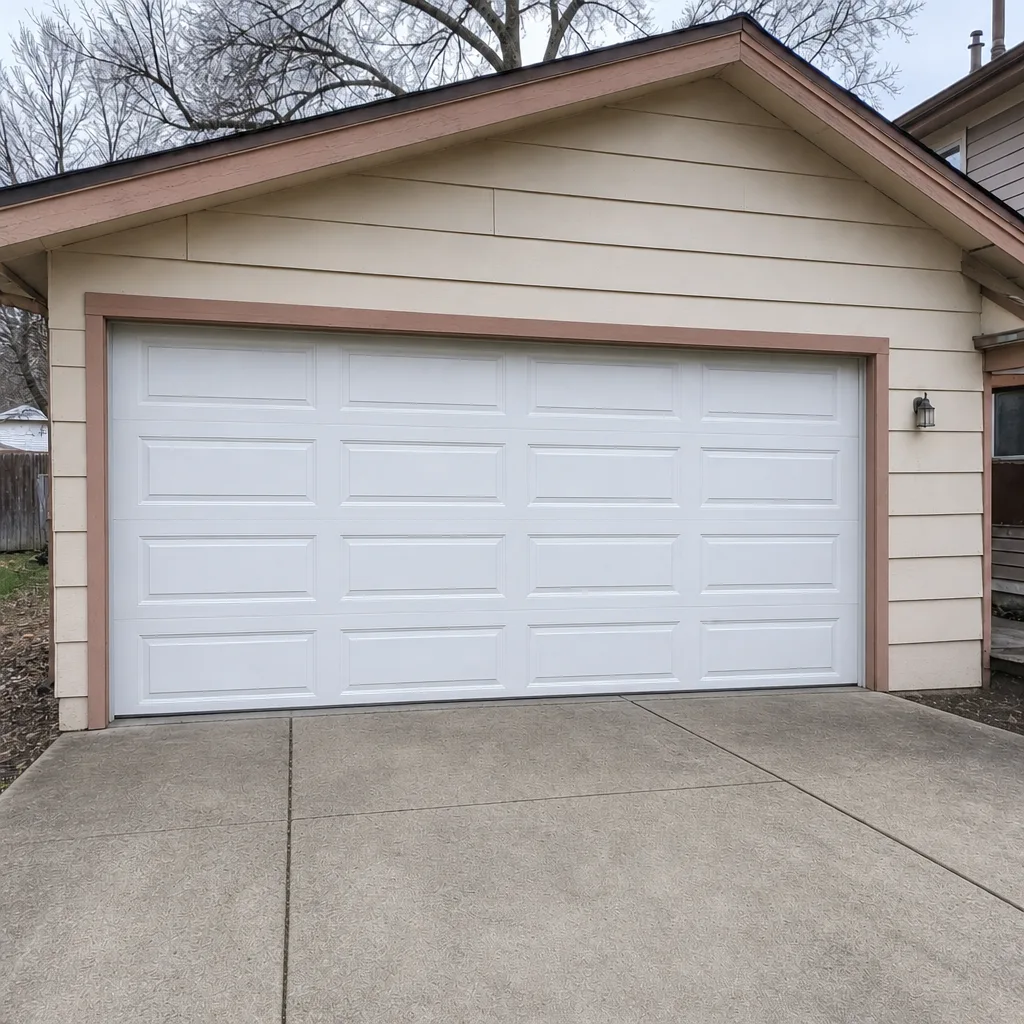
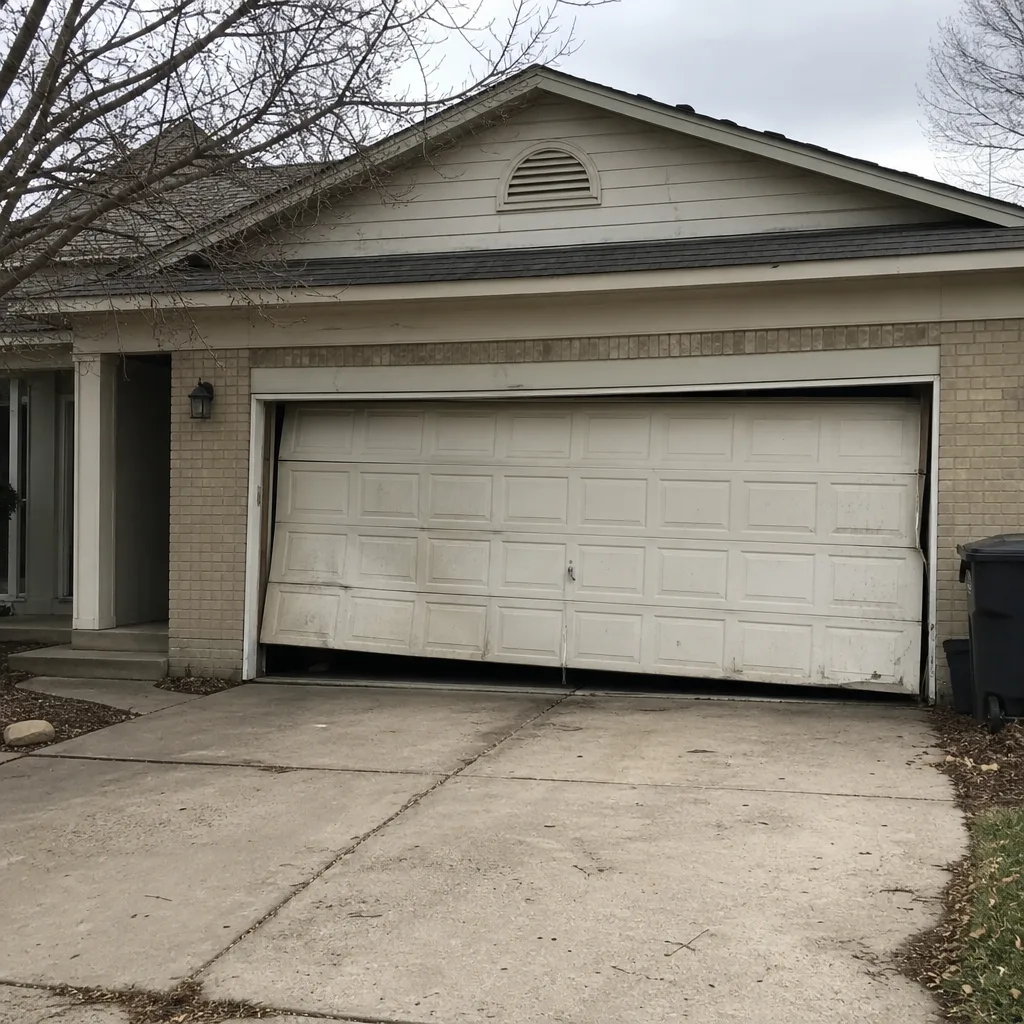
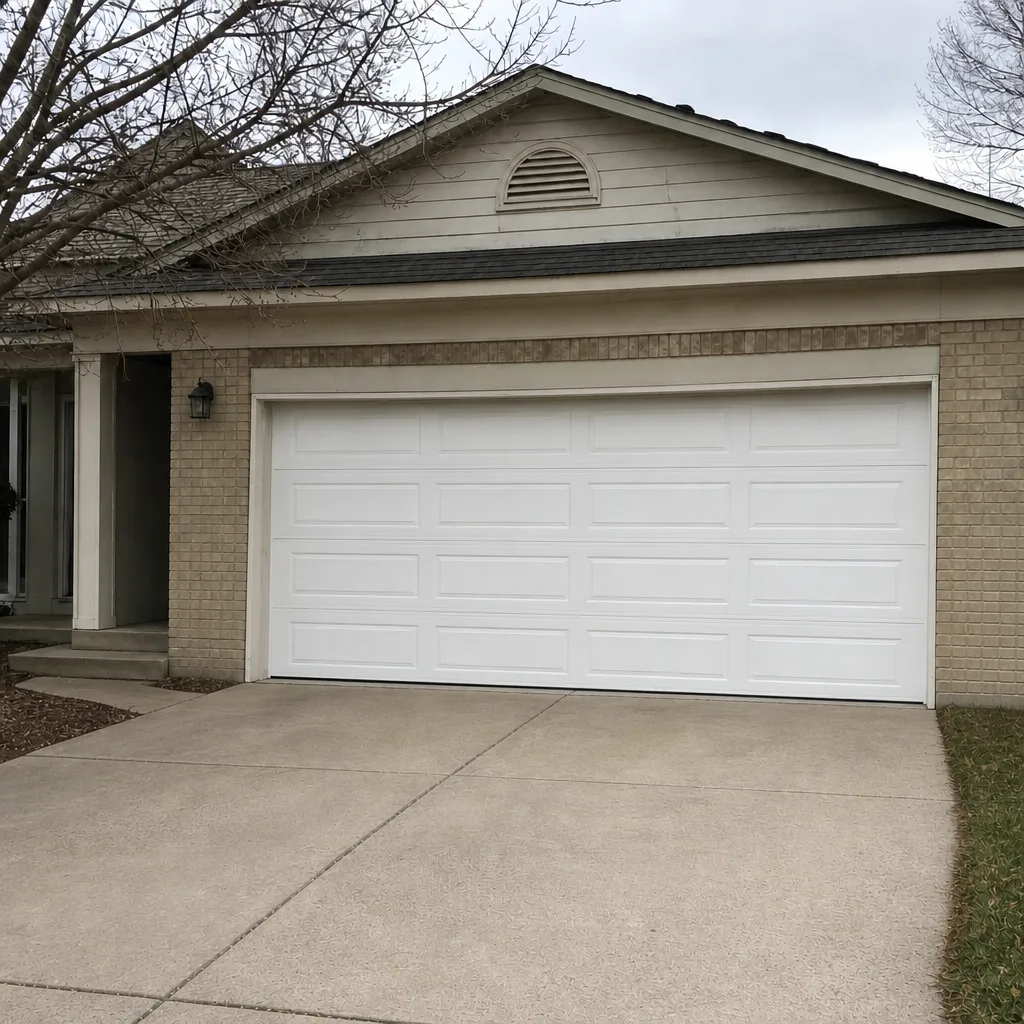
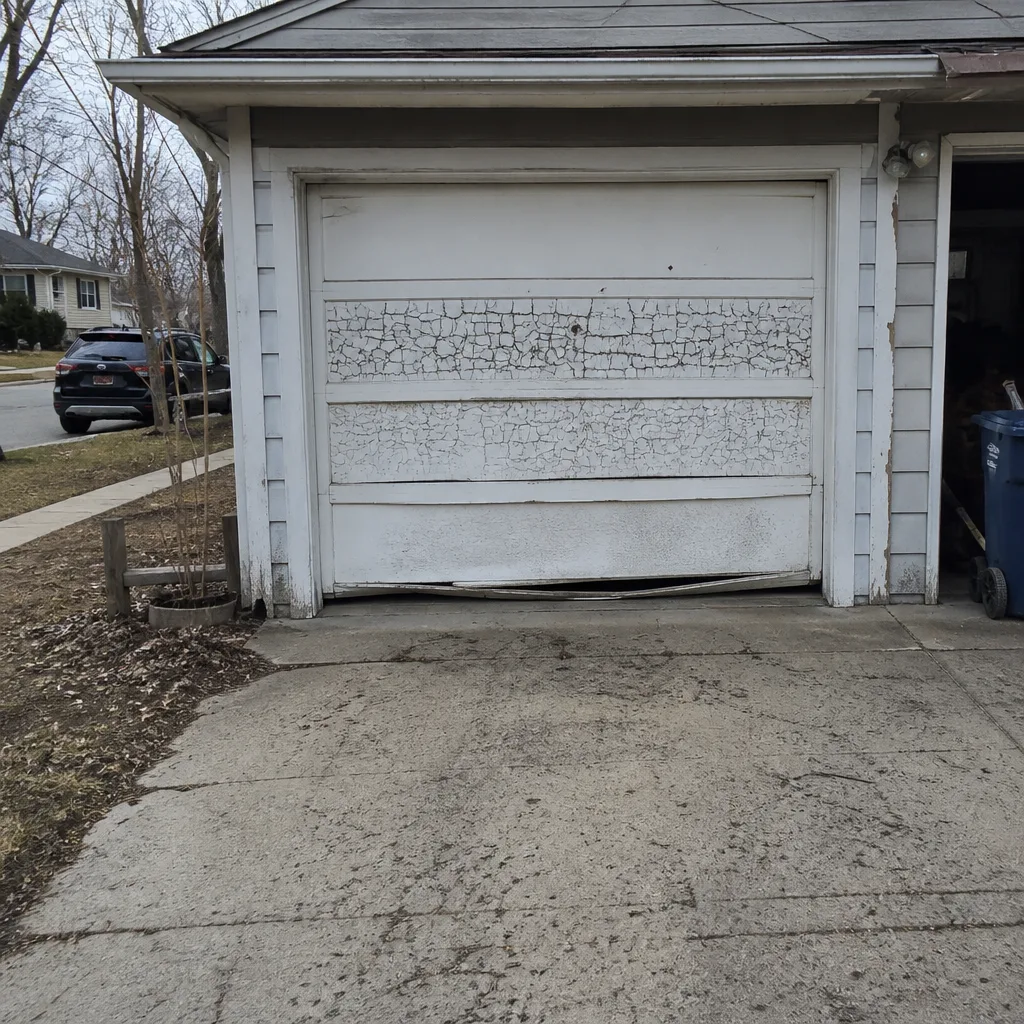
See the difference
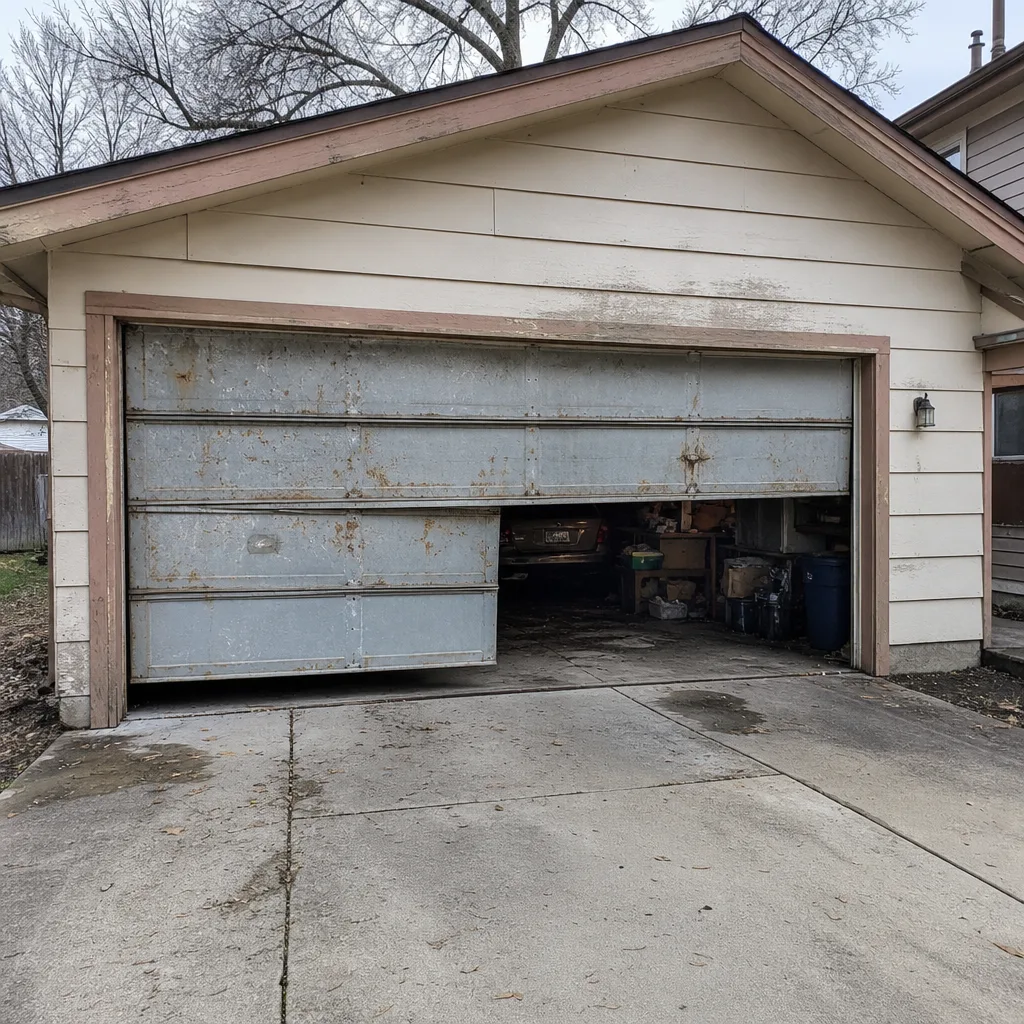 Before
 After
 Before
 After
 Before
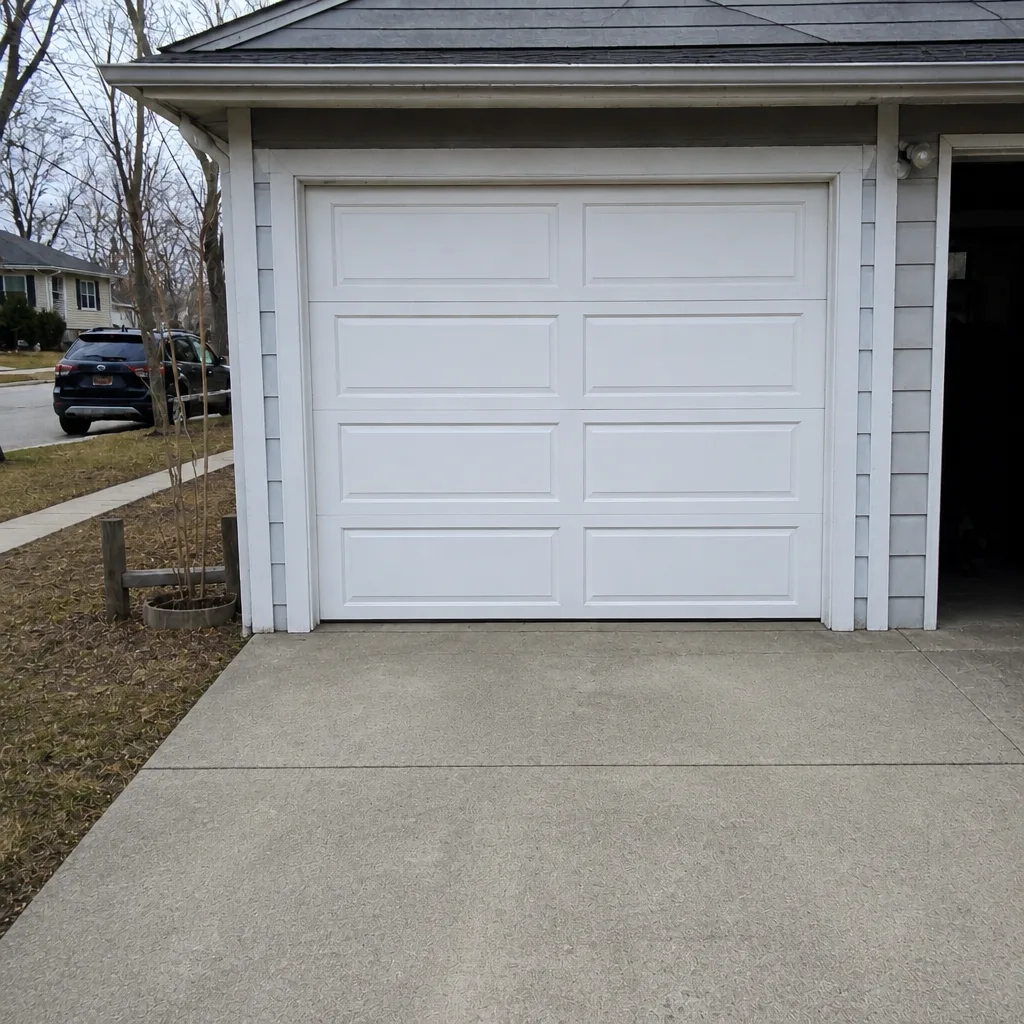 After
When to Call a Professional
Some garage door problems are a technician’s job from the first symptom. Call a professional when a spring has visibly broken, when a cable is slack or frayed, when the door binds in the tracks, when the opener struggles or reverses without reason, or when a door won’t open or close and the house is left exposed. If you’re unsure which component is failing, that’s also a reason to call: the right diagnosis before the first repair saves you from replacing parts that weren’t the problem. Garage Door Repair Apple Valley offers free estimates in Apple Valley. Call (844) 623-0656; the price is quoted and agreed before any work starts.
Frequently Asked Questions
Schedule the main inspection in spring, right after the thaw, because that’s when post-winter spring problems show up. A second check in fall, before the first hard freeze, catches weatherseal and lubrication issues before winter. A monthly ten-minute walk-around fills in the rest of the year. Call (844) 623-0656 for an exact quote if a check turns up a problem; estimates are free.
Yes. Spring’s rapid temperature swings from subzero nights to warm afternoons fatigue the metal faster than sustained winter cold. That’s why the post-winter inspection matters most. If you see a gap in the coil or a spring that looks stretched, don’t touch it; call for a trained technician.
Use a low-temperature silicone or lithium-complex lubricant labeled for cold-weather use. Standard oils and greases thicken below -20°F and make the door drag. Apply it sparingly to hinges and roller stems, and leave the springs and cables to a technician.
A bottom seal can often be replaced by a careful homeowner, but it’s easier and seats better when done before the ground freezes. Perimeter seals and any seal on a wood door are best measured and fitted by a technician. Do the job in the fall, before the concrete hardens, so the new seal compresses evenly.
Frost heave symptoms tend to appear in spring and summer and affect one full side of the door, with an uneven gap at the threshold. Hardware wear is gradual, shows up any time of year, and points to a single spot. If you can’t tell, call and we’ll diagnose it; guessing wrong means replacing parts that weren’t the problem.
Yes, same-day service is available for urgent failures. A door that won’t open or close leaves your house unsecured or your car trapped, and that’s exactly the kind of call we handle. Call (844) 623-0656. We answer 24/7. Fast dispatch from 7am to 7pm, Sunday through Friday.
The Bottom Line
Garage door care in Apple Valley is a four-season job, and the seasons carry different risks. Spring’s temperature swings fatigue springs, summer’s settling ground misaligns tracks, fall is when weatherseals need replacing before the freeze, and winter demands a low-temperature lubricant. The most useful habit is the one that costs ten minutes a month: open and close the door, listen, check the balance, and look before you touch. Springs and cables are a technician’s job every time. Everything else you can mostly catch early. From a single broken spring to a full door replacement, we’re here when you need us.
Contact Us
When your seasonal check turns up something you can’t handle, call Garage Door Repair Apple Valley at (844) 623-0656 for a free estimate in Apple Valley. We answer 24/7, and fast dispatch from 7am to 7pm, Sunday through Friday, gets a technician out when the door won’t wait. The estimate is free and the price is quoted and agreed before any work starts. The local pro we connect you with is licensed and insured as their state requires.
Written by the team at Garage Door Repair Apple Valley.